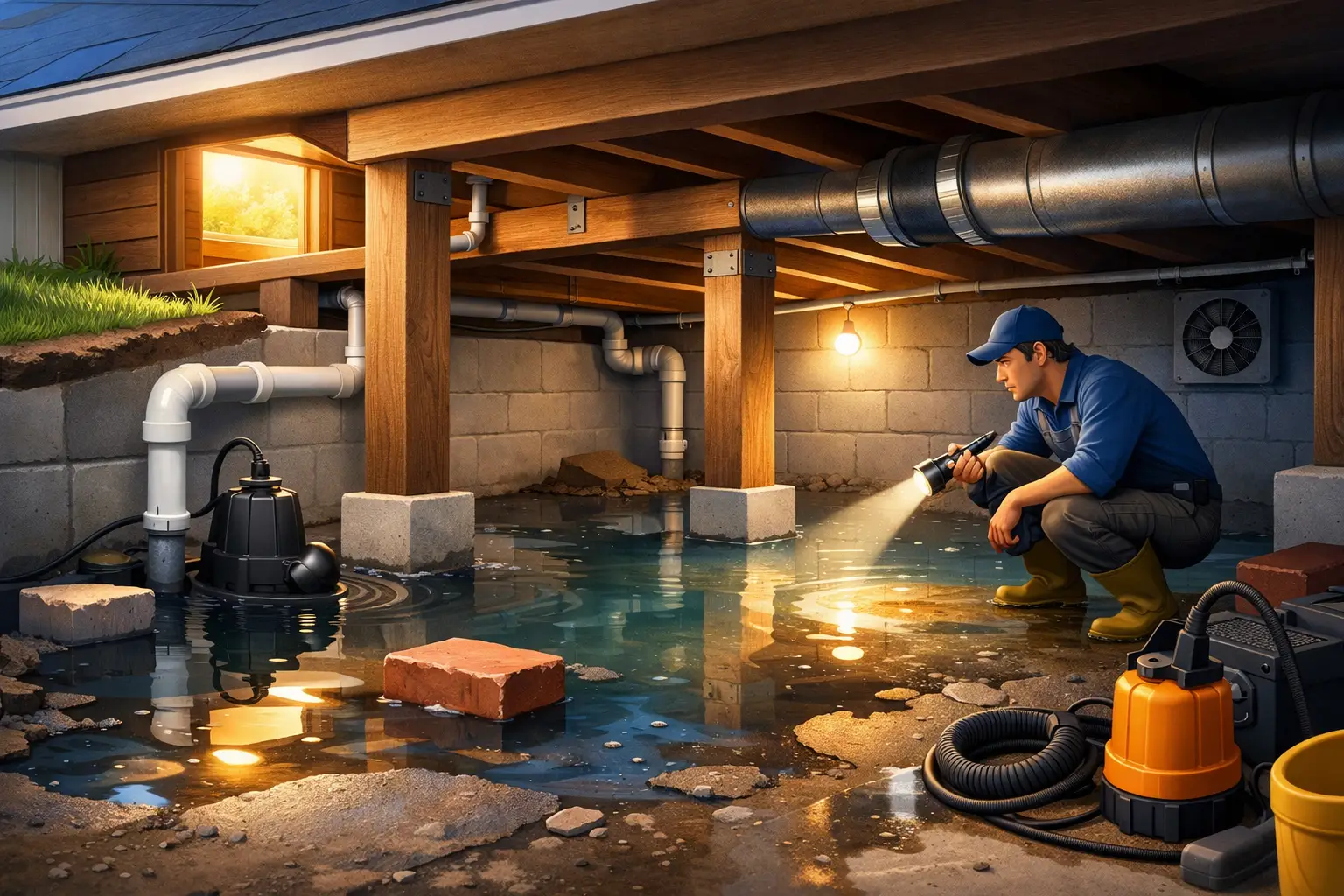
A crawl space is designed to stay dry, even when the ground outside is wet. Standing water in crawl space areas is not a normal seasonal nuisance or something to ignore until the next renovation. Water beneath your home can weaken wood framing, raise indoor humidity, invite mold growth, and turn a drainage issue into an expensive structural repair.
The good news is that most crawl space water problems have a clear source and a permanent solution. The key is identifying where the water is coming from before covering it up, pumping it out, or applying a product that only treats the symptom.
Why Standing Water in a Crawl Space Is Urgent
Crawl spaces are out of sight, which makes them easy to overlook. But the floor joists, beams, support posts, insulation, and subfloor under your home are all affected by the conditions there. When water stays in the space, moisture evaporates upward into the home and is absorbed by exposed wood.
Over time, consistently damp framing can develop wood rot and fungal decay. Metal fasteners and connectors may corrode. Insulation can sag or become contaminated, and floors above may begin to feel soft, uneven, or bouncy. You may also notice musty odors, condensation on windows, higher indoor humidity, or doors that suddenly stick.
Water does not need to be several inches deep to cause damage. A shallow pool that returns after every rain is enough to keep the crawl space damp for long periods. In Virginia, Maryland, and Washington, DC-area homes, humid summers and heavy seasonal rainfall can make that cycle especially damaging.
What Causes Water Under a Home?
The visible water is only one part of the problem. A proper inspection traces it to its entry point and determines whether the issue is surface water, groundwater, plumbing, or a combination of conditions.
Poor exterior grading is a common cause. Soil should slope away from the foundation so rainwater moves away from the house. When landscaping settles, mulch builds up, or a patio directs runoff toward the home, water can collect along the foundation wall and find its way into the crawl space.
Gutters and downspouts are another frequent source. Overflowing gutters, disconnected downspouts, or extensions that discharge beside the foundation can send a surprising amount of water directly toward the crawl space. A single heavy storm may reveal a problem that has been building quietly for years.
High groundwater can also rise through the crawl space floor after extended rain. Homes built in low-lying areas or on dense clay soil may need an interior drainage system and sump pump to collect and remove that water reliably. In other cases, water is entering through foundation wall cracks, open utility penetrations, or gaps around crawl space vents and doors.
Do not overlook plumbing. A leaking supply line, drain line, water heater, or HVAC condensate line can create standing water even during dry weather. If water appears with no recent rain, or if it has a sewage odor or unusual color, the source may be inside the home rather than outside it.
What to Do First When You Find Water
Avoid rushing into the crawl space with a shop vacuum or pump. Water near electrical wiring, outlets, appliances, or a damaged electrical panel can be dangerous. If there is any concern about electrical contact, keep out of the area and call a qualified professional.
Once it is safe to assess the space, take a few practical steps:
- Photograph the water level, damp walls, wet insulation, and any visible damage before conditions change.
- Check whether recent rain, overflowing gutters, or a nearby downspout line up with the location of the water.
- Look for obvious plumbing leaks from above, but do not disturb damaged pipes or wet electrical components.
- Remove stored belongings from the crawl space if they can be moved safely, especially cardboard, fabric, and untreated wood.
If water is actively rising or approaching mechanical equipment, prompt pumping may be necessary. Still, removing the water alone does not fix the problem. A crawl space that is pumped dry without drainage improvements often fills again during the next storm.
How Professionals Diagnose the Real Source
A reliable solution begins with a full evaluation of the crawl space and the ground around the home. The inspection should account for water patterns, soil conditions, foundation wall condition, drainage paths, humidity levels, and the condition of the framing.
For example, water concentrated near one corner after rain may point to a gutter discharge or negative grading. Water spread across the entire crawl space floor may indicate rising groundwater or the need for an interior perimeter drainage system. Dampness without visible puddles can still be serious if humid outside air is entering through open vents and condensing on cool surfaces.
This is why a one-size-fits-all answer can create problems. Sealing foundation cracks may be appropriate when water is entering through cracks, but it will not solve groundwater pressure below the crawl space. A vapor barrier helps control ground moisture, but it cannot manage active water intrusion by itself. The right repair scope depends on the cause.
Permanent Repairs for Crawl Space Water Problems
A lasting crawl space waterproofing plan usually combines water management with moisture control. Exterior corrections may include regrading the soil, extending downspouts, repairing gutters, or redirecting surface runoff away from the house. These improvements reduce the volume of water reaching the foundation in the first place.
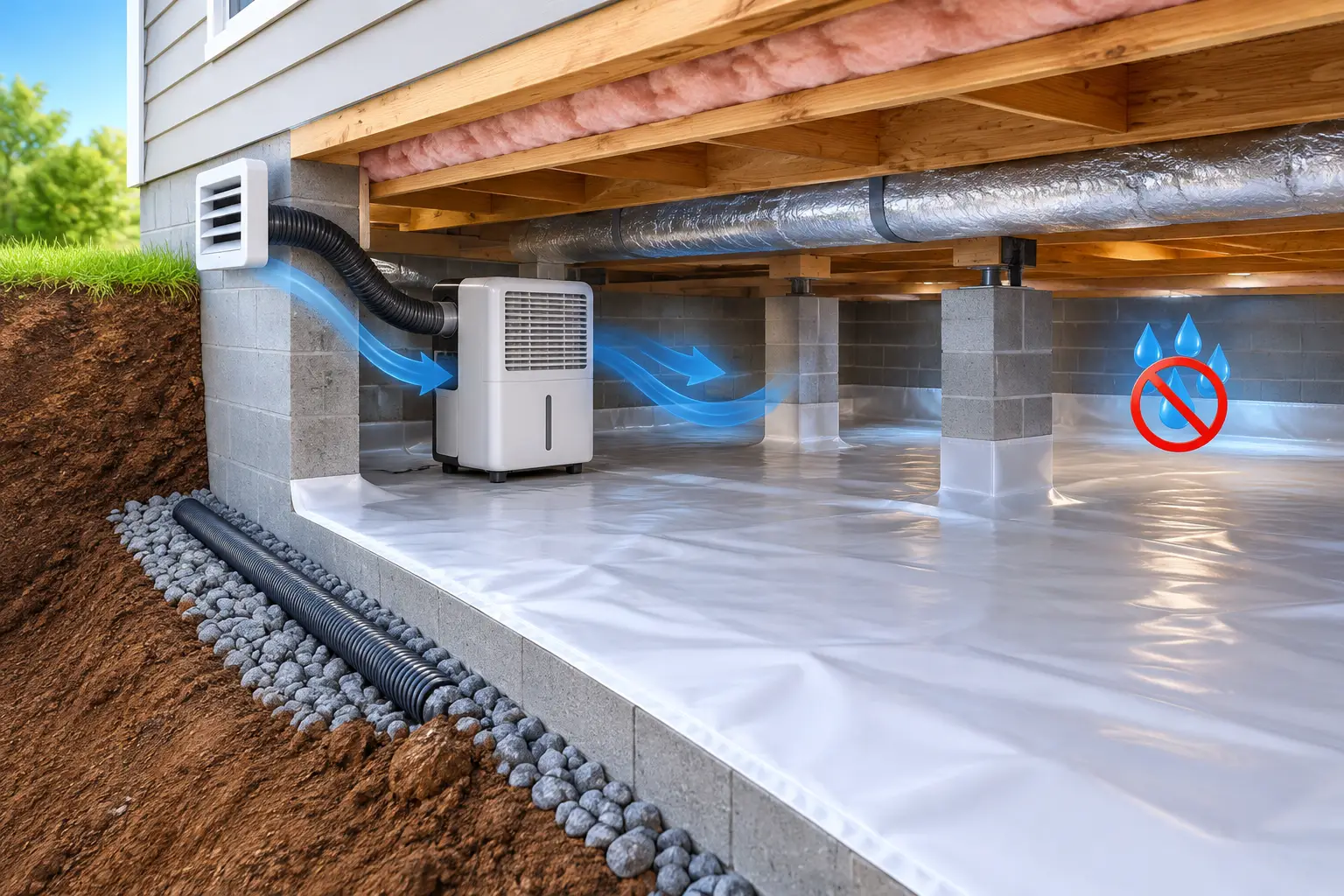
When water enters from below or through the crawl space perimeter, an interior drainage system can collect it and direct it to a sump basin. A properly sized sump pump then discharges the water safely away from the foundation. In homes where water intrusion is recurring or severe, a battery backup can provide protection during a storm-related power outage.
After active water is controlled, crawl space encapsulation can help stabilize the environment below the home. This typically involves a durable vapor barrier across the floor and walls, sealed openings where appropriate, and measures to manage humidity. Depending on the home, a dehumidifier may also be recommended to keep moisture levels under control.
Encapsulation is not a substitute for drainage. Covering standing water with a vapor barrier, or installing a barrier over saturated soil without correcting drainage, can trap moisture and hide a continuing problem. Permanent fixes manage the water first, then protect the crawl space from moisture vapor and humid air.
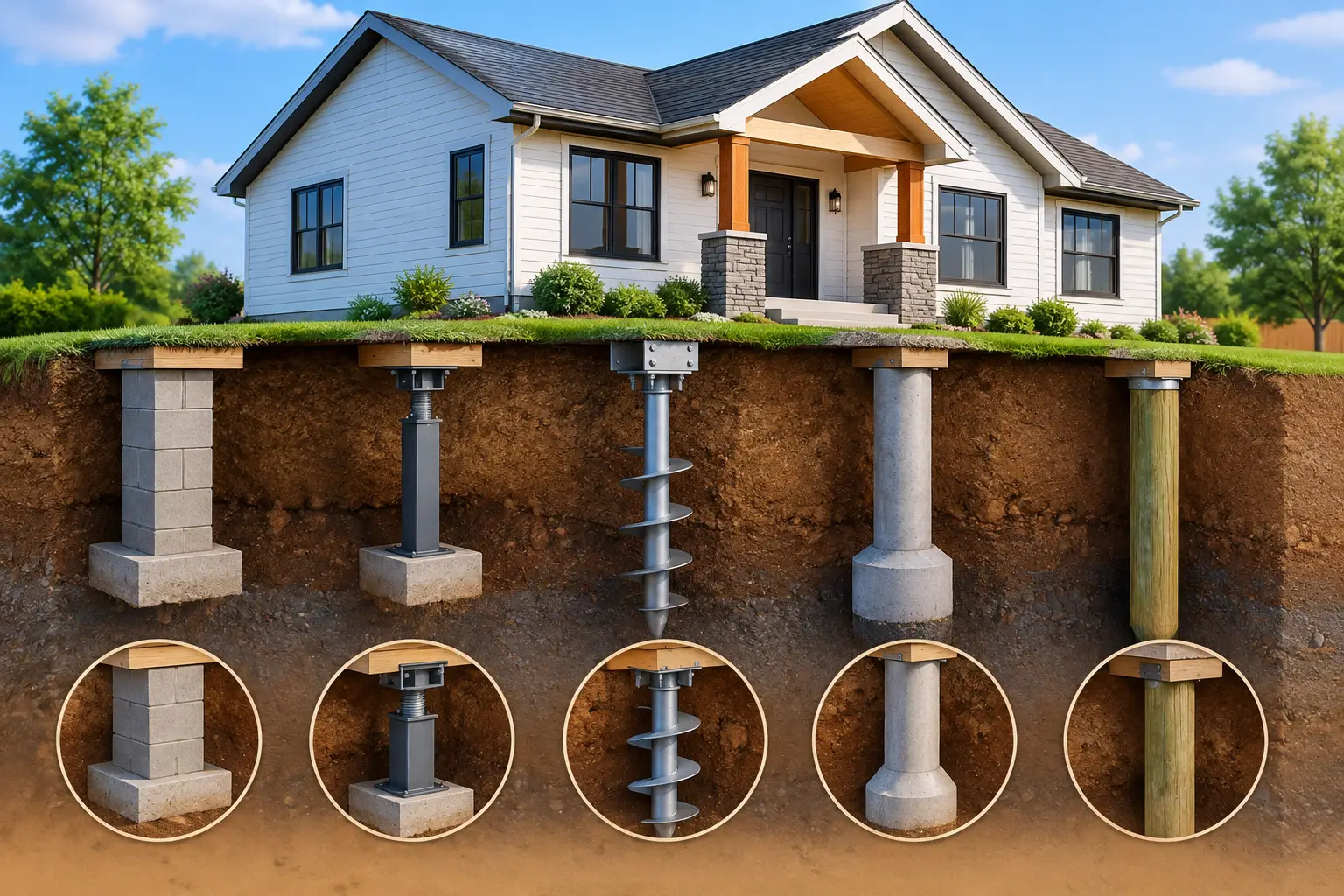
If an inspection finds wood rot, failing support posts, damaged beams, or sagging floor joists, those structural issues should be addressed as part of the repair plan. Waterproofing protects against future damage, but deteriorated framing may already need restoration to keep floors stable and the home properly supported.
Do You Need Mold Removal Too?
Not every damp crawl space requires extensive mold remediation, but visible fungal growth, strong odors, and soft or decayed wood deserve professional attention. The first priority is always moisture control. Cleaning or treating affected surfaces without stopping the water source can leave homeowners paying for the same work twice.
Wet insulation and heavily damaged vapor barriers often need removal because they can hold moisture against framing and reduce energy efficiency. Once the space is dry, repairs can be completed on clean, accessible surfaces and the new moisture-control system can perform as intended.
When to Schedule a Crawl Space Inspection
Call for an inspection promptly if standing water returns after rain, you see wet wood or rusted metal under the home, floors feel uneven, or the home has a persistent musty smell. It is also wise to have the crawl space checked before listing a home for sale or after a major storm, even if the water has already receded.
Foundation Works provides free, no-obligation evaluations that focus on the source of the problem, not a quick cosmetic patch. A clear diagnosis can distinguish a simple drainage correction from a condition that needs waterproofing, encapsulation, or structural repair.
Your crawl space may be hidden, but it is carrying the structure above it every day. Addressing water early protects the framing, the air inside your home, and the investment you have worked hard to build.