
A crack across a basement wall, a floor that slopes toward the center of the house, or water collecting in a crawlspace can make any homeowner worry. Knowing how to choose a foundation contractor starts with recognizing that the visible symptom is not always the actual problem. The right contractor investigates why the damage happened before recommending a repair.
Foundation work protects more than concrete and framing. It protects your family’s safety, your home’s value, and your ability to sell or refinance with confidence. This is not a project to award based on the lowest estimate or the fastest promise. Look for a contractor who can explain the cause, the repair method, and what will keep the issue from returning.
Start With a Thorough Inspection
A foundation contractor should not diagnose a structural problem from a few photos or offer a one-size-fits-all solution before seeing the property. A proper inspection takes time. The contractor should look at interior and exterior conditions, including foundation walls, floor framing, cracks, drainage patterns, gutters, downspouts, grading, basement moisture, and crawlspace conditions.
For example, a horizontal crack in a basement wall may point to outside soil pressure, but the repair plan can differ depending on the wall material, the amount of movement, groundwater conditions, and whether drainage is directing water toward the home. Likewise, sagging floors may be caused by weakened beams, undersized supports, moisture damage, or settlement beneath support points. The repair must match the cause.
During an inspection, ask the contractor to show you what they see. A trustworthy professional can point out the warning signs and explain them in plain language. They should also be willing to tell you when a crack appears cosmetic or when monitoring may be appropriate instead of immediate structural work.
Look for Root-Cause Solutions, Not Surface Repairs
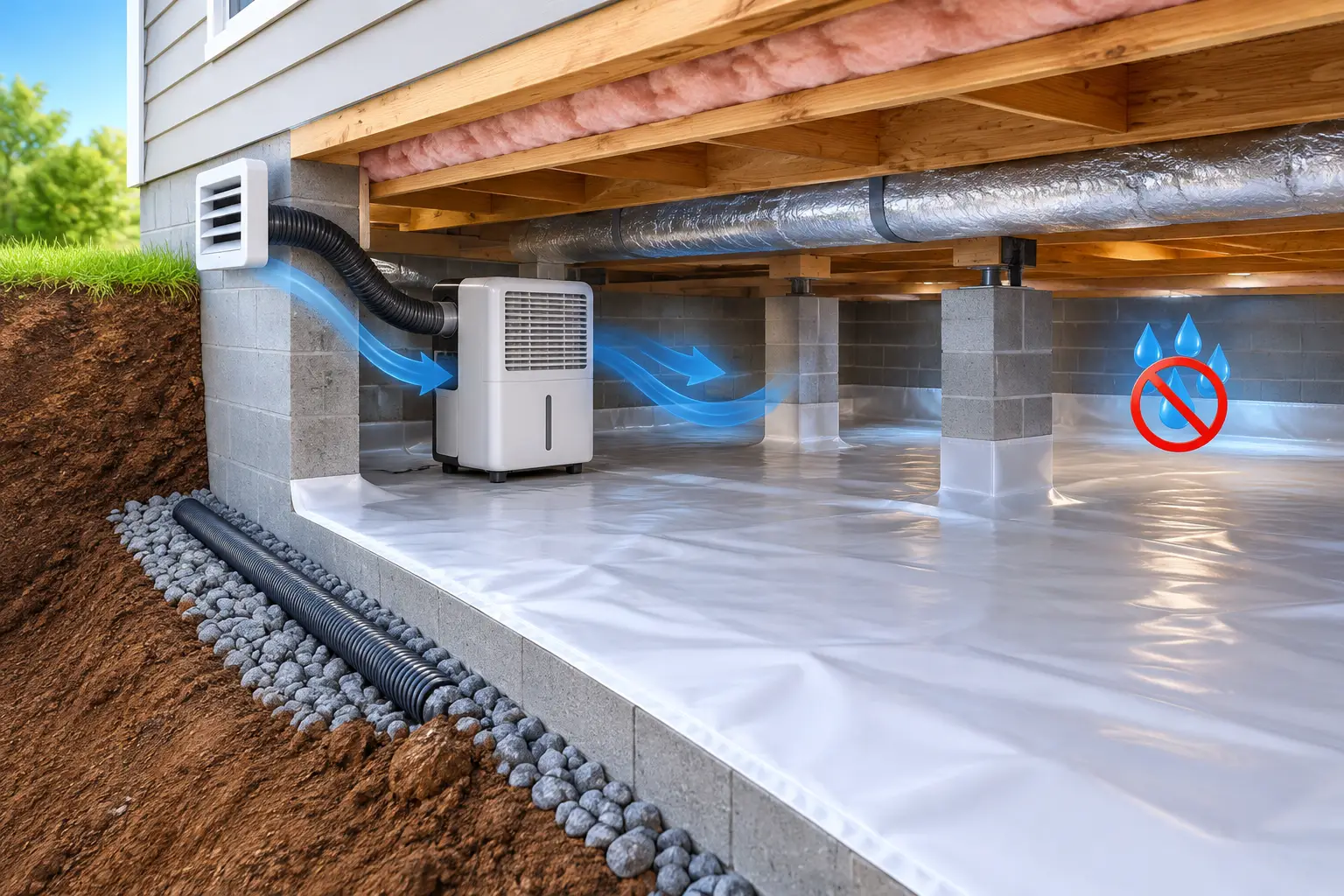
Foundation problems are often connected to water. Poor grading, overflowing gutters, short downspout extensions, hydrostatic pressure, and crawlspace humidity can all contribute to damage over time. A contractor who focuses only on covering a crack may leave the pressure or moisture problem untouched.
Ask a direct question: “What caused this problem, and how will this repair address that cause?” The answer should be specific to your house.
A permanent repair plan may include structural stabilization along with drainage or waterproofing improvements. If a wall is bowing inward, for instance, the repair should do more than make the wall look straight. It should be designed to resist continued movement. If floor joists have been affected by moisture and wood rot, the plan should address both the damaged framing and the source of the moisture.
There are trade-offs. Not every crack requires the same level of repair, and not every wet basement needs an extensive system. That is why an honest diagnosis matters. The goal is not the largest possible project. It is the right repair scope for the conditions present.
How to Choose a Foundation Contractor With Proven Methods
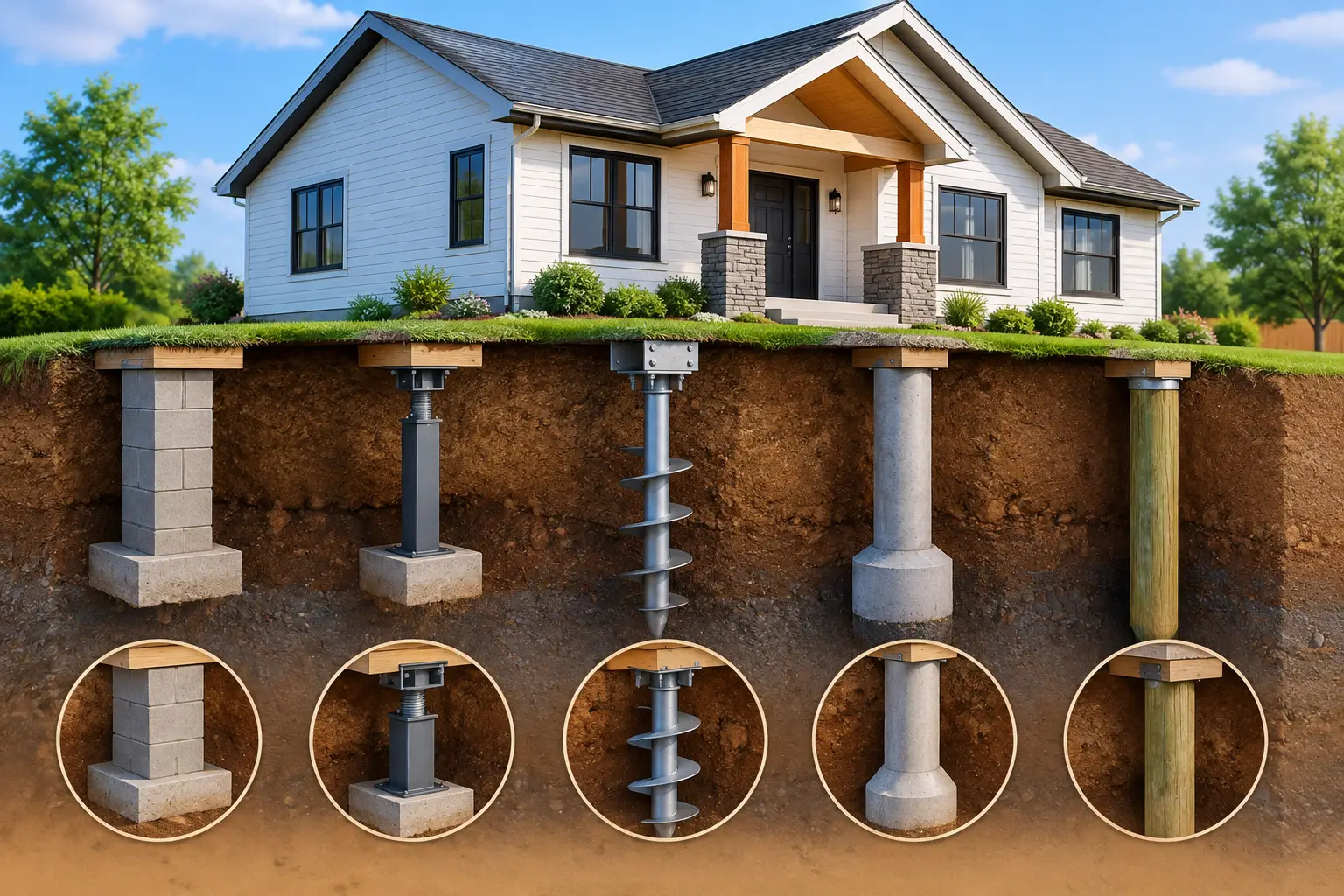
Foundation repair is specialized work. Ask what repair systems the company uses, why those systems fit your situation, and how the installation will be performed. You do not need an engineering degree to evaluate the answer. You should, however, expect a clear explanation of how the system works and what result it is designed to achieve.
A qualified contractor should be comfortable discussing practical details such as whether supports will be installed beneath beams, how wall stabilization will be anchored, how water will be collected and discharged, or how crawlspace moisture will be controlled. Vague answers such as “we’ll seal it up” or “we use the best system” are not enough for a major structural investment.
Look for a company with experience in homes like yours. Older Virginia and Maryland homes often have basement or crawlspace conditions that require careful evaluation of drainage, soil movement, wood framing, and long-term moisture exposure. Local experience helps a contractor recognize patterns, but the final recommendation should still be based on your home’s actual conditions.
Compare Detailed Written Proposals
A proposal should give you more than one price at the bottom of a page. It should clearly identify the affected areas, the recommended work, materials or systems being used, and any preparation or access requirements. It should also explain what is and is not included.
When comparing estimates, make sure you are comparing similar scopes of work. One proposal may include structural reinforcement and moisture control, while another addresses only a visible crack. The cheaper proposal may seem attractive until you realize it does not solve the underlying issue.
Before signing, make sure you understand these four items:
- The specific damage or condition the contractor is repairing
- The system or materials being installed and where they will go
- The expected work schedule, site protection, and cleanup process
- The warranty terms, including what is covered and any limitations
A good contractor welcomes questions about the proposal. They should not pressure you to sign immediately, especially if the issue is not an active emergency. If there is urgent movement, standing water, or a safety concern, they should explain the urgency without using fear as a sales tactic.
Verify Professional Credentials and Accountability
Ask whether the contractor is properly licensed and insured for the work being performed. You can also ask about crew training, years of foundation repair experience, and whether the company has completed projects involving problems similar to yours.
References and reviews can be useful, but read them with purpose. Look for comments about communication, cleanliness, showing up as scheduled, resolving concerns, and whether the contractor explained the work clearly. Foundation repair can be disruptive, so workmanship and jobsite professionalism both matter.
It is also reasonable to ask how the company handles unexpected conditions. Once excavation begins or crawlspace materials are removed, hidden damage can sometimes be discovered. A dependable contractor will explain how changes are documented, priced, and approved before additional work moves forward.
Watch for Foundation Repair Red Flags
A few warning signs should make you slow down. Be cautious if a contractor gives a firm diagnosis without inspecting the home, insists that every small crack requires major structural work, or cannot explain why a recommended system is necessary.
Be equally cautious of contractors who focus only on a quick cosmetic patch when there are signs of movement, water pressure, or deteriorated framing. Fresh sealant may improve appearance, but it does not necessarily stabilize a wall, support a settling foundation, or stop water from reaching the structure.
High-pressure discounts, cash-only requests, unclear warranty language, and estimates with little detail are also reasons to ask more questions. A foundation repair decision should feel informed, not rushed.
Choose Clear Communication Over the Lowest Price
The contractor you choose will be working on one of the most critical parts of your home. Price matters, but the lowest bid is not automatically the best value. A repair that fails to address drainage, structural movement, or moisture can cost more later when damage spreads.
Choose the company that makes you feel informed. You should understand what is happening beneath and around your home, what repair is proposed, and why that repair is expected to last. Engineering-based diagnosis, proven products, and skilled installation are worth more than a vague promise to make the problem disappear.
Foundation Works provides homeowners with no-obligation inspections and straightforward recommendations for foundation, structural, crawlspace, and water-intrusion concerns. Whether the answer is repair, monitoring, or a simple drainage correction, an honest evaluation gives you a sound place to start.
If you have noticed widening cracks, sticking doors, sloping floors, damp crawlspace insulation, standing water, or a basement wall moving inward, do not wait for the evidence to become more expensive. Schedule an inspection, ask direct questions, and choose a repair plan that protects your home for the long term.