
A crack across a basement wall, a floor that feels uneven, or a door that suddenly will not latch can make any homeowner wonder whether the house is moving. Knowing what happens during foundation inspection replaces guesswork with clear answers. The goal is not to sell a repair for every crack. It is to identify whether the symptom is cosmetic, structural, moisture-related, or connected to a drainage problem around the home.
A thorough inspection looks beyond the visible damage. Foundations respond to soil movement, water pressure, poor drainage, aging materials, framing issues, and changes in moisture levels. The right repair depends on the cause. Sealing a crack may improve appearance, for example, but it will not stop recurring damage if the wall is moving or water is building pressure outside it.
When a Foundation Inspection Is a Smart Next Step
Some foundation concerns develop slowly enough that homeowners learn to live with them. A hairline crack may have been there for years. A slightly sloped floor may only become obvious when furniture shifts or a rolling toy will not stay in place. Other changes deserve faster attention, especially when they appear suddenly or worsen over a season.
An inspection is worthwhile when you notice stair-step cracks in brick or block, cracks that widen across drywall, sticking windows and doors, gaps around trim, bowed basement walls, or floors that dip and bounce. In crawlspaces, sagging beams, soft or rotted wood, standing water, musty odors, and visible mold can all point to conditions affecting the home’s structure.
Water is often part of the story in Virginia and the Maryland metropolitan region. Heavy rain, clogged gutters, downspouts that discharge too close to the house, and ground that slopes toward the foundation can saturate soil and increase pressure against below-grade walls. The inspection connects these outside conditions with what is happening inside.
What Happens During a Foundation Inspection?
A professional foundation inspection generally begins with a conversation and a visual review of the property. From there, the inspector examines the exterior, accessible interior areas, and structural components that may be contributing to the problem. The exact scope depends on the home and the warning signs present, but a reliable inspection follows the evidence rather than relying on one symptom alone.
The conversation starts with the home’s history
Before measurements are taken, the inspector should ask what you have seen and when you first noticed it. A crack that has not changed in ten years is evaluated differently from one that appeared after a period of intense rain. Homeowners may be asked about flooding, prior repairs, renovations, drainage changes, plumbing leaks, or whether doors and windows have become harder to operate.
This history matters because foundations do not fail in a single, predictable way. A home can have normal age-related cracking and a separate moisture issue at the same time. Clear answers about timing help determine whether movement may be active and where a closer review is needed.
The exterior reveals how water and soil affect the foundation
The inspection commonly begins outside because the ground around the home has a major effect on foundation performance. The inspector looks for soil that slopes toward the structure, low areas that hold water, erosion, exposed foundation sections, and gaps where water can enter near the wall.
Gutters and downspouts are also part of the evaluation. Roof runoff that repeatedly dumps beside the home can soften soil, contribute to settlement, or raise hydrostatic pressure against basement walls. The inspector may also examine exterior cracks, brick separation, displaced steps, and changes in the grade around porches, walkways, and additions.
Not every exterior crack means a foundation is failing. Concrete and masonry can crack as they cure, age, and respond to seasonal conditions. The location, width, pattern, and relationship to other symptoms are what make the difference.
Basement and crawlspace conditions receive a closer look
Inside, the inspection focuses on the foundation walls, floor slab, support systems, and signs of water intrusion. In a basement, this may include checking for vertical, horizontal, or diagonal wall cracks; inward bowing; white mineral deposits; damp areas; peeling finishes; and evidence of previous water entry.
In a crawlspace, the inspector looks at piers, beams, floor joists, posts, sill plates, and the wood framing near the exterior walls. Moisture can damage framing long before it becomes visible from the living area. Wood rot, fungal growth, deteriorated insulation, rusted hardware, and wet soil are not merely crawlspace concerns. They can lead to sagging floors and reduced structural support above.
Access matters. Stored belongings, finished basement walls, tight crawlspaces, or concealed framing can limit what is visible during an initial visit. A responsible inspector should explain those limits instead of making claims that cannot be supported by the accessible evidence.
Measurements help separate appearance from movement
Visual observations are important, but measurements provide a clearer picture. Depending on the conditions, an inspector may measure crack widths, wall deflection, floor elevation changes, or the amount of movement along a damaged area. These measurements help determine whether a wall is bowing, whether a floor is settling, and whether a crack pattern is consistent with structural movement.
The inspector may also check moisture conditions in wood or inspect for sources of water entry. This is especially useful when a homeowner has noticed a musty smell, cupped flooring, damp insulation, or seasonal water in the basement. Moisture readings alone do not diagnose every problem, but they can confirm that wet conditions are contributing to damage.
How the Findings Turn Into a Repair Plan
After the review, the most valuable part of the inspection is the explanation. You should understand what was found, what likely caused it, how urgent it is, and what could happen if it is left unaddressed. A useful recommendation distinguishes between monitoring a stable condition and correcting an active issue.
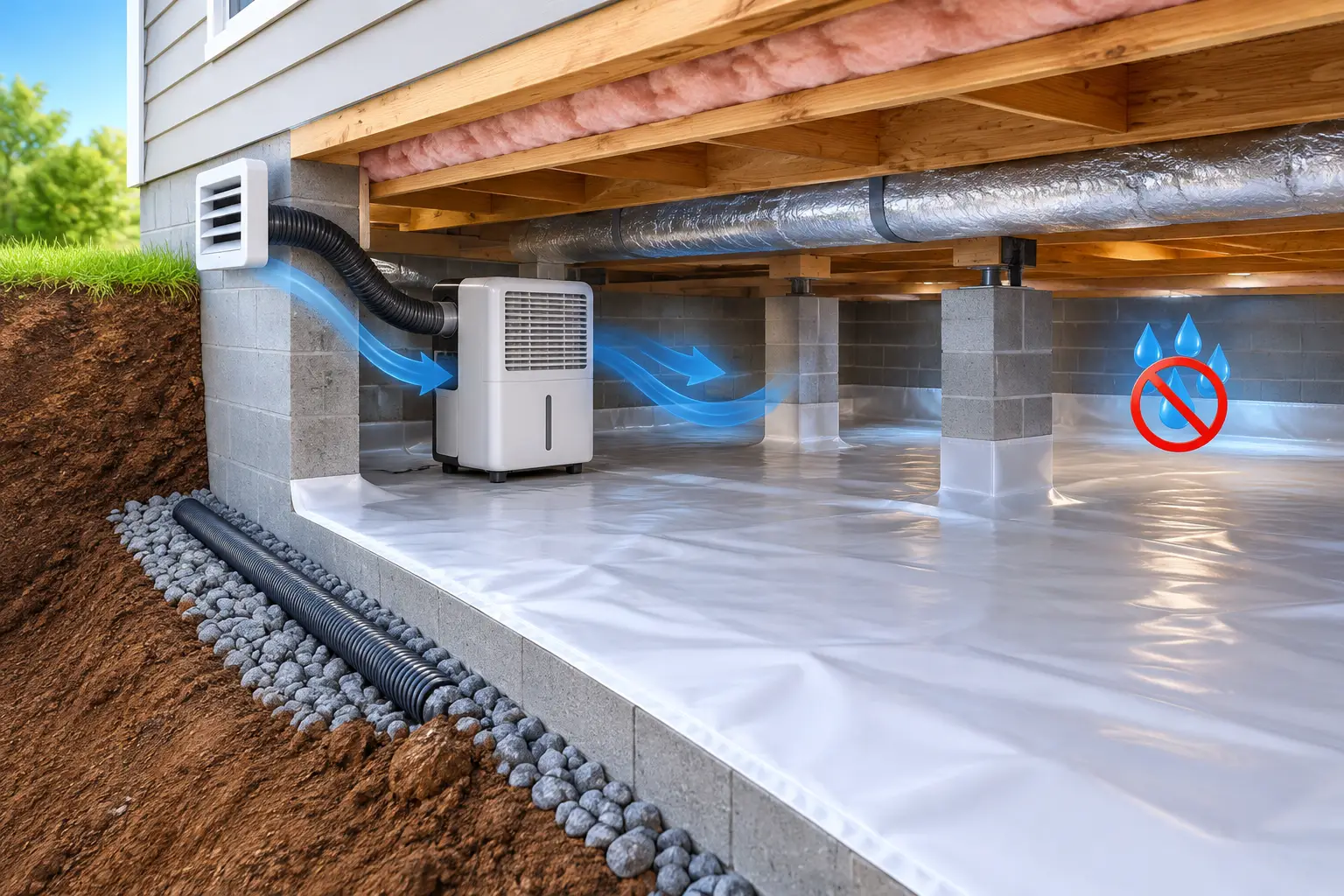
For example, a settlement-related concern may call for a permanent stabilization system designed to support the foundation at the affected area. A bowing wall may require a wall-stabilization approach that addresses lateral soil pressure. If moisture and drainage are driving the damage, waterproofing, drainage correction, or crawlspace encapsulation may be necessary to protect the structure from recurring exposure.
The best scope is rarely a one-size-fits-all package. A basement wall with a cosmetic surface crack does not need the same response as a wall that is moving inward. Likewise, a sagging floor caused by compromised crawlspace framing needs a different solution than a floor that feels uneven because of a minor finish issue. Engineering-based diagnosis keeps the repair focused on the root cause.
If the conditions require further evaluation by a licensed engineer, that should be stated plainly. Some homes have complex movement patterns, significant structural alterations, or circumstances where engineering documentation is appropriate. Asking for the right level of evaluation protects the homeowner from both under-repairing and paying for unnecessary work.
What a Good Inspection Should Leave You With
You should leave an inspection with more than a list of problems. You should know which symptoms need attention now, which ones can be monitored, and why the recommended work addresses the cause rather than covering it up. You should also have the opportunity to ask practical questions about installation, disruption to the home, timing, and how the repaired area will be protected going forward.
Foundation problems can feel intimidating because they affect the structure that supports everything else in the house. Yet early evaluation often gives homeowners more choices. Correcting drainage before ongoing water exposure damages framing, or stabilizing a moving wall before the movement becomes severe, can prevent a smaller concern from becoming a more disruptive repair.
How to Prepare Before the Inspector Arrives
You do not need to diagnose the problem before scheduling an inspection. A few simple steps can make the visit more productive. Clear access to the basement walls, crawlspace entry, utility areas, and the exterior foundation where possible. If you have photos of water after rain, earlier crack photos, or records of previous repairs, keep them available.
It also helps to make a short note of what has changed. Mention when the crack appeared, whether it grows, where water enters, and whether doors, floors, or windows have changed. Those details can reveal patterns that are not obvious during a single visit.
A free, no-pressure inspection from Foundation Works is designed to give homeowners a direct explanation of what the home needs and what it does not. If you are seeing new cracks, wet crawlspace conditions, bowed walls, or sagging floors, do not wait for the signs to become harder to ignore. Getting a clear diagnosis now can help protect your home, your investment, and the people who live in it.