A sagging floor rarely starts as a flooring problem. Homeowners may first notice a dip near a kitchen island, doors that no longer latch, or a crack appearing above an interior doorway. In the basement or crawlspace below, the framing may be undersupported, a beam may be deflecting, or a support column may no longer be doing its job. That is where the question of adjustable columns versus steel posts often comes up.
Both can provide vertical support, but they are not automatically interchangeable. The right choice depends on the load being carried, the condition of the beam and framing, the footing below it, moisture conditions, and whether the support is part of a permanent engineered repair. Installing a post without addressing those details can shift the problem rather than solve it.
What Adjustable Columns Actually Do
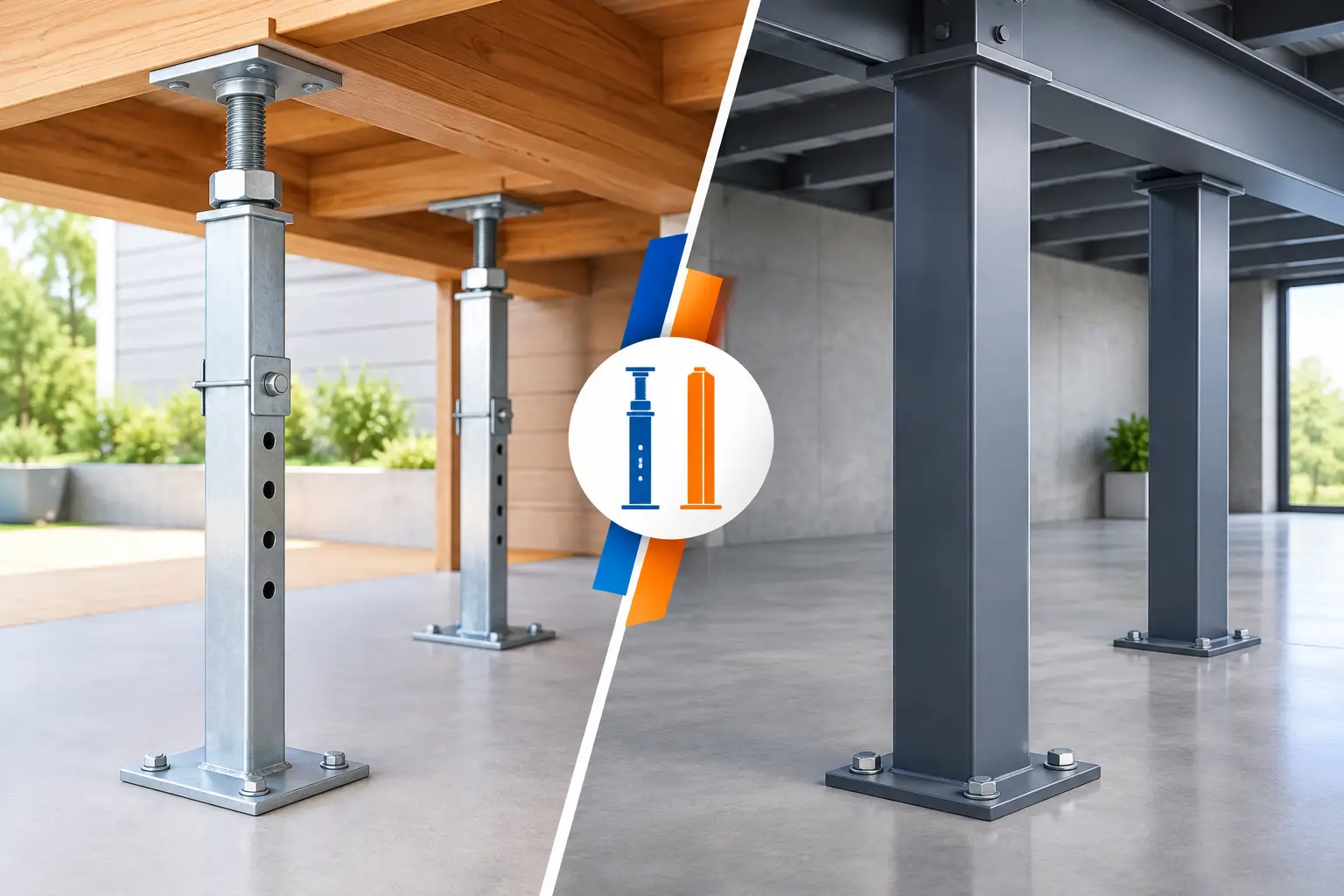
Adjustable columns are steel support columns with a threaded adjustment mechanism. They are commonly used beneath beams in basements and crawlspaces to help support floor framing. The adjustment feature allows an installer to set the column to the correct height and, when appropriate, make controlled corrections to a sagging beam or floor.
Their value is precision. Homes, especially older homes across Virginia and Maryland, are not always perfectly level. A qualified repair team can use adjustable columns to provide support at the required elevation rather than trying to force a one-size-fits-all post into place.
However, “adjustable” does not mean a homeowner should keep turning the adjustment screw whenever a floor feels uneven. Raising framing too quickly can crack drywall, damage finishes, stress plumbing connections, or create new problems elsewhere in the home. Any lifting must be gradual, measured, and based on an inspection of the full structure.
There is also a major difference between a rated, permanent adjustable column and a lightweight jack post sold for temporary support. Some products are intended only to hold a load briefly during construction or repair work. They should not be treated as a permanent fix beneath a home.
Adjustable Columns Versus Steel Posts: The Key Difference
A steel post is a broader term. It may describe a fixed-length structural steel column, a fabricated post, or another permanent vertical support designed for a specific load and height. Unlike an adjustable column, a fixed steel post generally does not offer on-site height adjustment after installation.
That does not make it less effective. In the right application, a properly sized fixed steel post can be an excellent permanent support. It is often selected when the beam height is known, the bearing conditions are sound, and the repair design calls for a fixed connection. Because it has no adjustment mechanism, it also removes the temptation to make unplanned changes later.
An adjustable column may be the better option when field conditions vary or a beam needs careful, incremental correction. A fixed steel post may make more sense when an engineered repair calls for a specific post size and elevation. The decision should be driven by structural requirements, not simply by which product appears stronger or costs less at first glance.
The most important point is this: neither type of column can safely carry a significant load if it is sitting on an inadequate slab, soft soil, deteriorated wood, or a footing that was never designed for the load.
The Footing Below the Column Matters as Much as the Column
A new support post can look solid on day one and still fail to correct the issue if the concrete below it is too thin or undersized. Concentrated loads from beams and floor systems need to be transferred safely into a properly designed footing.
In many older basements, the concrete slab is not a structural footing. Placing a new column directly on the slab can lead to cracking, settlement, or the post slowly punching downward through the concrete. In crawlspaces, placing a post on a loose block, brick, or bare soil can be even more concerning.
A permanent repair may require excavation and a new concrete footing sized for the load and soil conditions. The beam above may also need repair, reinforcement, or replacement if it has been weakened by rot, insect damage, moisture exposure, or long-term deflection. Simply adding a column beneath a failing beam does not restore damaged wood.
When an Adjustable Column May Be Appropriate
An adjustable support can be a practical part of a permanent repair when it is rated for the intended load, installed on a suitable footing, connected correctly to the beam above, and included in a complete repair plan. It can be particularly useful where a beam has settled slightly and needs controlled support at an exact height.
For example, a homeowner may notice a low spot in the floor above a basement beam. Inspection could reveal that an existing wood support has decayed from years of moisture exposure. If the beam itself remains structurally sound, a properly designed footing and permanent adjustable column may provide the support needed while allowing the beam to be brought back toward its intended position gradually.
But if the sag is caused by undersized joists, widespread wood rot, failing girders, or settlement at the foundation, a single column may not be the answer. The visible low spot is a symptom. The repair must address the cause.
When a Fixed Steel Post May Be the Better Choice
Fixed steel posts are often a good fit when the repair design has clear, stable dimensions and no future adjustment is needed. They can be fabricated or selected to match the exact height between a beam and a properly prepared footing.
This approach may be preferred when replacing an existing permanent support, when a beam has already been correctly positioned, or when an engineer specifies a particular column configuration. The post must still be sized for the actual load and protected from corrosion where moisture is present.
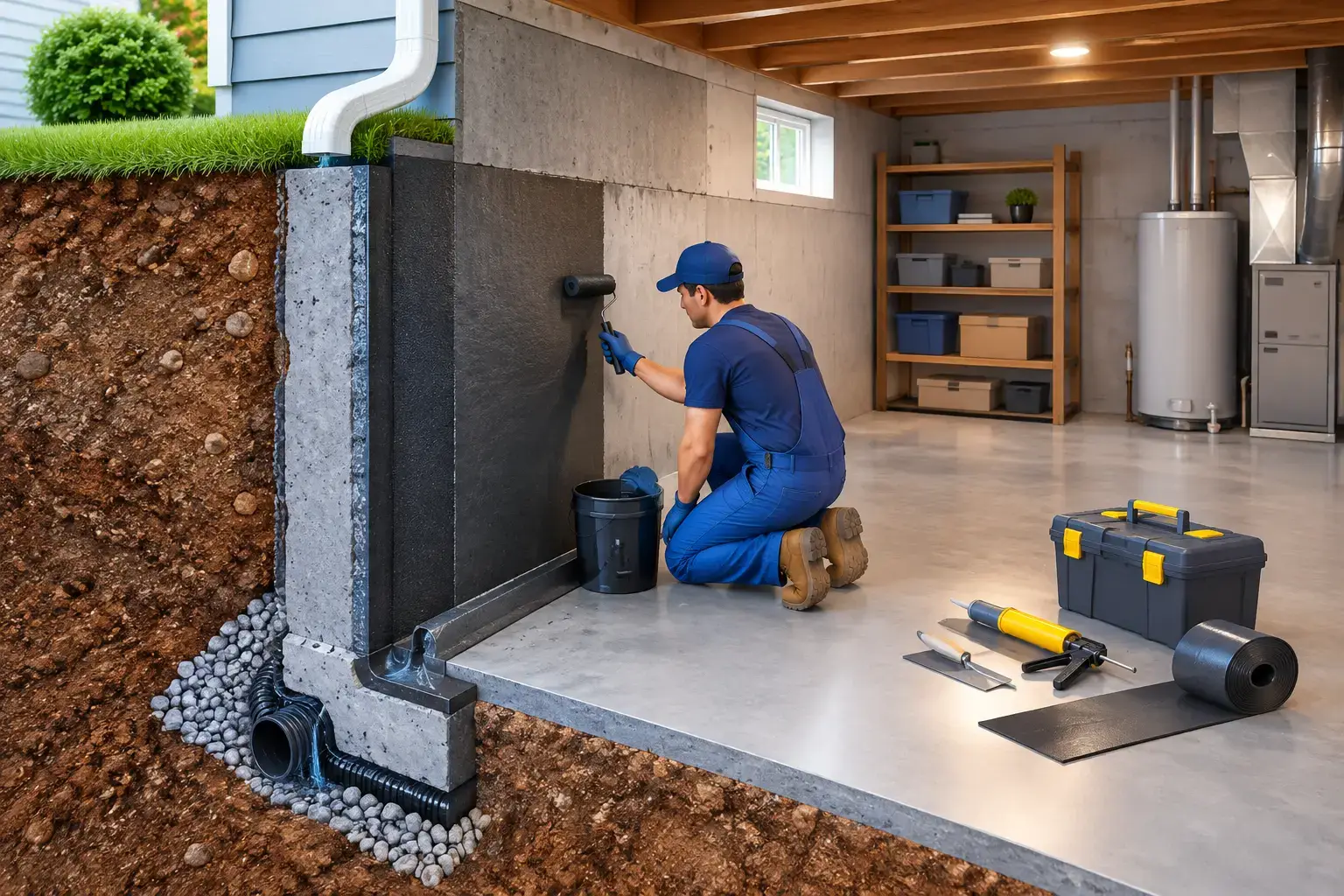
In a damp crawlspace or basement, water management is not optional. High humidity, standing water, and drainage problems can damage wood framing, corrode metal components, and undermine footings over time. A structural repair in a wet environment should be paired with a plan to control moisture at its source.
Warning Signs That Call for a Structural Inspection
Not every uneven floor requires a major structural repair. Older homes can have minor slopes that have remained unchanged for decades. The concern grows when the condition is active, worsening, or accompanied by other warning signs.
Pay attention if floors are noticeably sloped or bouncy, interior doors stick suddenly, new cracks appear in drywall, gaps open around trim, or basement support posts look tilted, corroded, or makeshift. In crawlspaces, inspect for wet soil, fungal growth, soft or darkened wood, cracked piers, and posts resting on unstable materials.
A support column should never be evaluated in isolation. The beam above it, the joists tying into that beam, the foundation walls and piers around it, and the soil or footing below all affect whether the system is safe.
Avoid the Quick-Fix Approach
It is understandable to want a fast answer when a floor begins to sag. A temporary post may make a space feel more secure, but it can also hide ongoing movement while the actual problem continues. Improperly installed supports can create point loads, damage slabs, or cause sudden shifting if adjusted under load without the right process.
A professional evaluation should determine whether the issue is structural, moisture-related, or cosmetic. It should also distinguish between a condition that needs prompt repair and one that only needs monitoring. Honest recommendations matter because unnecessary work is expensive, but delayed work can allow framing damage and settlement to become more extensive.
Foundation Works evaluates the conditions behind sagging floors and failing supports, then recommends repairs built for the home rather than a generic fix. That may involve new permanent columns, beam and joist repair, crawlspace moisture control, or a combination of services designed to protect the structure for the long term.
If your home has a sagging floor or questionable basement or crawlspace supports, do not rely on appearance alone. A careful inspection of the load path, footing, framing, and moisture conditions can turn an alarming symptom into a clear, lasting repair plan.