A basement wall that starts to bow inward is not simply an aging-home problem. It is often a sign that the soil outside is pushing harder than the wall can safely resist. This soil pressure guide explains what creates that force, what warning signs homeowners should watch for, and why correcting water and soil conditions matters as much as repairing the visible damage.
What Soil Pressure Means Around Your Foundation
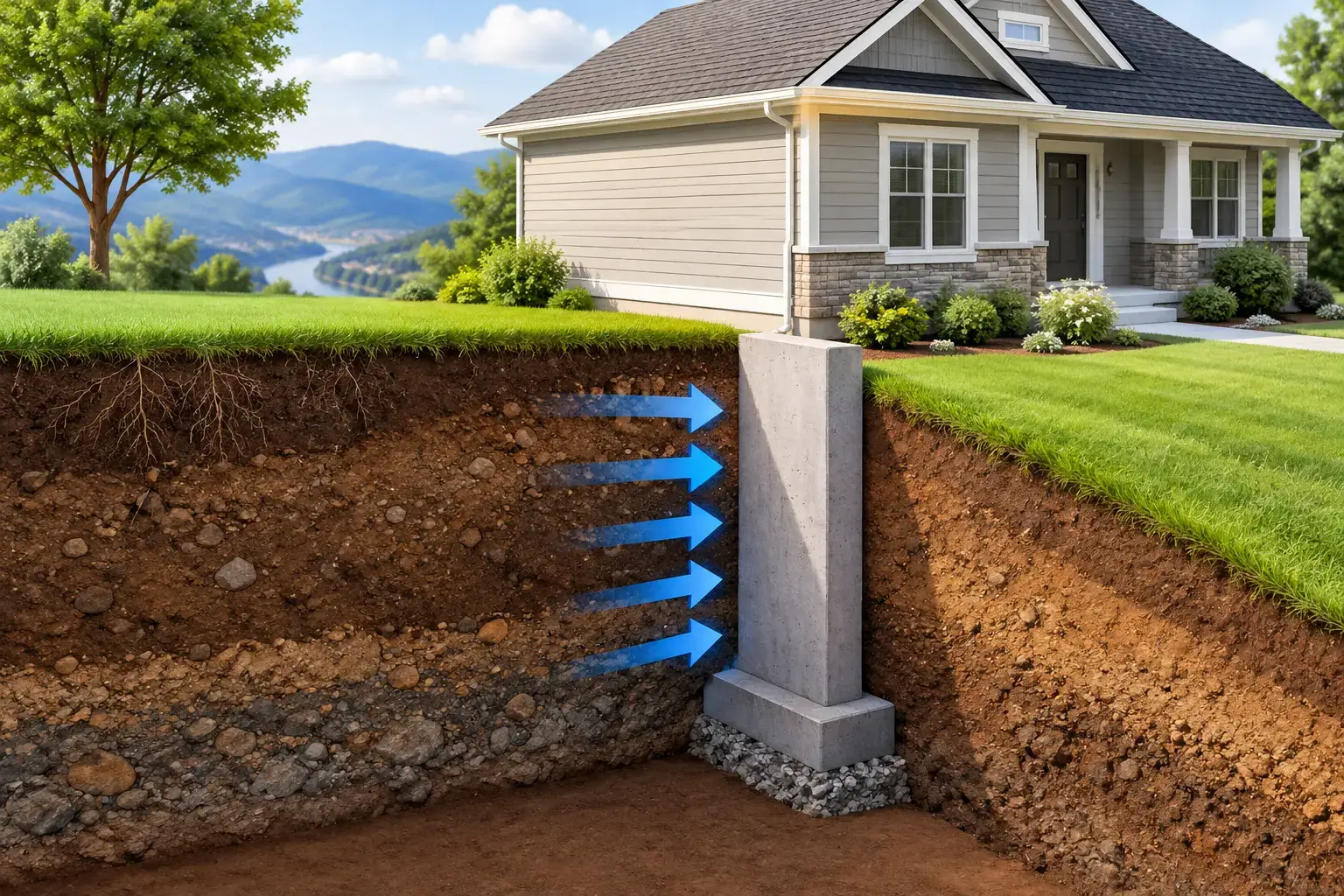
Every foundation holds back soil. That is normal. The concern begins when the pressure against basement walls, crawlspace walls, footings, or slabs increases beyond what the structure was designed to handle.
Soil pressure changes with the type of soil, how wet it is, how deeply it was placed around the house, and whether the ground moves through seasonal wet-dry cycles. Many homes in Virginia and Maryland sit in areas where clay-heavy soils can absorb water, expand, and place added force against foundation walls. When that soil dries, it can shrink and leave gaps that allow water to move quickly toward the foundation during the next storm.
The result is often a repeating cycle: water enters the soil, pressure rises, the foundation shifts or cracks, and the surrounding ground continues to direct water toward the weakened area. A crack may be the symptom homeowners see first, but it is not always the starting point of the problem.
Lateral Pressure Pushes Walls Inward
Lateral soil pressure is the side-to-side force exerted against below-grade walls. Basement walls are especially vulnerable because they retain earth on one side while the interior is open on the other.
Dry, properly drained soil still applies pressure. Saturated soil applies much more. Water adds weight to the soil and can build hydrostatic pressure against the wall. If drainage is poor, downspouts discharge too close to the home, or grading slopes toward the foundation, that pressure can intensify after every heavy rain.
Over time, homeowners may notice horizontal cracks, stair-step cracks in block walls, inward bowing, or walls that appear to lean. These conditions deserve prompt evaluation. A wall under continued pressure does not typically straighten on its own.
Soil Movement Can Affect Footings and Floors
Pressure is not limited to basement walls. Soil also supports the footings beneath your home. If supporting soil becomes overly wet, erodes, compacts, or shifts, portions of the foundation can settle at different rates.
That uneven movement may show up as diagonal cracks near windows and doors, sticking doors, gaps around trim, sloping floors, or cracks that widen over time. In crawlspace homes, weakened or moisture-damaged framing can add another layer to the problem, making floors feel soft or uneven even when the foundation walls look relatively normal.
One symptom does not automatically mean major structural failure. Small, stable cracks can be cosmetic. But multiple symptoms, recent changes, or cracks combined with water intrusion should not be dismissed as routine settling.
A Soil Pressure Guide to Common Warning Signs
Homeowners do not need to measure soil loads to recognize that something may be wrong. Pay attention to changes that suggest the foundation is responding to outside pressure or unstable support.
Horizontal cracks in a basement wall are among the most serious signs because they can indicate inward soil pressure. Vertical cracks can occur for several reasons and should be assessed based on their width, location, and whether they are changing. Diagonal cracks, especially those extending from window corners or door openings, can point to uneven settlement.
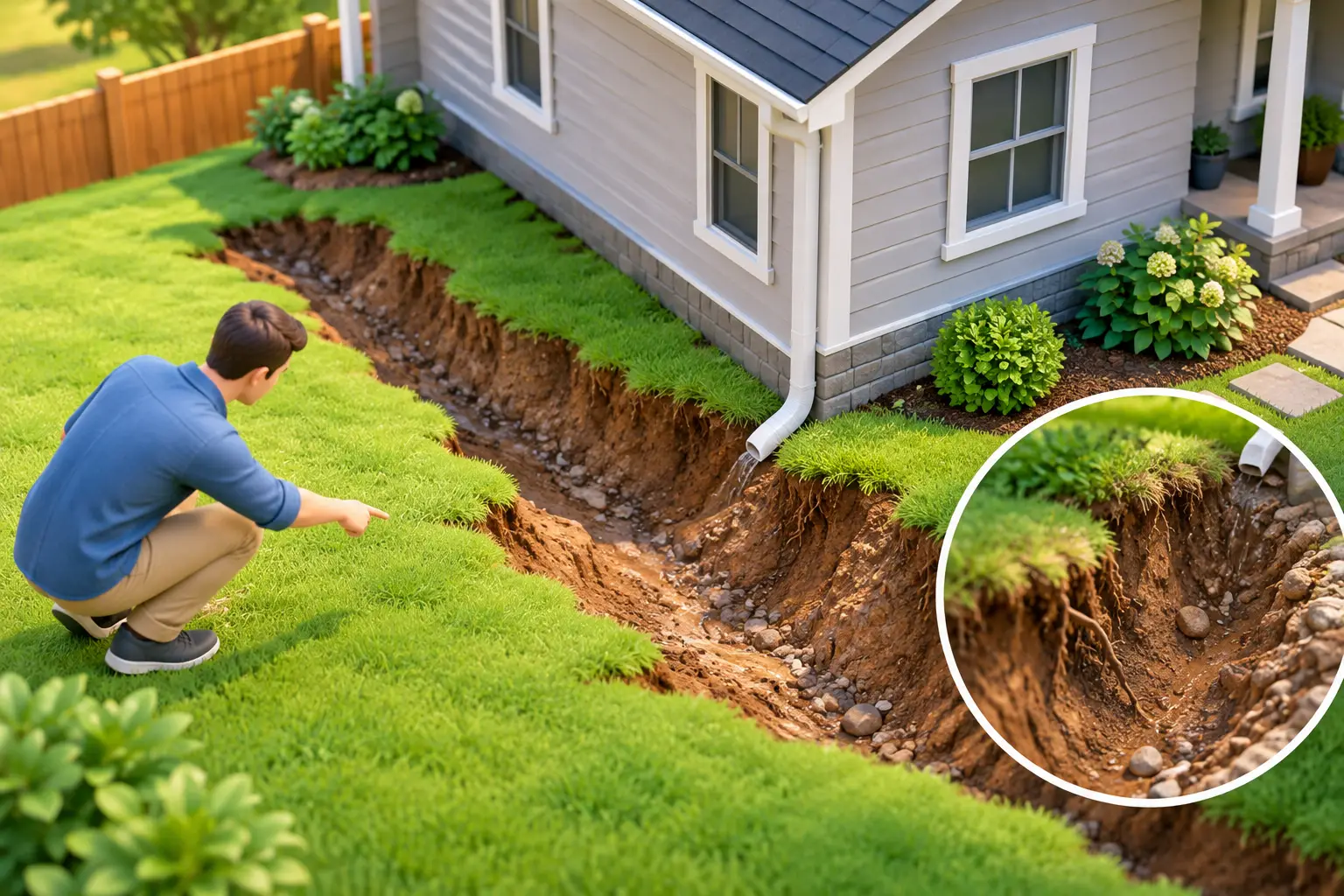
Inside the home, look for doors that no longer latch, windows that stick, new gaps between walls and ceilings, and floors that slope or sag. In a crawlspace, standing water, wet insulation, mold-like growth, wood rot, and deteriorating beams or joists all warrant attention. Outside, soil pulling away from the foundation, persistent puddles, overflowing gutters, and downspouts that empty beside the house can contribute to the same underlying conditions.
The key question is not just, “Is there a crack?” It is, “What is making this area move, hold water, or carry extra pressure?” A permanent repair plan starts there.
Why Water Management Is Part of Foundation Repair
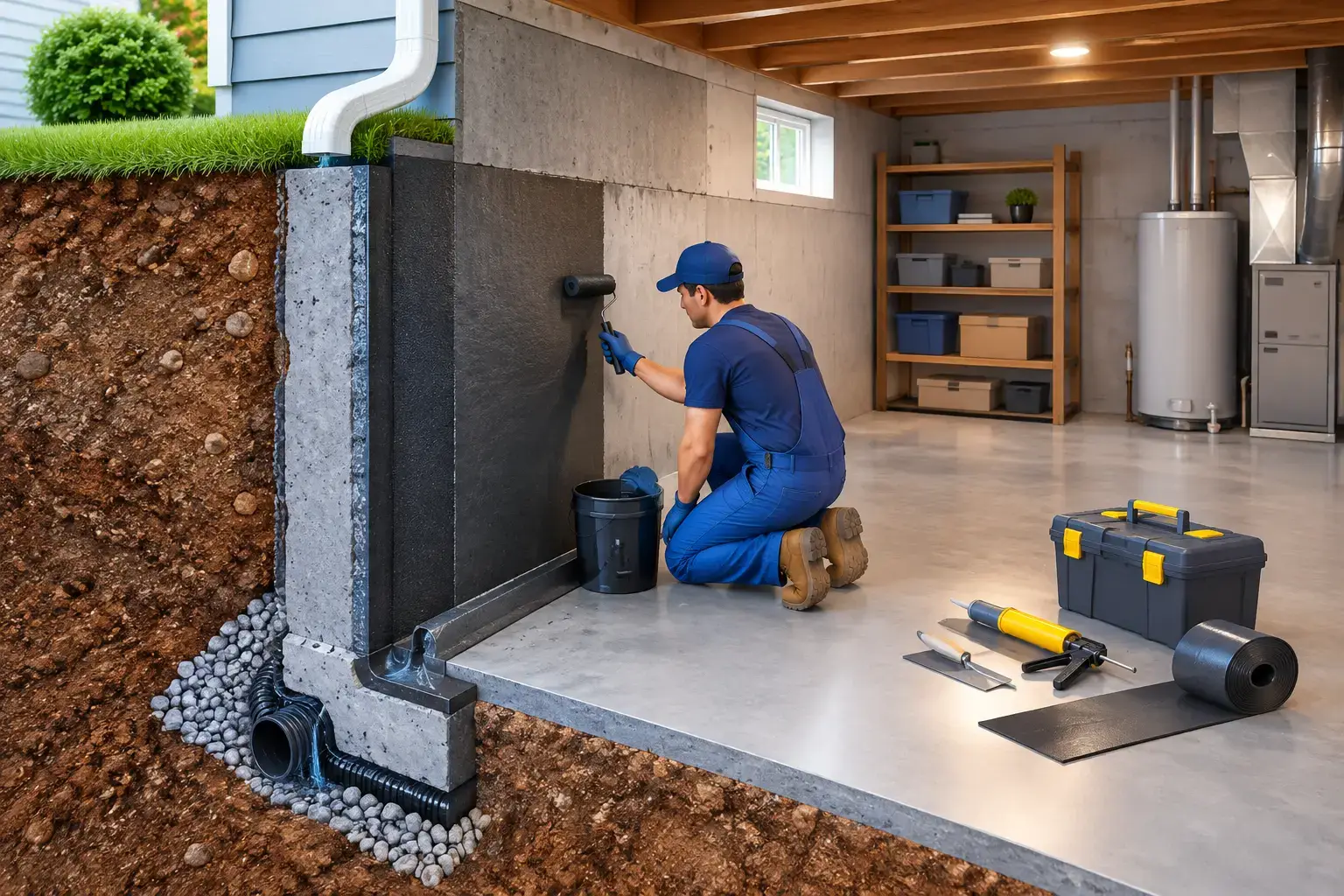
Water is often the multiplier in soil-pressure problems. It can saturate backfill around basement walls, wash soil away from areas that support footings, enter crawlspaces, and create conditions for mold and wood decay.
That does not mean every wet basement requires the same solution. The correct approach depends on where water comes from, how it travels around the property, the condition of the foundation, and whether damage has already occurred. Surface runoff, roof drainage, groundwater, plumbing leaks, and poor grading can produce similar-looking moisture symptoms while requiring very different fixes.
A proper inspection should look beyond the interior water stain or wall crack. It should consider the grade around the home, gutter discharge, visible drainage paths, exterior soil conditions, foundation-wall movement, and the condition of the crawlspace or basement. Treating only the inside surface of a wall may hide water temporarily without relieving the forces acting outside it.
For homes with structural wall movement, stabilization may be needed in addition to drainage or waterproofing work. For homes with settlement, the focus may be on restoring dependable support beneath affected areas. For crawlspaces, controlling moisture and repairing damaged framing can be essential to protecting the floors above. The right repair is determined by the cause, not by a one-size-fits-all product.
When Soil Pressure Becomes Urgent
Some foundation concerns can be monitored after a professional assessment. Others should be inspected quickly. Do not wait if you see a wall bowing inward, a horizontal crack growing across a basement wall, water entering after rain, a sudden shift in floor level, or a door that abruptly will not close alongside new wall cracks.
Urgency also rises when moisture and structural symptoms occur together. For example, a damp crawlspace with sagging floors may involve both water exposure and deteriorating wood framing. A leaking basement with horizontal wall cracks may involve both water pressure and wall movement. Addressing only one part can leave the other condition active.
Waiting can increase the scope and cost of repair. It can also make a home harder to sell, complicate renovation plans, and create understandable concern for buyers and lenders. Early evaluation gives homeowners more options and a clearer picture of what actually needs to be done.
What a Professional Foundation Inspection Should Provide
A useful foundation inspection is not a high-pressure sales visit. It should give you a clear explanation of what is visible, what may be causing it, and whether repair is necessary now.
At Foundation Works, the goal is to distinguish cosmetic concerns from conditions that need structural or moisture-control work. An inspection should document relevant cracks, wall movement, floor conditions, moisture evidence, drainage concerns, and accessible framing conditions. From there, recommendations should explain how the proposed work addresses the root cause.
Ask direct questions during an evaluation. Is the crack active or stable? Is water increasing soil pressure? Does the repair stabilize the structure, control the water source, or both? What signs should be monitored after the work is complete? Clear answers help you make a confident decision about a major investment in your home.
Protect the Ground That Supports Your Home
Foundations are built to carry a home, but they depend on stable soil and controlled water to do that job over decades. Keep gutters clear, extend roof runoff away from the foundation, avoid allowing soil to slope toward the house, and investigate recurring moisture before it becomes structural damage.
If you are seeing cracks, bowing walls, standing water, or sagging floors, the most helpful next step is an honest professional assessment. Finding the source of the pressure early can protect your home, your family’s safety, and the value you have worked hard to build.