A musty odor in the hallway, floors that feel soft underfoot, or insulation hanging below the framing can all point to the same hidden problem: crawlspace moisture. Because the damage begins beneath the house, many homeowners do not see it until moisture has already affected wood framing, indoor air quality, or the structure above.
In Virginia and the Maryland metropolitan region, humid summers, heavy rain, clay soils, and seasonal groundwater can create difficult crawlspace conditions. The right fix is not simply covering a wet area or running a fan for a few days. Lasting protection starts with finding out where the water vapor or liquid water is coming from, then correcting the conditions that allow it to remain.
What Crawlspace Moisture Does to a Home
A crawlspace is part of your home’s structural system, not unused space that can be ignored. Floor joists, beams, support posts, subflooring, plumbing, ductwork, and sometimes foundation components all depend on a dry, stable environment.
When moisture remains elevated, wood absorbs it. Over time, that can lead to fungal growth, wood rot, weakened joists, and deteriorating beams. Floors may begin to sag, bounce, or slope as structural members lose strength. Doors can stick, trim can separate, and cracks may appear as the home responds to movement above a compromised crawlspace.
Moisture also affects the air you breathe. Air naturally moves upward through a house, carrying humidity, mold spores, and musty odors from the crawlspace into living areas. A dehumidifier upstairs may make a room feel better temporarily, but it does not correct a wet crawlspace below it.
The cost of waiting is often higher than homeowners expect. A small drainage issue can become a wood repair project. A torn vapor barrier can become widespread mold growth. Addressing the source early helps protect both your family’s comfort and one of your largest investments.
Signs of Crawlspace Moisture You Should Not Ignore
Some signs are obvious, such as standing water after rain. Others appear slowly and are easy to dismiss as normal aging. If you notice recurring issues, the crawlspace deserves a professional evaluation.
Look for a persistent musty smell, especially near first-floor rooms or closets. Watch for damp or fallen insulation, visible mold on framing, rusty metal supports or HVAC components, and condensation on ducts or pipes. Outdoors, puddles near the foundation, overflowing gutters, or soil that slopes toward the house can be warning signs that water is reaching the crawlspace.
Inside the home, sagging floors, bouncy floor areas, new gaps between flooring and baseboards, or doors that no longer close correctly may indicate that moisture has affected the framing. These symptoms do not always mean severe structural damage, but they should never be treated as cosmetic until the underlying conditions have been checked.
Standing Water Is Not the Only Problem
A crawlspace does not need visible puddles to be too damp. Moisture can enter as humid outside air, groundwater vapor rising through exposed soil, slow plumbing leaks, condensation, or rainwater moving through foundation openings. This is why a crawlspace can smell damp even during a dry week.
Relative humidity is a major concern. When it stays high, surfaces remain damp enough for mold and decay organisms to grow. The goal is not to make the crawlspace look cleaner for a day. The goal is to create dry, controlled conditions that protect the structure year-round.
Why Crawlspaces Get Wet
Every home has its own combination of causes. A proper inspection should identify the water path before anyone recommends a repair. Applying one product without correcting the source can leave the homeowner with the same problem after the next heavy rain or humid season.
Poor exterior drainage is one of the most common causes. Gutters that overflow, short downspout extensions, settled soil, and hard surfaces that direct water toward the foundation can saturate the ground around the home. That water may then enter through gaps, seep through foundation walls, or collect beneath the crawlspace.
Groundwater is another concern, particularly on lower-lying lots or properties with dense clay soil. Water may rise beneath the home after extended rain even if the foundation walls do not show an obvious leak. In other cases, plumbing leaks, disconnected drain lines, or improperly vented dryers add moisture from inside the home.
Traditional crawlspace vents can also create problems in our regional climate. During humid weather, warm outdoor air enters the cooler crawlspace and condenses on framing, ducts, and pipes. More ventilation is not automatically a moisture solution. It depends on the source of moisture, the crawlspace design, and local conditions.
Permanent Crawlspace Moisture Control Starts at the Source
A lasting repair plan often combines several measures. The right scope should be based on what an inspection finds, not a one-size-fits-all package.
Improve Drainage Before Water Reaches the Foundation
When roof runoff or grading sends water toward the home, exterior drainage improvements are often the first line of defense. Correcting gutter discharge, moving water away from the foundation, and addressing low areas can reduce the amount of water that ever reaches the crawlspace.
This work matters because interior measures alone may be forced to manage a constant water supply. Redirecting surface water is usually less disruptive and protects the foundation perimeter as well as the crawlspace.
Remove Groundwater and Intruding Water
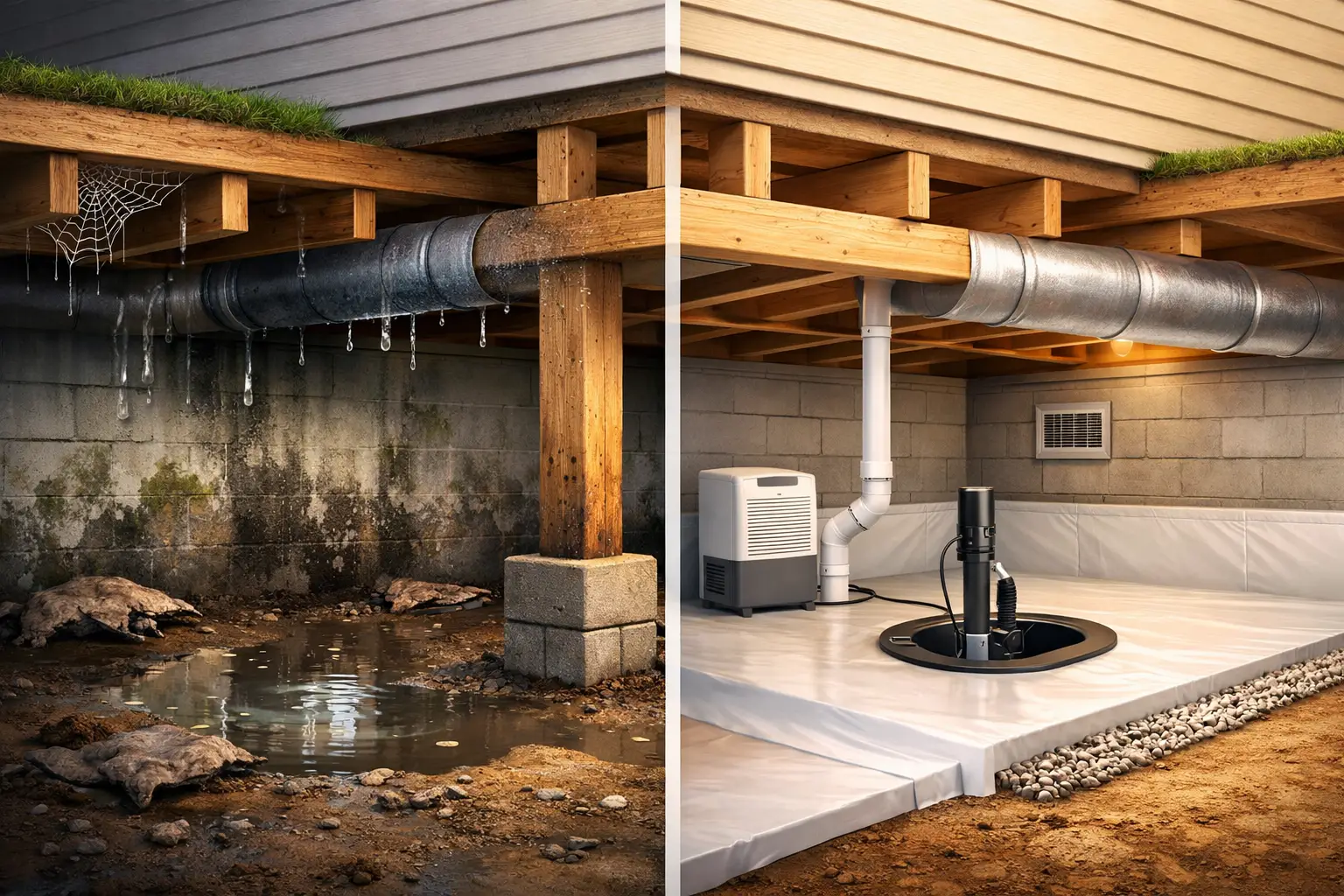
If water collects under the home, an interior drainage system and properly sized sump pump may be necessary. These systems collect water at the perimeter or low points and direct it away from the structure before it can damage framing or raise humidity.
A sump pump is not a substitute for diagnosis. It is a water-management tool. It must be installed where water naturally collects, discharge safely away from the foundation, and be selected for the home’s conditions. In areas prone to power outages during storms, homeowners may also want to discuss backup protection.
Encapsulate and Control Humidity
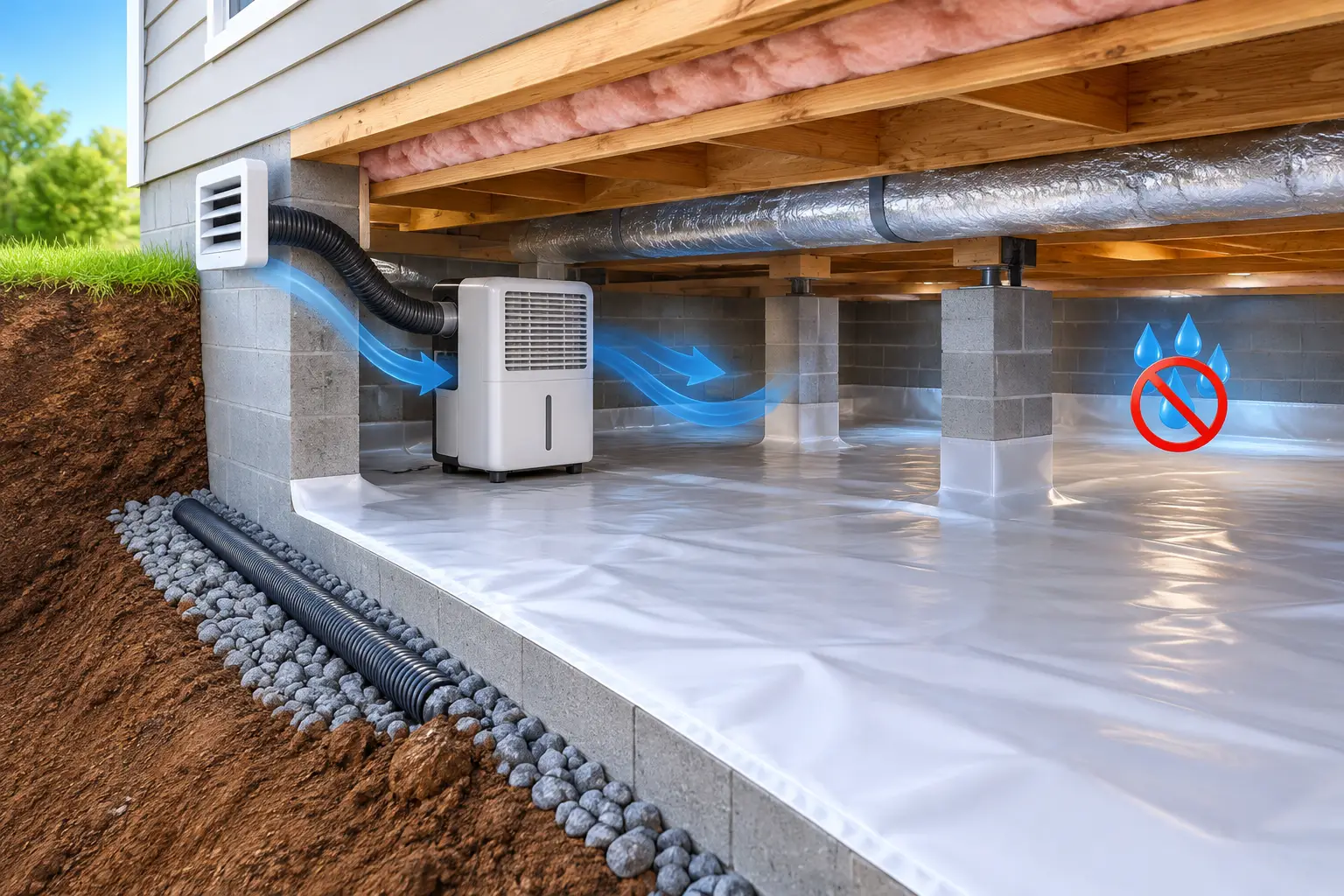
Crawlspace encapsulation uses a durable vapor barrier to cover exposed soil and, when appropriate, walls and other surfaces. Sealing gaps and managing access points help isolate the crawlspace from ground moisture and humid outdoor air. A properly selected dehumidifier can then maintain controlled humidity inside the enclosed space.
Encapsulation is especially effective when the crawlspace has persistent dampness from soil vapor or humid air. However, it should not be used to hide active leaks, standing water, or damaged wood. Those conditions need to be addressed first or as part of the same repair plan.
Repair Damaged Structural Components
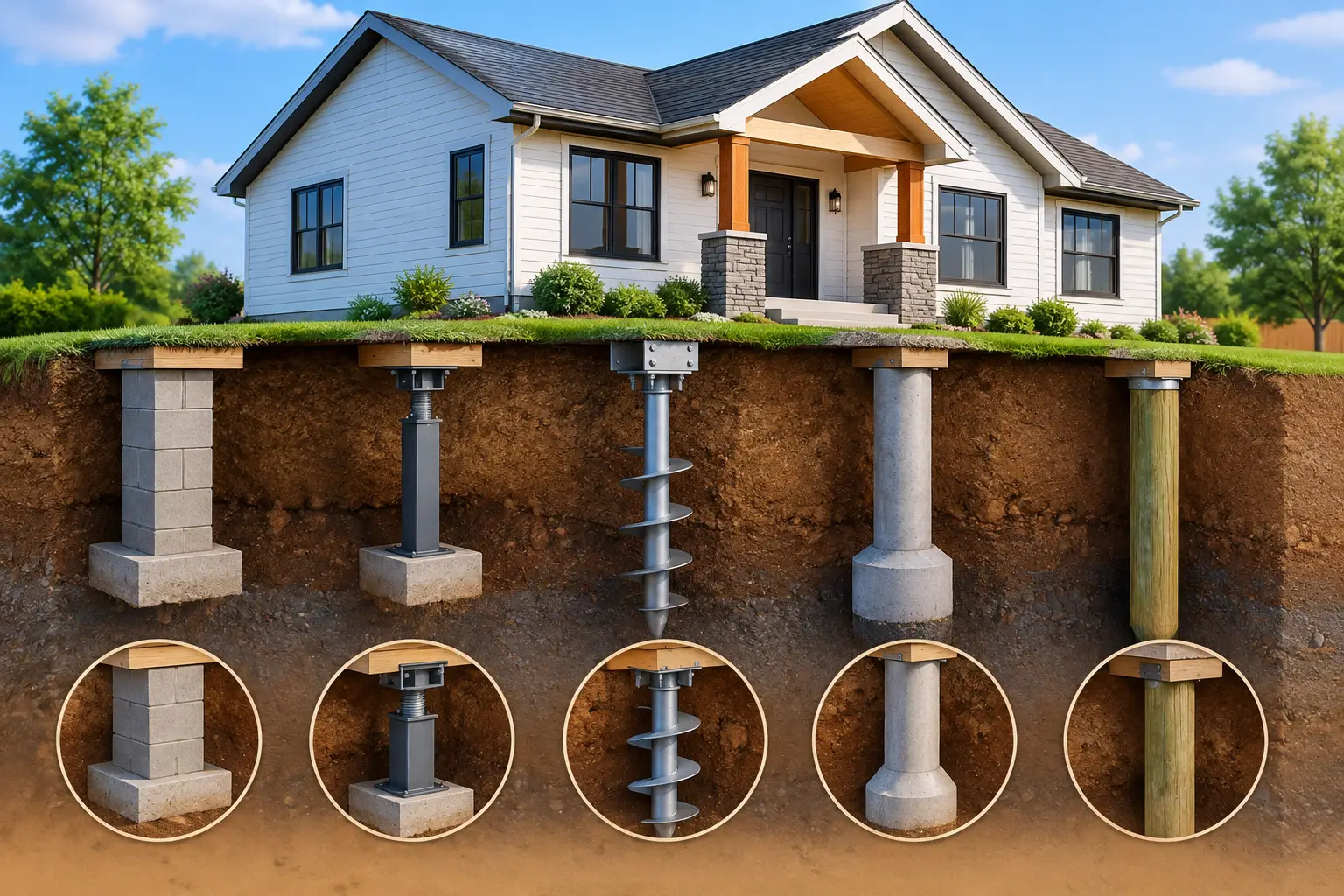
If moisture has weakened beams, joists, sill plates, or support posts, drying the crawlspace is only part of the work. Damaged structural components may need repair or reinforcement to restore safe support beneath the floor system.
This is where an engineering-based diagnosis is valuable. A floor that sags may be caused by wood rot, inadequate supports, settlement, or more than one issue at once. The repair should match the actual failure, not just lift the floor temporarily and leave deteriorated materials in place.
What to Expect From a Professional Inspection
A thorough crawlspace inspection should go beyond a quick look through the access door. The inspector should evaluate moisture patterns, drainage conditions, vapor barriers, foundation walls, support systems, framing, insulation, and signs of mold or wood decay. They should also look for evidence that the problem changes after rain, during humid months, or near plumbing lines.
Homeowners should receive clear answers to practical questions: Where is the moisture coming from? Has it caused structural damage? Which repairs are necessary now, and which are optional improvements? How will the repair prevent the problem from returning?
An honest evaluation may find that a homeowner needs only drainage corrections or a new vapor barrier. In more serious cases, the best plan may include drainage, a sump system, encapsulation, dehumidification, and structural repair. The difference is diagnosis. Permanent fixes are built around the cause, not the most visible symptom.
Protect the Space Beneath Your Home Before Damage Spreads
Do not wait for a musty smell to turn into rotted framing or a soft floor to become a major structural repair. If you see water, smell dampness, notice sagging floors, or suspect the crawlspace has been wet for some time, schedule a free, no-obligation inspection with Foundation Works. A clear assessment can replace uncertainty with a practical plan to keep the area beneath your home dry, stable, and protected.