Water rarely announces a drainage problem with one dramatic event. More often, it leaves smaller warnings: a wet strip along the basement wall after rain, soil that stays muddy for days, a musty crawlspace, or a sump pump that seems to run constantly. If you are asking, “Do I need a French drain?” those clues are worth taking seriously. Water that repeatedly collects near a home can contribute to basement leaks, crawlspace moisture, soil movement, and foundation damage over time.
A French drain can be an effective, permanent part of a drainage plan. It is not, however, the automatic answer to every wet basement or soggy yard. The right solution depends on where the water originates, how it travels, the grade around the house, and whether moisture has already affected the structure.
What a French Drain Actually Does
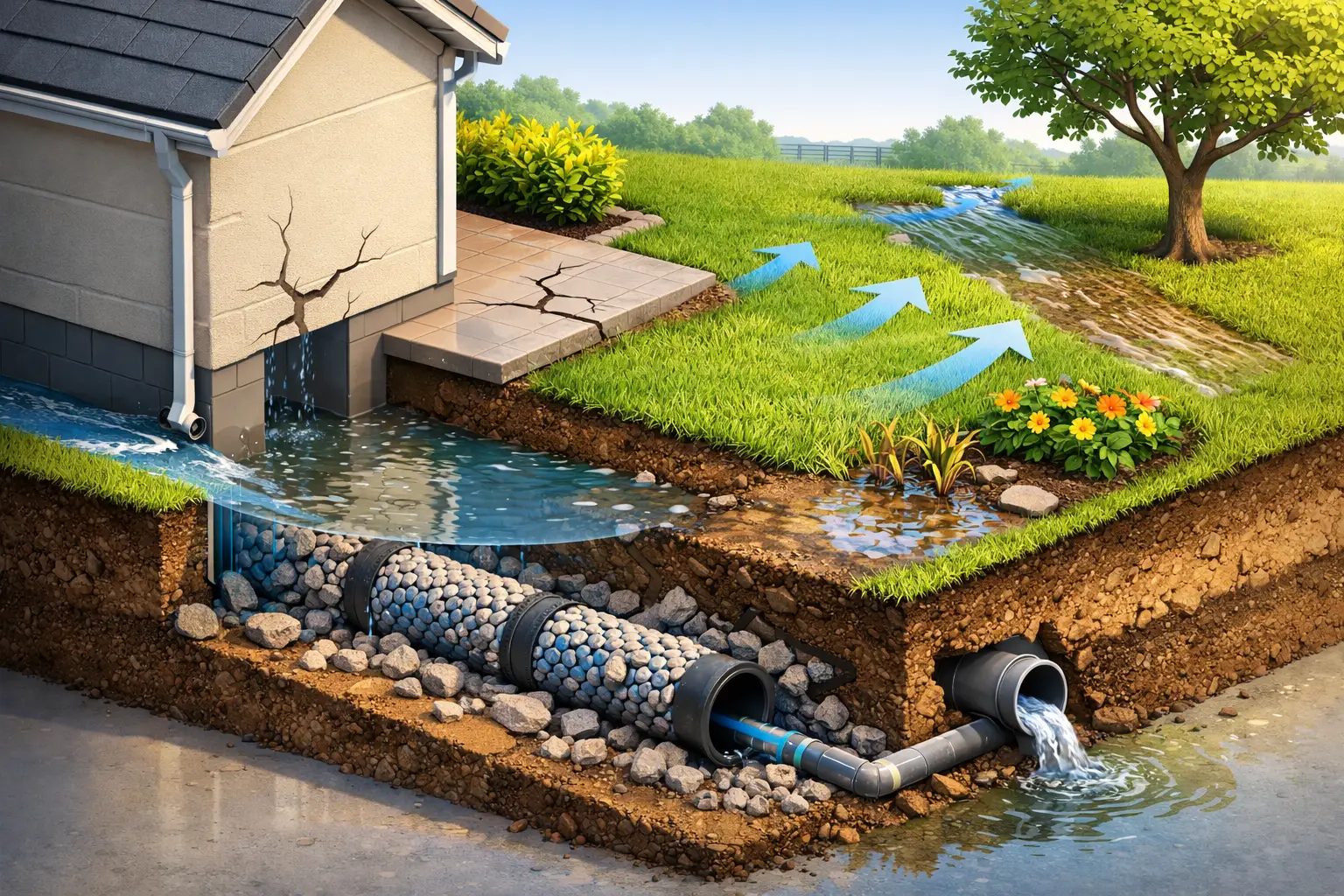
A French drain is a trench containing perforated pipe and clean stone, usually wrapped in a filter fabric. Water enters the stone, flows into the pipe, and is carried away to a safe discharge point. Depending on the problem, the system may be installed outside the foundation, along a low area of the yard, or inside a basement perimeter.
Its job is not to make water disappear. Its job is to intercept water and redirect it before it can build pressure against a foundation wall, enter the basement or crawlspace, or saturate the soil around footings.
That distinction matters. A drain must have a place to discharge, such as a properly designed outlet, a suitable drainage area, or a sump system. Installing perforated pipe without correcting the water source or providing a reliable exit path can create an expensive trench that does not solve the problem.
Signs You May Need a French Drain
The strongest reason to install a French drain is repeated water pressure or saturation around the home, not one isolated puddle after an unusually severe storm. Look for patterns that return whenever it rains, snow melts, or the ground becomes saturated.
Water enters the basement after rain
If basement water appears at the floor-wall joint, through cracks, or near one particular wall after rain, outside groundwater may be collecting against the foundation. As saturated soil presses against below-grade walls, water can find its way through weak points in concrete, masonry, joints, and penetrations.
An exterior French drain may reduce the amount of water reaching the wall. In some finished basements or homes where exterior excavation is impractical, an interior perimeter drainage system and sump pump may be the more realistic solution. The best option depends on the wall condition, access, landscaping, and source of the water.
Your crawlspace stays damp or smells musty
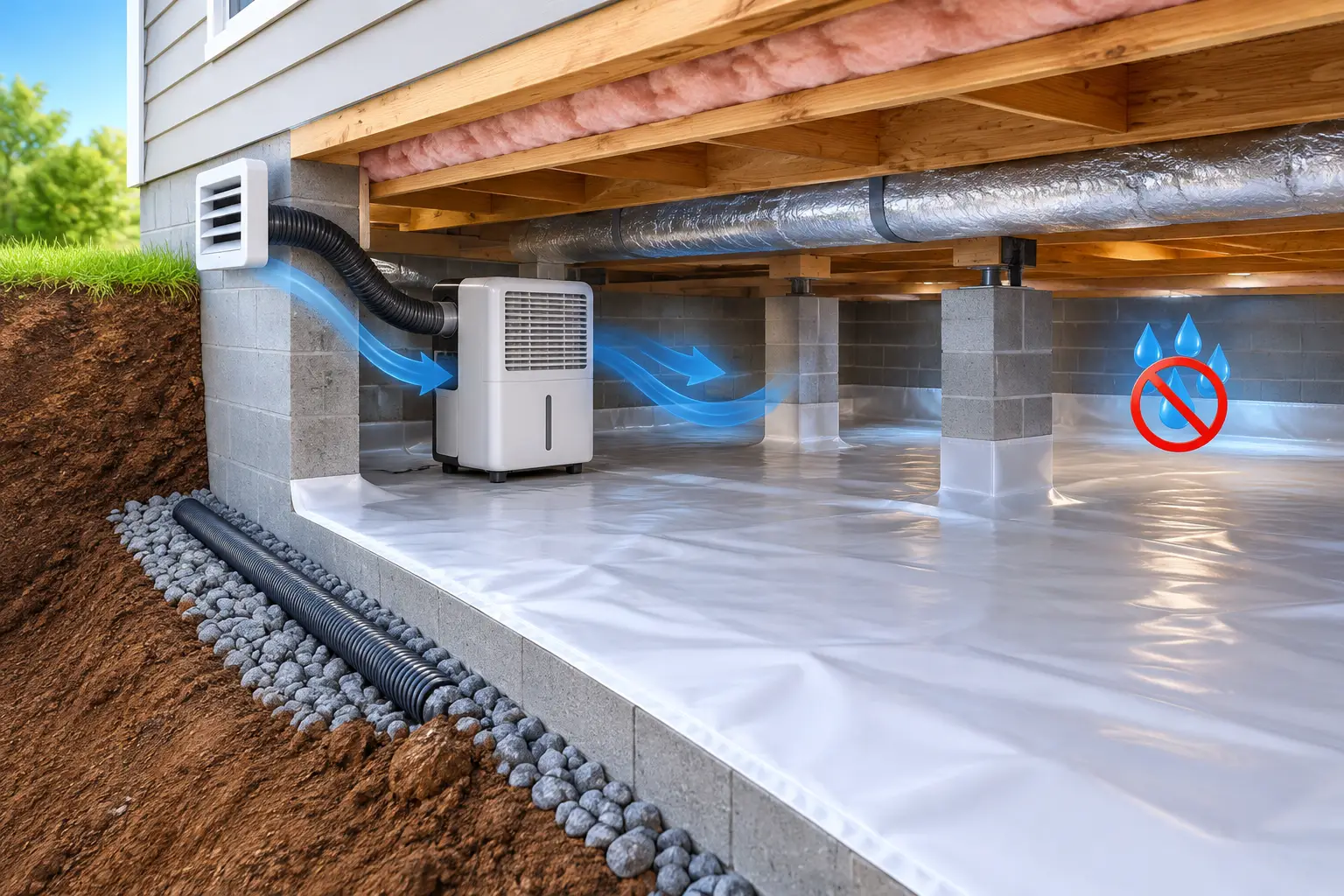
A crawlspace should not have standing water, wet insulation, or persistently damp soil. Moisture below the house can encourage mold growth, wood rot, pest activity, and deterioration of beams, joists, and subflooring. It can also make floors feel cold or begin to sag as framing loses strength.
A French drain can help when surface or groundwater is entering the crawlspace area. But drainage alone may not be enough. A complete moisture-control plan can also include downspout extensions, exterior grading, a sump pump, vapor barrier installation, and crawlspace encapsulation. The goal is to stop water at the source and control the moisture that remains.
Soil stays saturated near the foundation
Walk around the home a day or two after a normal rain. If the ground beside the foundation is still soft, muddy, or ponding while the rest of the yard dries, water may be trapped there. This is especially common where clay-heavy soil drains slowly, landscaping beds are built too high, or the yard slopes toward the house.
Saturated soil is more than a landscaping inconvenience. It can increase hydrostatic pressure against basement walls and contribute to shifting soil conditions around the foundation. A drainage system may be appropriate, but correcting the grade is often the first and simplest step.
Downspouts empty beside the house
Roof runoff can release a surprising amount of water next to the foundation during a storm. A clogged underground line, short downspout extension, or disconnected discharge pipe can concentrate that water in the exact area homeowners are trying to keep dry.
Before installing a French drain, make sure gutters are clean and downspouts carry water well away from the house. If the property has a persistent low area or runoff still returns toward the foundation, a French drain can be used as part of a larger drainage design.
You see foundation or wall warning signs
Water management and structural performance are closely connected. Watch for horizontal cracks in basement walls, inward bowing, stair-step cracks in masonry, widening wall cracks, sticking doors, uneven floors, or gaps where walls and ceilings meet.
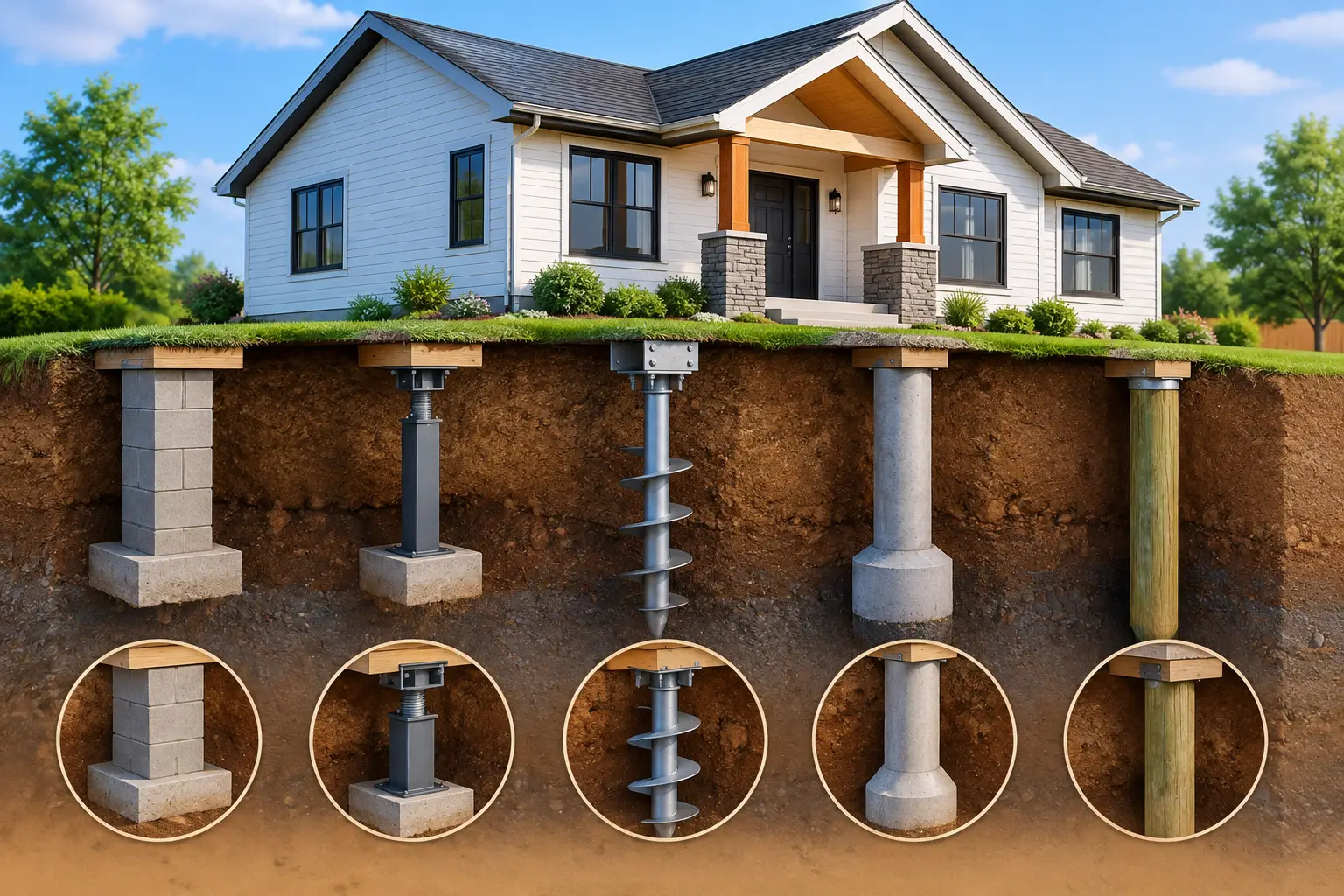
A French drain may reduce the water pressure contributing to those symptoms, but it will not straighten a bowing wall or restore a settled foundation. When structural distress is present, the home needs an engineering-based evaluation. Permanent repairs may require wall stabilization, foundation support, or framing repair in addition to drainage improvements.
When a French Drain Is Not the First Fix
Not every drainage concern requires excavation. Sometimes the problem is straightforward: a downspout ends too close to the house, mulch and soil have been piled above the siding line, or the landscaping slopes inward. Regrading the soil so it sheds water away from the foundation, extending downspouts, and repairing gutter drainage may resolve the issue at a lower cost and with less disruption.
A French drain is also not a substitute for repairing an active plumbing leak, sealing an obvious pipe penetration, or addressing a cracked sewer line. If water appears in dry weather, has an unusual odor, or is concentrated near plumbing fixtures, the source may not be groundwater at all.
Indoor humidity can be another separate issue. Condensation on cold pipes or basement walls may call for dehumidification, insulation, ventilation improvements, or crawlspace encapsulation rather than a yard drain. The key is identifying whether the moisture is entering from outside, rising from the soil, leaking from a system, or condensing from humid air.
Exterior vs. Interior French Drains
An exterior French drain is designed to collect water before it reaches the foundation. It can be highly effective when grading, landscape runoff, or groundwater is the main concern. Installation usually involves excavation around affected areas, so access, patios, decks, utilities, and mature landscaping must be considered.
An interior French drain is installed beneath or alongside the basement slab perimeter. Water that reaches the foundation footing is directed to a sump basin and pumped outside through a discharge line. This approach does not stop groundwater from reaching the exterior wall, but it relieves water beneath the slab and helps keep the basement usable and dry.
Neither approach is universally better. Exterior drainage protects the outside environment around the foundation, while interior drainage is often more accessible for existing finished landscapes and can be highly dependable when paired with a properly sized sump pump. A professional inspection should identify the route water is taking before a system is selected.
Why Diagnosis Matters Before Digging
Drainage work should solve a water path, not simply respond to a wet spot. A thorough evaluation looks at roof runoff, lot slope, soil conditions, foundation wall condition, exterior drainage routes, sump performance, and signs of structural movement. It also considers where collected water can legally and safely discharge without creating a new problem for the property or a neighbor.
For homeowners in Northern Virginia, Maryland, and Washington, DC, this is particularly important because many properties combine aging foundations, variable grades, heavy seasonal rain, and dense clay soils. What looks like a simple leak can involve several contributing conditions.
Foundation Works approaches moisture and foundation concerns by identifying the root cause first. If a French drain is the right answer, it should be designed as part of a permanent drainage strategy. If grading, gutter corrections, a sump system, crawlspace waterproofing, or structural repair is more appropriate, you deserve an honest recommendation instead of unnecessary excavation.
Water near a foundation is easiest to manage before it becomes a structural problem. If the same wet area keeps returning after storms, schedule a professional inspection while the evidence is still visible. A clear diagnosis can protect your basement, crawlspace, foundation, and the investment you have made in your home.