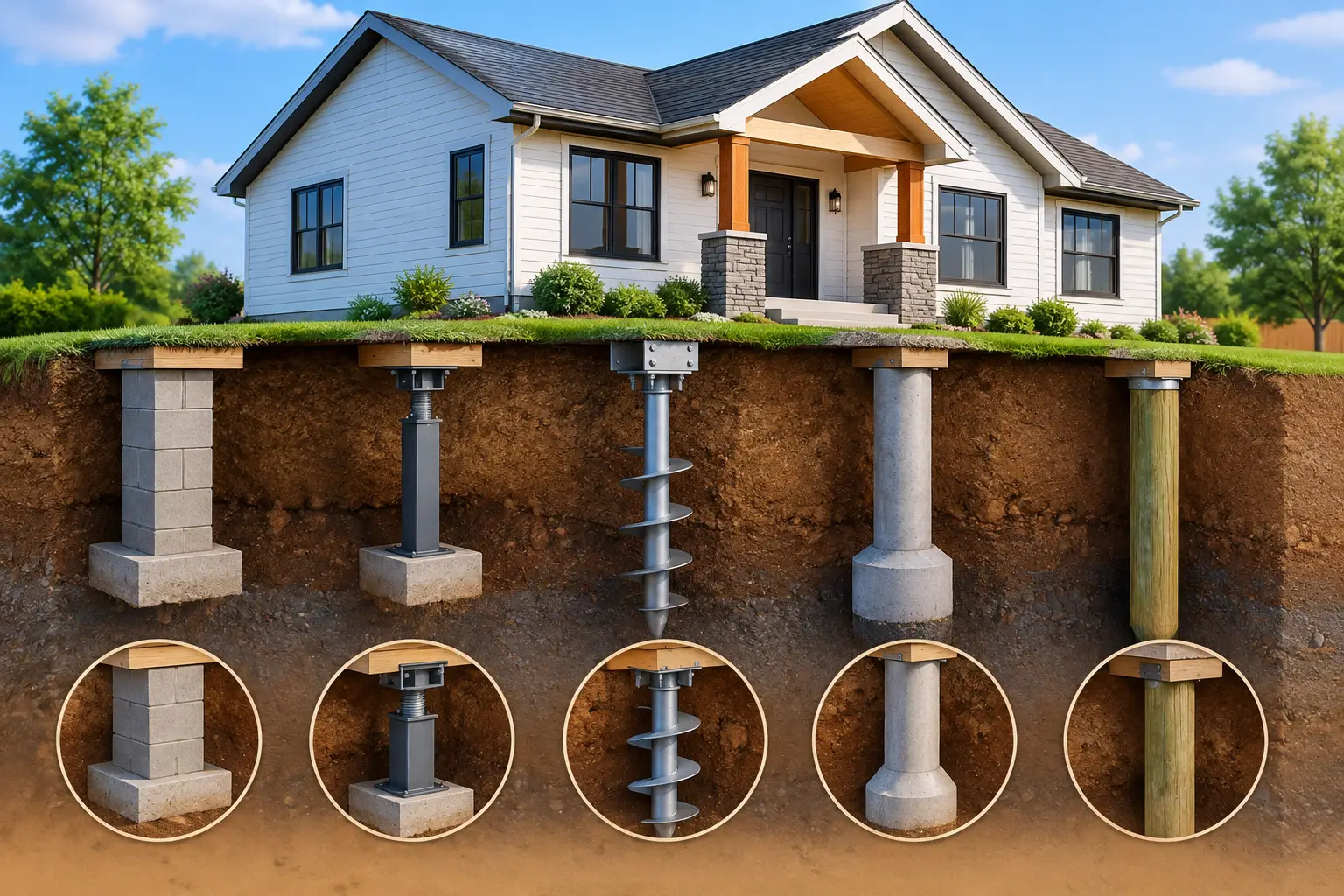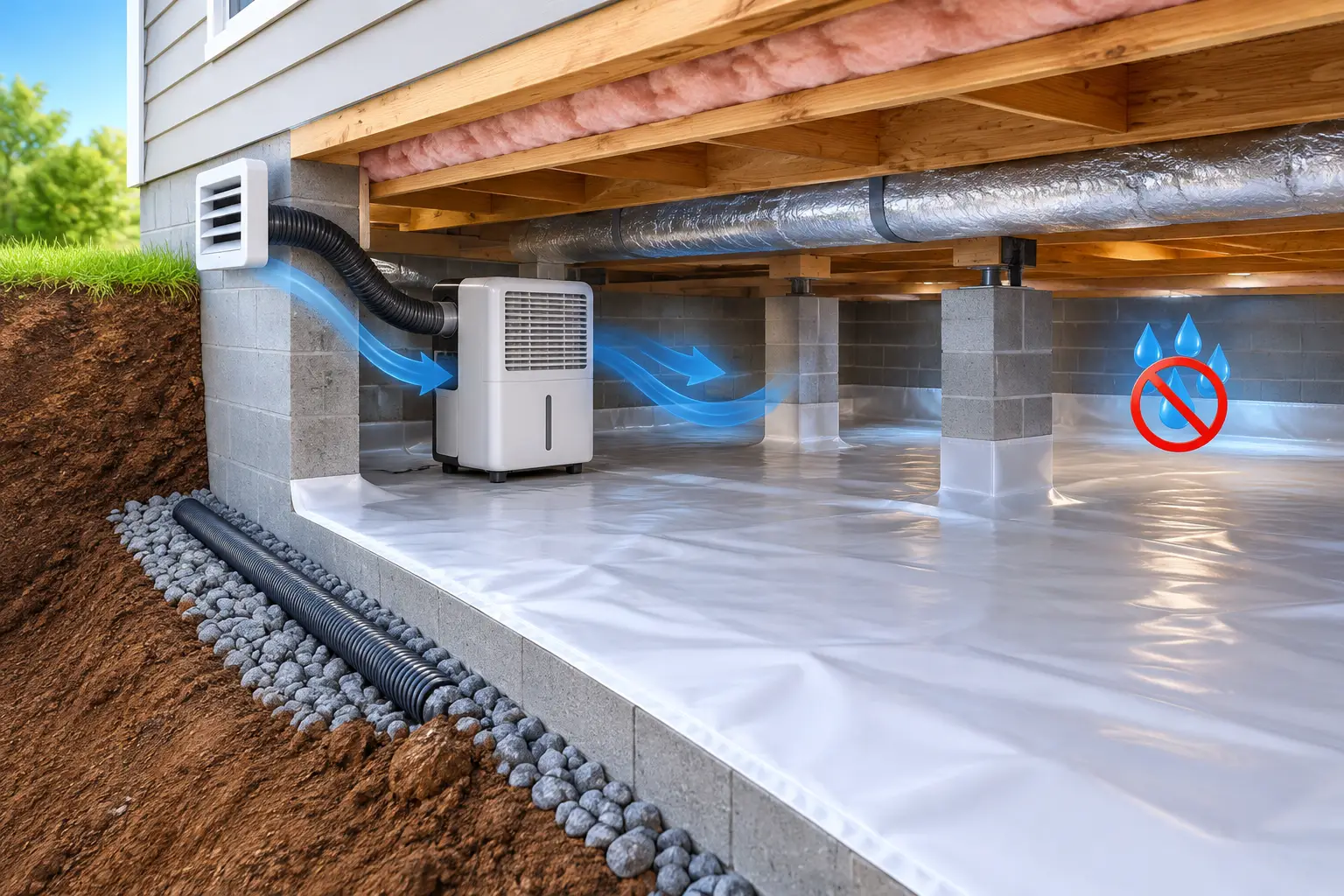

A damp basement is rarely just a basement problem. That musty odor, white residue on the walls, or puddle near the stairs may be evidence that water is building pressure against your foundation, moving through cracks, or draining toward the house instead of away from it. Effective basement waterproofing starts with finding that path – then stopping it at the source.
For homeowners in Virginia, Maryland, and Washington, DC, this matters because our seasonal rain, heavy clay soils, aging drainage systems, and freeze-thaw cycles can all put a foundation under repeated stress. A quick coating over a damp wall may hide the symptom temporarily. It does not necessarily relieve the water pressure or repair the conditions that caused the leak.
When Basement Waterproofing Is More Than a Moisture Fix
Water does not need a large opening to enter a basement. It can travel through hairline cracks, construction joints, window wells, pipe penetrations, and porous concrete. Once the soil around a home becomes saturated, water pushes against below-grade walls. This is called hydrostatic pressure, and it can force moisture through places that appear solid from the inside.
That pressure is why recurring water intrusion deserves attention. Over time, excess moisture can damage finished spaces, encourage mold growth, rot wood framing, corrode mechanical equipment, and contribute to foundation-wall movement. If a basement wall is cracking, bowing inward, or showing a horizontal crack along with water problems, waterproofing alone may not be enough. The wall may need structural stabilization as part of a complete repair plan.
Watch for warning signs that point to more than ordinary humidity:
- Water on the floor after rain or snowmelt
- A persistent musty smell, especially near exterior walls
- White, powdery mineral deposits on concrete or block walls
- Peeling paint, bubbling wall finishes, or warped baseboards
- Rust on furnace components, appliances, or stored tools
- Cracks that leak during storms or appear to widen over time
- Damp carpet, dark stains, or mold around a finished basement wall
A dehumidifier can improve the air, but it cannot stop groundwater from reaching the foundation. Likewise, patching an interior crack may be appropriate for a stable, isolated crack, but it will not correct a clogged footing drain, poor grading, or water collecting against the home.
Start With the Water Outside the House
The most durable repair often begins above ground. Rainwater should leave the roof, move through properly sized gutters and downspouts, and discharge well away from the foundation. The soil should slope away from the home so surface water does not settle beside the basement wall.
This sounds simple, but small drainage failures can create large problems. A downspout that empties beside a corner of the house can soak the same section of soil with every storm. A patio, mulch bed, or settled landscape that slopes toward the home can direct water into the foundation instead of away from it. In Northern Virginia’s clay-heavy soils, that repeated saturation can also cause soil expansion and added pressure on below-grade walls.
Correcting grading and roof runoff may solve minor water issues. However, it depends on what happens beneath the surface. If water continues to reach the footing level, if the property sits low, or if the original drainage system has failed, additional protection may be needed.
Exterior drainage protects the foundation first
Exterior waterproofing is designed to keep water from reaching the basement wall. It typically involves excavating around the foundation, cleaning and repairing the exterior wall surface, applying a waterproof barrier, and installing or replacing drainage at the footing. The drainage system collects groundwater and directs it to a suitable discharge point.
This approach addresses water on the outside, where the problem begins. It can be an excellent long-term solution when exterior access is practical and the foundation wall needs direct protection. The trade-off is that excavation is more involved. Decks, landscaping, porches, utility lines, and tight lot conditions may affect the scope and cost.
Exterior work should not be treated as a one-size-fits-all service. The right system depends on the foundation type, soil conditions, the source of water, existing drainage, and whether structural repairs are also necessary.
Interior drainage manages water that reaches the footing
An interior drainage system is often the practical choice when groundwater is reaching the footing and exterior excavation is not the best fit. A channel is installed along the inside perimeter of the basement to collect water before it rises onto the floor. That water is directed to a sump basin, where a sump pump discharges it safely away from the house.
Interior drainage does not stop rain from entering the soil outside. Instead, it relieves the water buildup at the foundation footing and gives it a controlled exit path. It is especially useful for homes with finished landscaping, limited exterior access, or recurring seepage at the wall-floor joint.
A dependable system needs more than a pump in a pit. The discharge line must carry water far enough from the home, the pump must be properly sized, and a backup plan should be considered when outages are common or the basement contains valuable finished space. A battery backup can provide protection during a storm-related power loss, but it should be selected based on the home’s water volume and expected run time.
Which Basement Waterproofing Solution Fits Your Home?
The right answer depends on the cause, not the appearance of the leak. A wall crack that only leaks during wind-driven rain may need a targeted crack repair and better window-well drainage. Water appearing along several walls and the floor perimeter after long storms points more often to groundwater and drainage issues. A finished basement with damp drywall may require selective removal so the source, wall condition, and hidden mold risk can be evaluated correctly.
Foundation cracks deserve careful diagnosis. Vertical cracks are often related to normal settlement or shrinkage, but they can still leak. Horizontal cracks, stair-step cracks in block walls, inward movement, or cracks paired with sticking doors and sloping floors may signal structural pressure or settlement. In these cases, applying sealant without addressing the movement can leave the homeowner with a recurring problem and a more expensive repair later.
The goal is not to sell the largest system. It is to identify whether the issue is surface runoff, groundwater, a failed drain, a crack, a window well, plumbing, condensation, or a structural defect. Sometimes the fix is straightforward. Sometimes the water problem and the structural problem must be addressed together for a permanent result.
Avoid the Shortcuts That Let Water Return
Waterproof paint, hydraulic cement, and foam products have limited roles. They may help with a small, properly diagnosed repair, but they are not substitutes for drainage or foundation stabilization. If water pressure remains outside the wall, coatings can blister, crack repairs can fail, and moisture may find another route into the basement.
Be cautious when a contractor recommends a solution before inspecting the outside drainage, the interior wall condition, and the foundation itself. A proper evaluation should explain where the water is coming from, why the proposed system fits that condition, where collected water will discharge, and whether there are signs of wall movement or settlement.
Homeowners should also ask how the work will affect the space. Will finished walls need to be removed? How will the crew protect floors and belongings? What is the plan for cleaning up concrete dust? Is the system designed to remain serviceable? Clear answers are a sign that the repair scope has been thought through, not simply priced from a symptom.
Protect the Basement Before the Next Heavy Storm
If you have noticed water, staining, odors, or new foundation cracks, document when and where the problem appears. Take photos after rain, note whether the sump pump runs, and look outside for overflowing gutters, short downspouts, and low soil near the foundation. Those details can help identify patterns, but they should not replace a professional inspection when water intrusion is recurring.
Foundation Works evaluates basement moisture and structural concerns with the same priority: identify the root cause, explain the options clearly, and recommend only the work the home needs. For a basement that is wet, musty, or showing signs of wall movement, a free, no-obligation inspection can replace guesswork with a practical plan before the next storm tests the foundation again.