
A musty odor near the first floor, damp insulation, dark staining on floor joists, or a room that never seems to feel dry can all point to a problem below the home. So, is crawlspace mold dangerous? It can be – not only because mold spores may affect indoor air quality, but because the moisture feeding that mold can quietly damage the wood structure supporting your home.
Mold in a crawlspace is not always an emergency, and not every dark mark on framing is active mold. But it should never be ignored. A proper inspection should identify what is growing, how widespread it is, where the moisture is coming from, and whether the crawlspace framing has already begun to deteriorate.
Why Crawlspace Mold Can Affect Your Home and Family
A crawlspace is connected to the rest of the house more than many homeowners realize. Air naturally moves upward through a home as warm air rises and exits through upper levels. That movement can pull air from the crawlspace into living areas through gaps around plumbing, wiring, ductwork, flooring, and wall cavities.
When a crawlspace has active mold growth, the air moving upward may carry mold spores, musty odors, and excess humidity with it. Some people have no noticeable reaction. Others may experience increased allergy-like symptoms, including nasal irritation, coughing, eye irritation, or worsening asthma symptoms. Young children, older adults, and people with respiratory conditions may be more sensitive.
The type of mold matters less than the conditions that allowed it to grow. Homeowners often worry about identifying a specific “toxic” mold, but visible growth of any kind is a sign that moisture control has failed. The practical priority is to stop the water or humidity source, correct the environment, and address affected materials appropriately.
The Larger Risk: Damage to Wood Framing
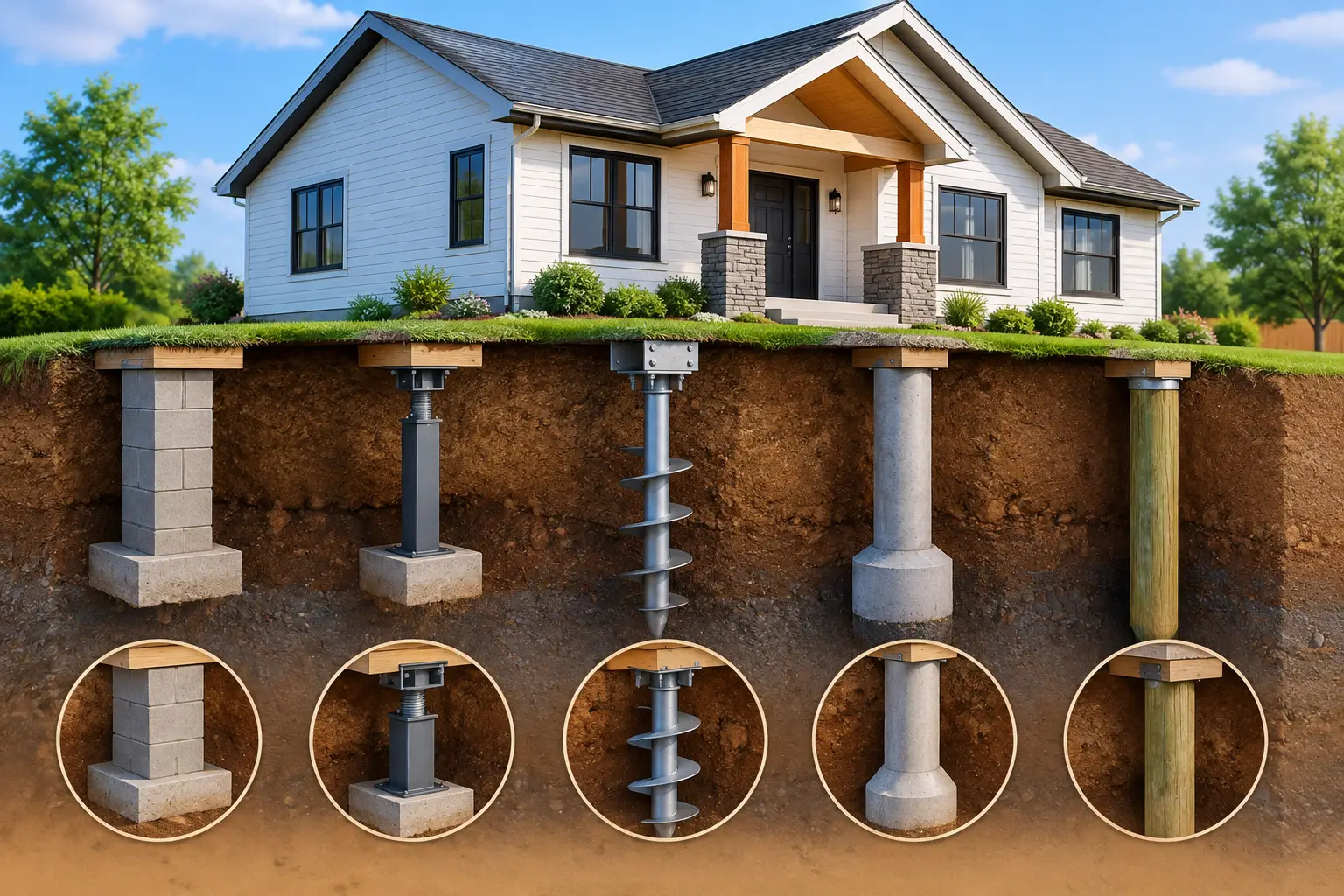
The health question gets attention, but the structural risk is often the more expensive issue. Crawlspace mold needs moisture to survive. That same long-term moisture can lead to wood rot, weakened floor joists, deteriorating beams, damaged subflooring, and failing support systems.
Early damage may show up upstairs as floors that feel soft, uneven, or bouncy. You may notice gaps between flooring and baseboards, doors that stick, or furniture that seems to sit unevenly. In more advanced cases, floors can sag because joists or girders have lost strength.
Mold itself does not automatically mean the framing is structurally unsound. A small, isolated area found early may require limited cleanup and moisture correction. However, widespread growth on joists, sill plates, insulation, or subflooring deserves a close evaluation. The goal is to determine whether the wood is simply surface-stained, actively decaying, or no longer capable of carrying its intended load.
Common Signs of Mold in a Crawlspace
You may never enter your crawlspace, but the warning signs often appear inside or around the home. A persistent earthy or musty smell is one of the most common. Condensation on ducts, pipes, or insulation is another clue that humidity is too high.
Look for cupping or buckling hardwood floors, peeling finishes, elevated indoor humidity, damp carpets near exterior walls, or recurring mildew odors after rain. Outside, poor grading, overflowing gutters, short downspout extensions, and standing water near the foundation can all contribute to crawlspace moisture.
Inside the crawlspace, visible fuzzy growth, black, green, white, or gray discoloration, wet insulation, rusty metal components, and damp soil all warrant attention. Do not assume every dark spot is mold or that every mold condition requires the same scope of work. Accurate diagnosis protects you from both underreacting and paying for work you do not need.
What Causes Crawlspace Mold?
Mold is a moisture problem first. In Virginia and Maryland, humid summers, heavy rain, seasonal groundwater, and older drainage systems can create ideal conditions below a home. Crawlspaces are especially vulnerable because they are enclosed, cool, and often poorly managed for moisture.
The source may be surface water running toward the foundation, groundwater entering through the perimeter, a plumbing leak, condensation from uninsulated pipes or ductwork, or humid outdoor air entering through open vents. In some homes, several sources are at work at once.
This is why spraying a cleaner on visible mold is rarely a permanent fix. If water continues to enter or humidity remains high, growth can return. Covering stains, replacing insulation, or adding a dehumidifier without addressing drainage and air control may improve appearances temporarily while allowing the real problem to continue.
Is Crawlspace Mold Dangerous to Your Property Value?
It can be. Buyers and home inspectors frequently flag crawlspace mold, wood rot, moisture staining, standing water, and inadequate vapor barriers because these conditions raise questions about maintenance and structural integrity. Even when a sale is not on the horizon, unresolved moisture can make future repairs larger and more disruptive.
A documented, root-cause repair is different from a cosmetic cleanup. When the moisture source has been corrected and the crawlspace environment is properly controlled, homeowners can show that they addressed the issue responsibly rather than leaving a hidden problem for the next owner.
The Right Way to Address Crawlspace Mold
The correct repair depends on what the inspection finds. A lasting plan starts by locating every path water and humid air are using to enter the crawlspace. That may involve improving exterior drainage, managing groundwater, repairing leaks, or correcting other water-intrusion issues.
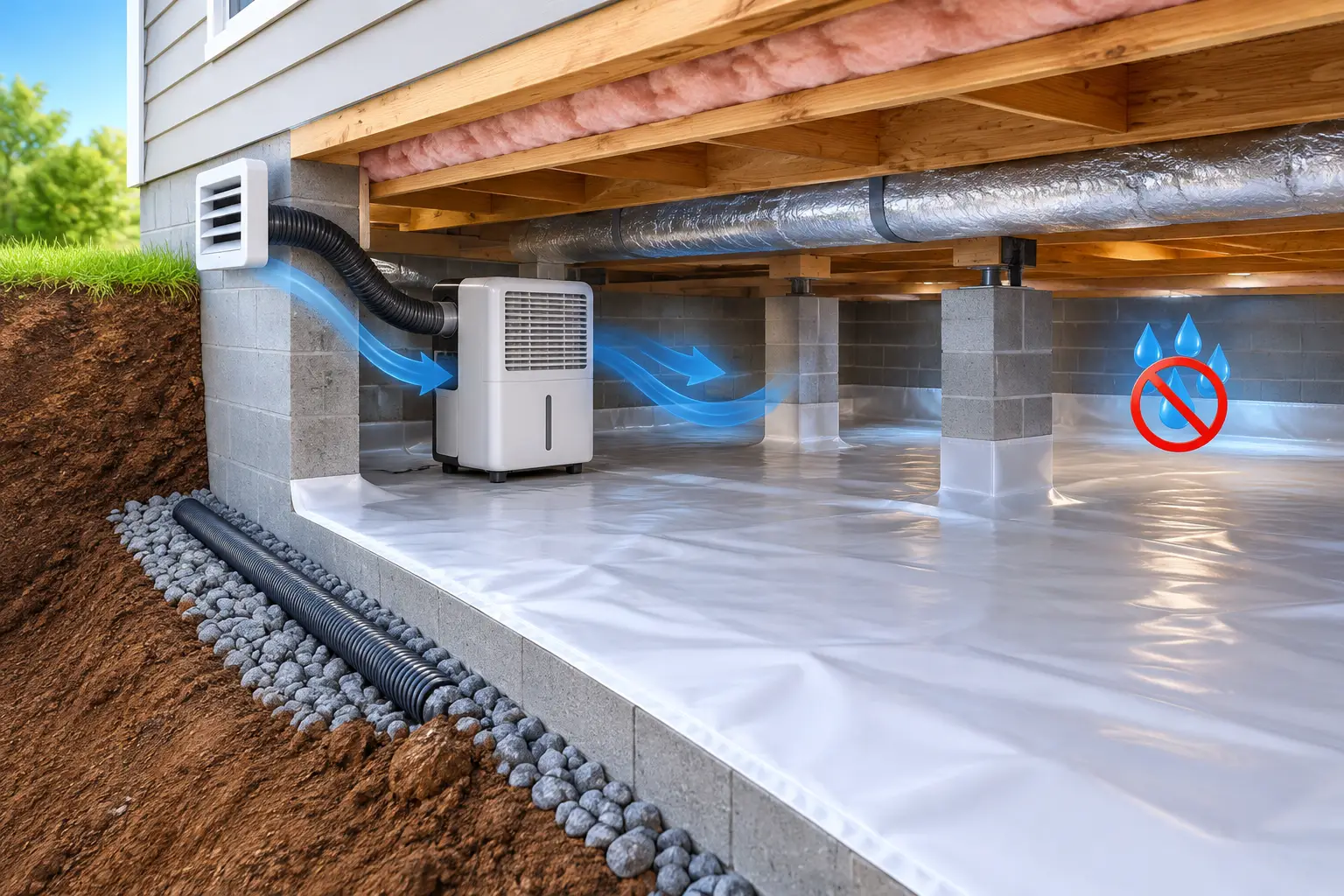
Once water is controlled, the crawlspace may need a durable vapor barrier or full encapsulation system to separate the home from damp soil and outside humidity. Depending on conditions, drainage components and a properly selected dehumidification approach may also be needed to keep humidity at a safe, stable level.
Affected materials then need to be evaluated. Wet or contaminated insulation may need replacement. Wood framing should be examined for rot, insect damage, and loss of structural capacity. If joists, beams, or support posts have been compromised, repairs should restore support rather than simply conceal the damage.
This sequence matters. Cleaning visible growth before correcting moisture can be wasted effort. Installing a barrier without solving active water entry can trap moisture where it does not belong. Engineering-based diagnosis helps ensure the repair scope fits the actual problem.
What Homeowners Should Not Do
Avoid entering a crawlspace with extensive visible growth, standing water, damaged wiring, or sagging framing without proper protection and training. Disturbing moldy insulation or wood can spread particles, and a weakened floor system may create a safety hazard.
It is also wise to avoid relying on bleach as a whole-crawlspace solution. Bleach does not correct humidity, drainage, or wood decay. Similarly, do not close vents, install a vapor barrier, or run a portable dehumidifier as a stand-alone fix without understanding the moisture conditions. Those steps can help in the right system, but the wrong approach can leave water and humidity problems unresolved.
When to Schedule a Crawlspace Inspection
Schedule an inspection promptly if you smell persistent mustiness, see mold or wet insulation, find standing water, notice sagging or uneven floors, or discover rot on beams and joists. These are not problems that improve with time. Moisture can continue working long after the odor fades or the visible area is covered.
Foundation Works evaluates crawlspace moisture and structural concerns with the same goal homeowners have: identify the cause, explain the real condition clearly, and recommend permanent repairs only when they are needed. A professional assessment can separate a manageable moisture issue from a developing structural repair.
Your crawlspace may be out of sight, but it is holding up every room above it. Addressing mold at its source protects the air your family breathes, the framing under your floors, and the long-term value of your home.