
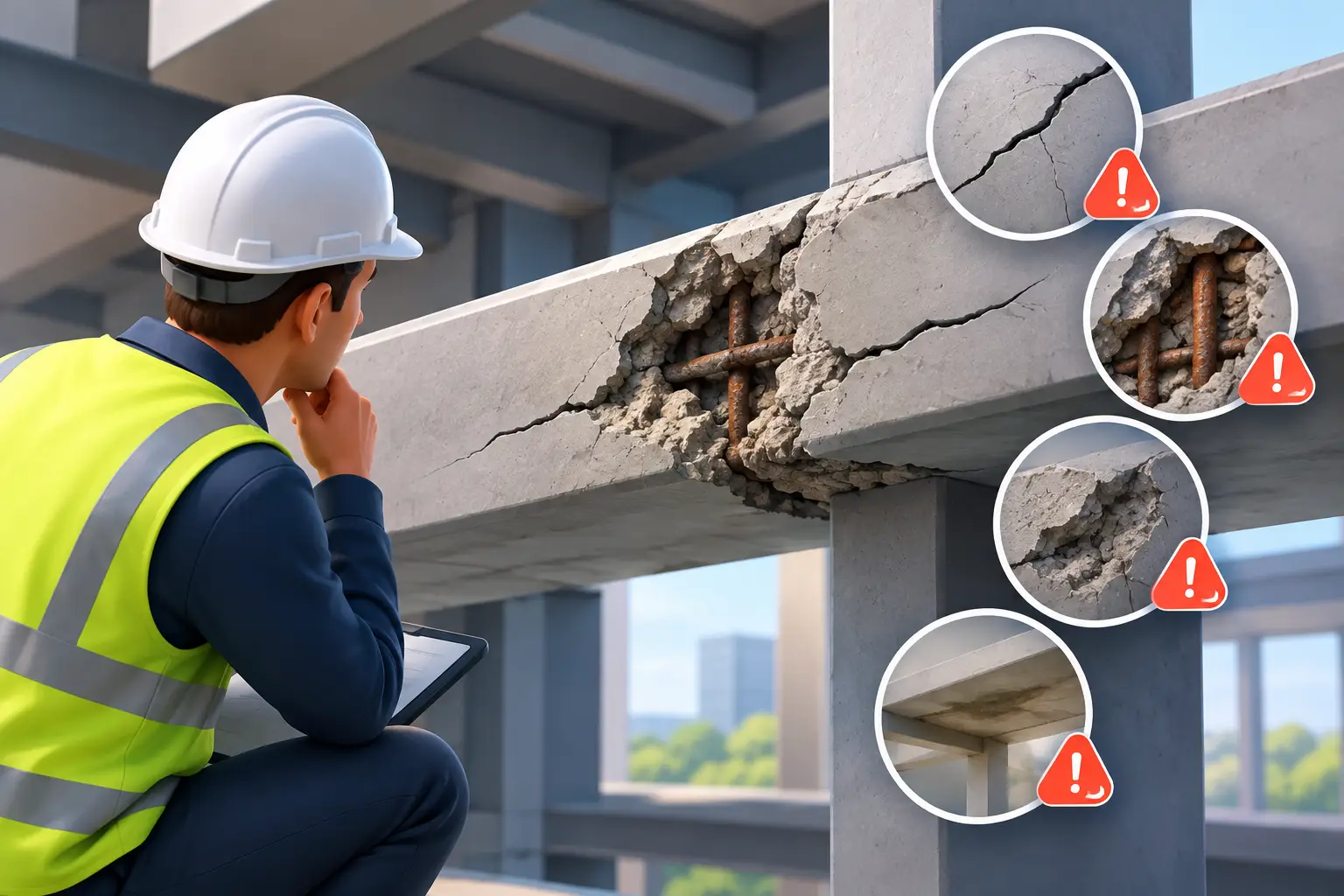
A floor that feels soft near the kitchen, a new dip in the hallway, or doors that suddenly will not latch can be more than an annoyance. These are common failing beam symptoms, especially in homes with crawlspaces, basements, aging framing, or ongoing moisture exposure. A support beam carries the weight of the structure above it. When it begins to weaken, the effects often show up throughout the home long before the beam itself is visible.
The good news is that not every uneven floor means the house is in immediate danger. The concern is whether the movement is active, worsening, or connected to moisture damage, wood rot, inadequate support, or foundation settlement. A professional structural inspection can separate a cosmetic issue from a problem that needs a permanent repair plan.
Common Failing Beam Symptoms in a Home
A failing beam rarely announces itself with one dramatic event. More often, homeowners notice a collection of changes that seem unrelated at first. The floor shifts slightly, a crack appears above a doorway, and a room starts to feel uneven. Together, those signs can point to framing distress below.
Sagging, sloping, or bouncy floors
A floor that slopes toward the center of a room or feels noticeably springy underfoot is one of the clearest warning signs. A weakened beam may deflect under normal household loads, causing the floor system above it to lose support. You may also notice a low spot where furniture appears to lean or a floor that has become difficult to level during a renovation.
Minor variations can occur in older homes, particularly where original framing was built to older standards. But a floor that is getting worse, feels soft, or has a visible dip deserves prompt attention. Waiting allows the beam, joists, subfloor, and finishes above to continue moving.
Cracks in walls, ceilings, and finishes
When a beam drops or shifts, the framing above it can pull against drywall, trim, and door openings. Cracks may appear near interior door frames, at the corners of windows, along ceiling seams, or where walls meet ceilings. These cracks do not prove that a beam is failing on their own, since seasonal movement and normal settling can also affect finishes.
The pattern matters. Cracks that widen, return after patching, or appear alongside sloping floors and sticking doors are more concerning than a single hairline crack in an isolated area.
Doors and windows that stick or will not close properly
A shifting support system can put door and window frames out of square. A door that drags, pops open, or suddenly needs force to latch may be responding to movement in the floor or wall framing. If several doors on the same level begin acting differently at once, that is a stronger signal than one older door with a worn hinge.
Visible beam damage in the basement or crawlspace
If you can see the beam, look for sagging, splitting, deep cracks, rot, insect damage, or areas that appear crushed at support points. Wood that looks dark, soft, flaky, or fibrous may have been exposed to moisture for an extended period. A beam may also be compromised where it rests on a post, masonry pocket, or foundation wall.
Do not poke or pry at damaged wood, particularly if the beam is visibly sagging. Disturbing a weakened structural member can make an already unstable condition worse.
Posts that lean, sink, or lack proper support
A beam depends on the posts and footings beneath it. Even a sound beam can sag when a support post settles into weak soil, sits on an inadequate footing, or deteriorates from moisture exposure. In crawlspaces, temporary-looking posts, stacked blocks, shims, or makeshift supports should be evaluated carefully. They may conceal an older repair that did not address the cause of the movement.
Why Support Beams Fail
The repair must match the cause. Adding a post beneath a sagging beam may help in some cases, but it will not solve active wood rot, poor drainage, failing joists, or a settling foundation. An honest inspection starts by identifying what changed and why.
Moisture is one of the most frequent causes in Virginia and Maryland homes. Water entering a crawlspace or basement raises humidity levels and can keep structural wood damp for long periods. Over time, damp wood becomes vulnerable to fungal decay, while wet soil beneath the home can contribute to poor support conditions. Musty odors, condensation, standing water, and mold growth often accompany moisture-related framing damage.
Inadequate original support is another common issue. A beam may have been undersized for the span it carries, improperly supported during a past remodel, or loaded beyond what it was designed to handle. Removing a wall, adding heavy finishes, or changing the layout above can alter how weight travels through the home.
Foundation settlement can also affect a beam system. When piers, footings, or foundation walls move, the supports beneath the beam can shift with them. In that situation, repairing only the beam without stabilizing the supporting structure can lead to recurring floor problems.
When Failing Beam Symptoms Become Urgent
Call for a professional evaluation quickly if a floor has dropped suddenly, a beam has a pronounced sag, a support post is leaning, or wood appears severely decayed. The same applies if you hear new cracking or popping sounds, see large and expanding cracks, or notice that a door or wall has shifted rapidly.
Avoid storing heavy materials over a visibly sagging area. Do not try to jack up a floor with a vehicle jack or install temporary supports without a repair plan. Lifting structural framing too quickly can crack finishes, damage plumbing, or transfer stress to already weakened components. More importantly, a temporary lift does not correct the moisture, settlement, or support problem that caused the beam to fail.
How a Professional Beam Inspection Finds the Real Problem
A meaningful inspection looks beyond the visible sag. The inspector should assess the beam, floor joists, posts, footings, foundation walls, moisture conditions, drainage patterns, and the layout of the home above. Measurements of floor elevation and beam deflection help determine whether movement is isolated or part of a broader structural issue.
This process also distinguishes between conditions that need repair now and concerns that can be monitored. For example, an old floor may have a slight, stable slope with no decay or active movement. That is different from a floor that is continuing to drop because moisture has weakened the beam and joists beneath it.
At Foundation Works, recommendations are built around the source of the problem, not a one-size-fits-all fix. Depending on the inspection findings, a permanent scope may include replacing damaged structural wood, reinforcing or supporting a beam, correcting failing posts or footings, stabilizing foundation components, and controlling the water or humidity that created the damage.
Protect the Structure Before the Damage Spreads
Beam damage tends to affect more than one part of a house. As support weakens, floors sag, trim separates, doors bind, and plumbing or electrical systems may be placed under stress. The longer moisture or movement continues, the more extensive the restoration can become.
If you have noticed several failing beam symptoms, schedule a free, no-obligation inspection before minor movement becomes a larger structural repair. A clear diagnosis gives you the information to protect your home, your family, and the value you have worked hard to build.

