
A hairline crack that stays the same for years may be cosmetic. A crack that lengthens, widens, or returns after patching is a different story. Knowing how to stop foundation movement starts with recognizing that the concrete is usually not the original problem. Water, unstable soil, poor drainage, or deteriorating structural supports may be placing pressure on the home from below or beside it.
Foundation movement can feel alarming, especially when doors begin sticking, floors slope, or basement walls show new cracks. The good news is that many homes can be stabilized with the right repair plan. The key is to identify the cause early and correct it with a permanent solution – not just cover the visible damage.
How to Stop Foundation Movement: Find the Cause First
Foundations move when the soil or structural conditions around them change. In Northern Virginia and nearby Maryland communities, heavy rain, seasonal temperature swings, clay-rich soil, aging drainage systems, and groundwater can all contribute to those changes.
Soil expands when it absorbs water and contracts when it dries. If one side of a home holds more moisture than another, the foundation can settle unevenly. Water pressure can also build against basement walls, causing them to crack, bow inward, or shift over time. In crawlspaces, excess moisture may weaken wooden beams, floor joists, and support posts, leading to sagging floors above.
A proper diagnosis should determine whether the movement is active, what is causing it, and which parts of the structure need support. Filling cracks without answering those questions can hide a warning sign while the underlying issue continues.
Watch for Signs of Active Movement
Not every crack means a home is failing. Concrete naturally shrinks as it cures, and minor surface cracks can occur without affecting structural performance. What matters is the pattern, location, and change over time.
Pay close attention if you notice several symptoms together, particularly if they appeared recently or have become more noticeable:
- Stair-step cracks running through brick or block walls
- Cracks wider at one end, especially near windows and doors
- Basement walls bowing, leaning, or showing horizontal cracks
- Doors and windows that stick, separate from their frames, or will not latch
- Sloping, bouncing, or sagging floors over a basement or crawlspace
- Gaps between walls, ceilings, trim, or exterior brick
One symptom may have a simple explanation. Several symptoms can point to settlement, hydrostatic pressure, or failing framing. Take clear photos and note when you first saw the changes. That information can help a foundation professional determine whether the condition is progressing.
Control Water Around the Home
Water management is often the most important part of stopping further foundation movement. A structural repair can stabilize a wall or support a settling section of foundation, but continuing to direct water toward the house may create new pressure and moisture problems.
Keep roof runoff away from the foundation
Gutters should be clean, securely attached, and sized to handle heavy rain. Downspouts need to discharge well away from the foundation rather than emptying beside the basement wall or crawlspace entry. A missing extension can allow thousands of gallons of roof runoff to saturate the same small area of soil over a season.
Also look for overflowing gutters, damaged downspouts, and splash marks on siding or soil. These are simple warning signs that water is not being carried where it needs to go.
Improve the grade around the house
The soil around the foundation should slope away from the home so surface water drains outward. Over time, mulch beds, landscaping, settling soil, patios, and walkways can create low spots that trap water against the structure.
Grading alone is not always enough, particularly on properties with a high water table or homes built into a slope. Still, correcting obvious negative grading is an important first line of defense. Avoid piling mulch or soil against siding, too. That can retain moisture and conceal developing issues.
Address basement and crawlspace moisture
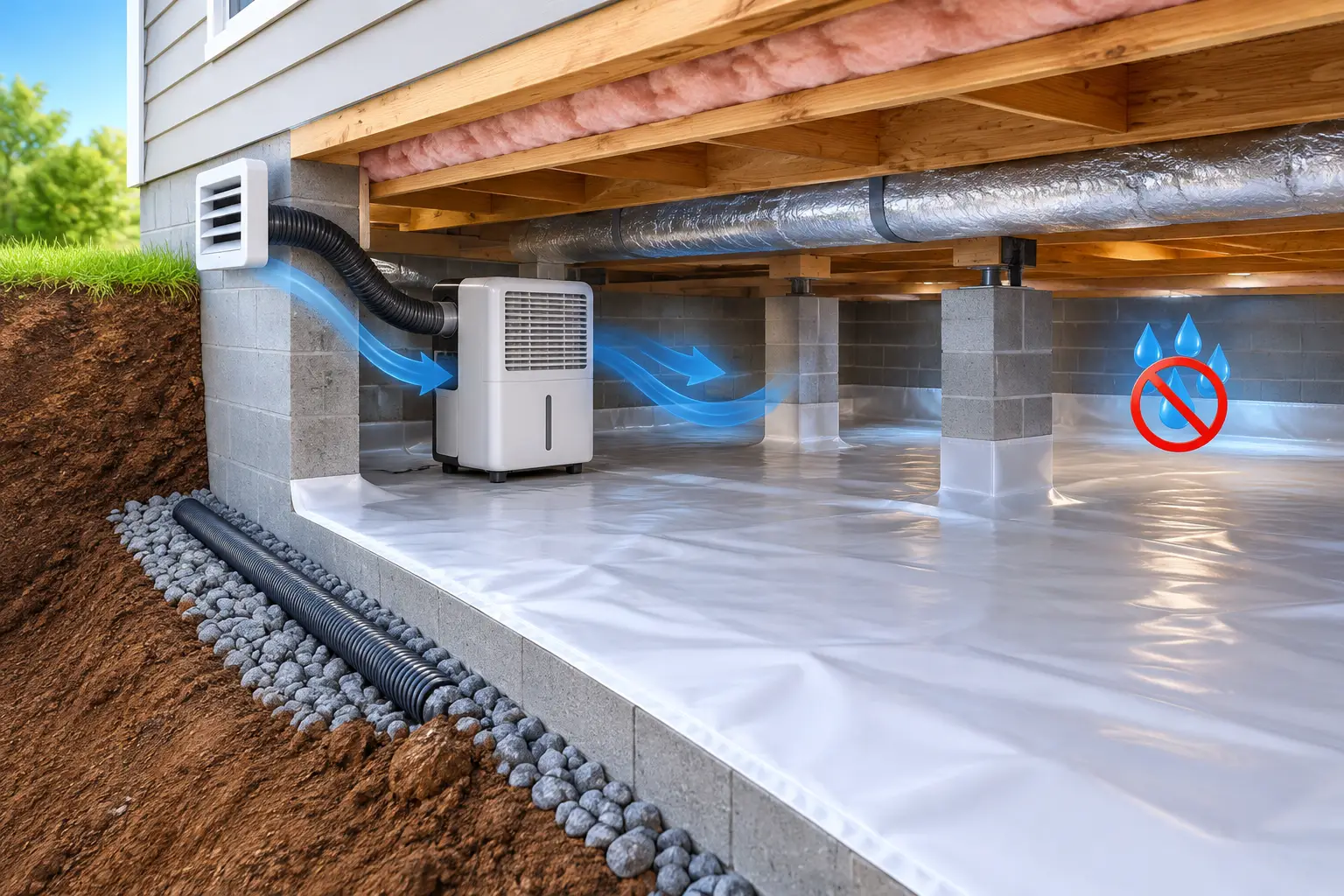
Standing water, damp walls, musty odors, mold growth, and wet insulation are not conditions to ignore. They can signal drainage failures or water entering through foundation cracks and joints. In a crawlspace, prolonged moisture can lead to wood rot and weakened floor framing. In a basement, water pressure can contribute to cracking and inward wall movement.
The right solution depends on where the water is coming from. Some homes need interior drainage and a sump system, while others benefit from exterior drainage improvements, crack repair, waterproofing, or crawlspace encapsulation. The goal is not simply to dry the visible area. It is to control the source of moisture and reduce pressure on the foundation.
Stabilize Settlement Before It Gets Worse
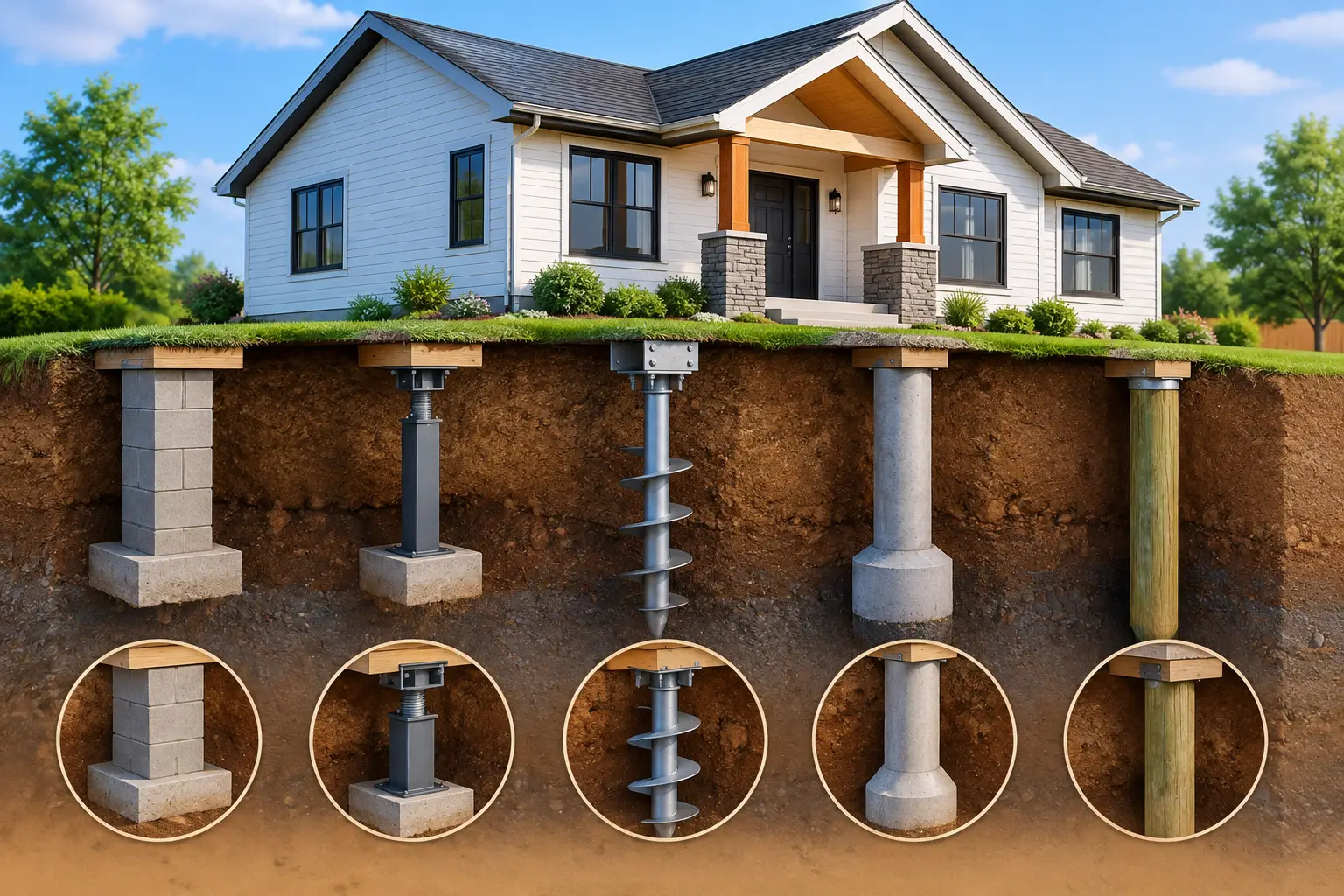
If a foundation is settling because the supporting soil has weakened, shifted, or cannot carry the home’s load, drainage corrections by themselves may not reverse the movement. The affected section may need to be stabilized with an engineered support system installed beneath the foundation.
Foundation piers can transfer the home’s weight to more stable soil or bedrock below unstable upper layers. Depending on the condition of the structure, piers may stabilize the foundation in its current position or allow for carefully controlled lifting where appropriate. Lifting is not always the goal. In many cases, preventing additional movement is the most practical and responsible outcome.
This is why an honest evaluation matters. A contractor should explain what the measurements show, whether the damage appears active, and what degree of correction is realistic. Promises that every crack will disappear or every floor will become perfectly level can overlook the age and construction of the home.
Repair Bowing Walls and Failing Supports
Foundation movement is not limited to downward settlement. Basement walls can shift inward when saturated soil presses against them, especially after repeated wet seasons. Horizontal cracks, inward bowing, and wall displacement require prompt attention because the pressure usually does not resolve on its own.
Permanent wall stabilization systems are designed to resist that lateral force and prevent further inward movement. The correct approach depends on the wall material, degree of movement, access around the home, and the water conditions outside the foundation.
For homes with crawlspaces, the concern may be underneath the living space. Damaged beams, weakened joists, rotted wood, and inadequate support posts can make floors feel soft or uneven. Structural restoration can reinforce or replace compromised components and add proper support where needed. Just as with basement repairs, moisture control must be part of the plan when water caused the damage.
Do Not Rely on Cosmetic Repairs Alone
Caulk, mortar patching, paint, and crack filler can improve appearance, but they do not stop active foundation movement. These materials may be appropriate after the structure is stabilized and water issues are corrected. They are not a substitute for diagnosis.
Be cautious about making major landscaping or drainage changes without understanding the full problem. Adding soil near the house, for example, may improve the slope but can create other issues if it covers siding, blocks vents, or directs water toward a neighboring low area. Likewise, watering dry soil near a foundation may temporarily reduce soil shrinkage in some conditions, but it will not repair settlement or compensate for poor drainage.
The safest approach is to address urgent water concerns, document visible changes, and have the home assessed before damage spreads.
When to Schedule a Foundation Inspection
Schedule an inspection soon if cracks are growing, walls are bowing, floors are dropping, or water is entering the basement or crawlspace. Do not wait for a real estate sale, a major storm, or a door that will no longer close. Early repairs are often less invasive than waiting until framing, walls, finishes, and drainage systems have all been affected.
A professional inspection should provide clear answers, not pressure. Foundation Works evaluates the full system – soil conditions, drainage, foundation walls, framing, and moisture exposure – so homeowners can understand whether a concern is cosmetic, needs monitoring, or requires repair.
Your home does not need to look dramatic before it deserves attention. If something has changed, getting a straightforward evaluation now can protect your family’s safety, your home’s structure, and the investment you have worked hard to build.