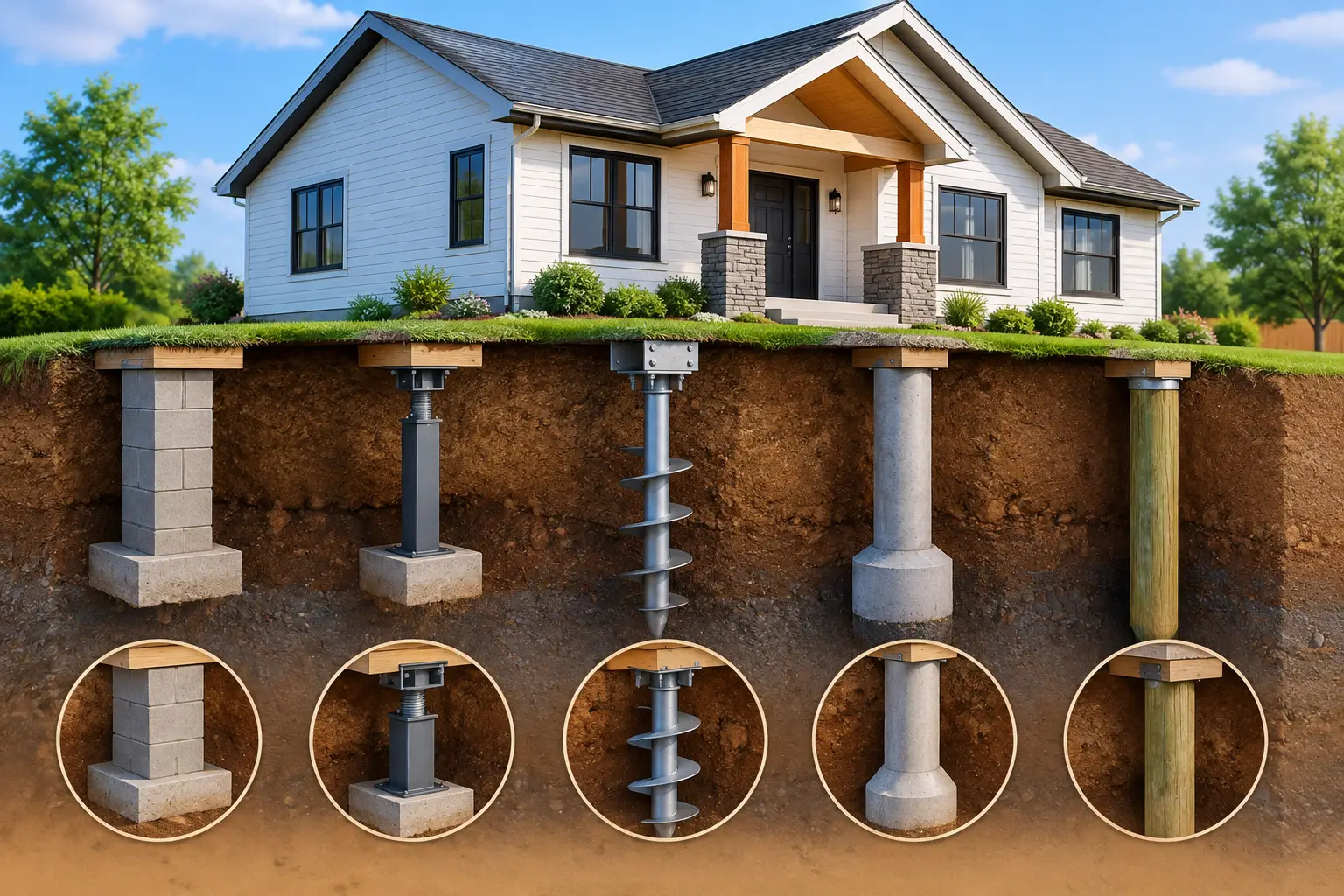
A damp crawl space is rarely just a crawl space problem. Moisture below your home can feed mold growth, rot wooden framing, weaken insulation, attract pests, and contribute to soft or uneven floors above. Crawl space waterproofing addresses the conditions allowing water and humid air to remain under your home – before a manageable moisture issue becomes an expensive structural repair.
For homeowners in Virginia and the Maryland metropolitan region, this is especially relevant after prolonged rain, seasonal humidity, or drainage problems around an older home. The right solution is not simply covering up the evidence of moisture. It starts with finding where the water is coming from and correcting that source.
Signs Your Crawl Space Has a Moisture Problem
You may not enter your crawl space often, but the rest of the house often provides clear warning signs. A persistent musty smell, especially after rain or during humid weather, is one of the most common. That odor can travel through gaps around plumbing, ductwork, and floor penetrations into your living space.
Floors that feel soft, sag, slope, or bounce can also point to excessive moisture beneath the home. Wood joists, beams, and subflooring lose strength when they stay damp for long periods. In some homes, doors begin sticking or interior trim develops gaps as the framing shifts or floors move.
Other signs include visible mold, damp or falling insulation, standing water, rusted metal supports, condensation on pipes, and white mineral staining on masonry. None of these conditions should be dismissed as normal for a crawl space. A dry, controlled crawl space helps protect the structure above it.
Why Crawl Spaces Get Wet
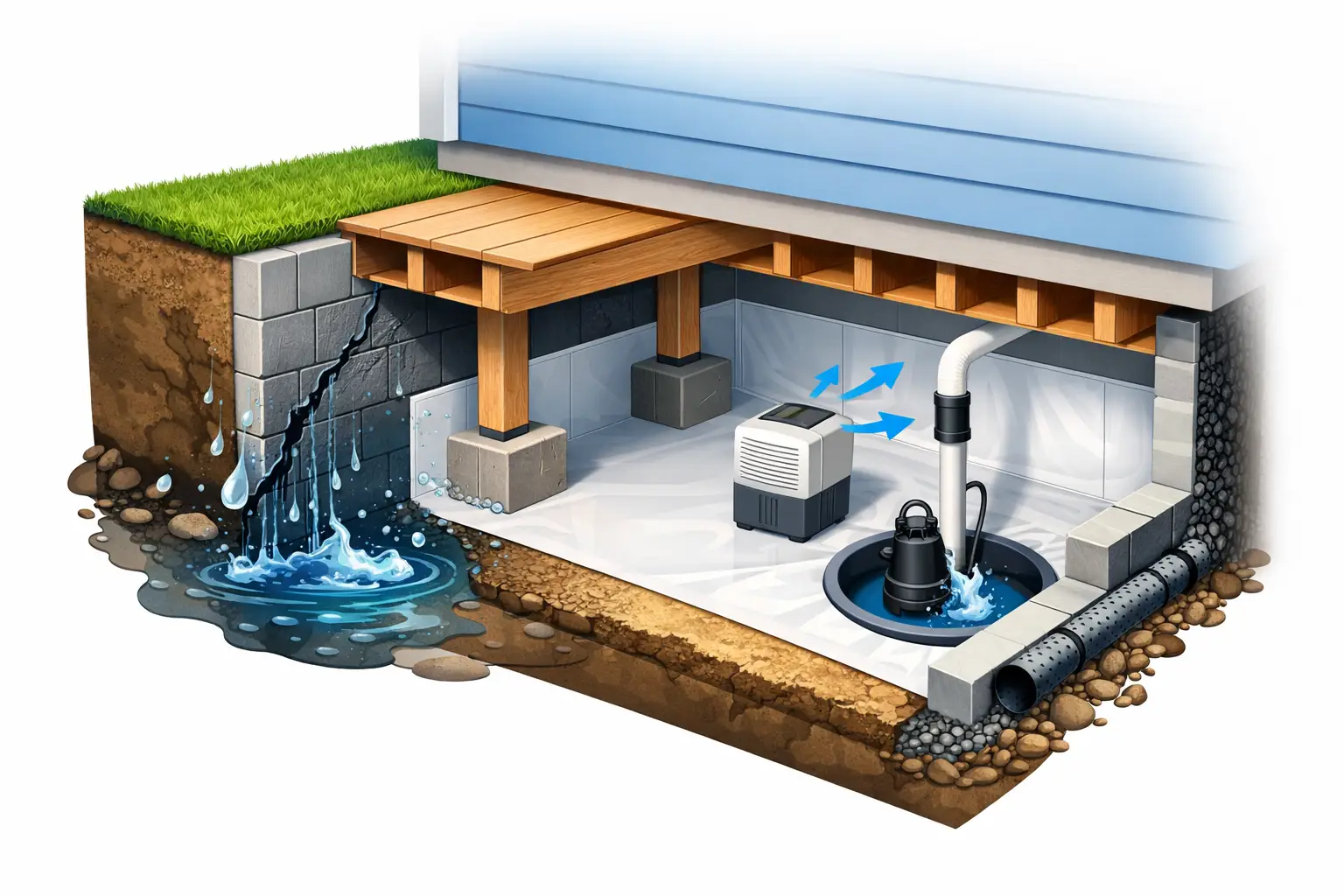
Waterproofing only works when it solves the actual cause. Water may enter directly through foundation cracks, gaps around utility penetrations, or low spots in the exterior grade. It can also collect after runoff reaches the foundation instead of moving away from it.
In other cases, groundwater rises beneath the home during wet periods. A crawl space may look dry for much of the year, then develop standing water after a heavy storm or extended rainfall. That pattern still creates a long-term risk because wood and insulation can stay wet long after visible water recedes.
Humidity is another major source of damage. Outside air moving through foundation vents can carry substantial moisture during Virginia summers. When that warm, humid air meets cooler crawl space surfaces, condensation can form. Ventilation alone is not always the answer. In a humid climate, more outside air can sometimes add more moisture rather than remove it.
A professional inspection should separate these causes instead of treating every wet crawl space the same way. Surface water, groundwater, plumbing leaks, poor drainage, and humid air require different corrections. A permanent repair plan may involve more than one measure because moisture problems often have more than one source.
What Effective Crawl Space Waterproofing Includes
A reliable waterproofing system is built around water control first. If runoff is reaching the foundation, exterior grading and drainage conditions need attention. If water is collecting beneath the home, an interior drainage path and properly sized sump system may be needed to collect and discharge it before it can spread across the crawl space floor.
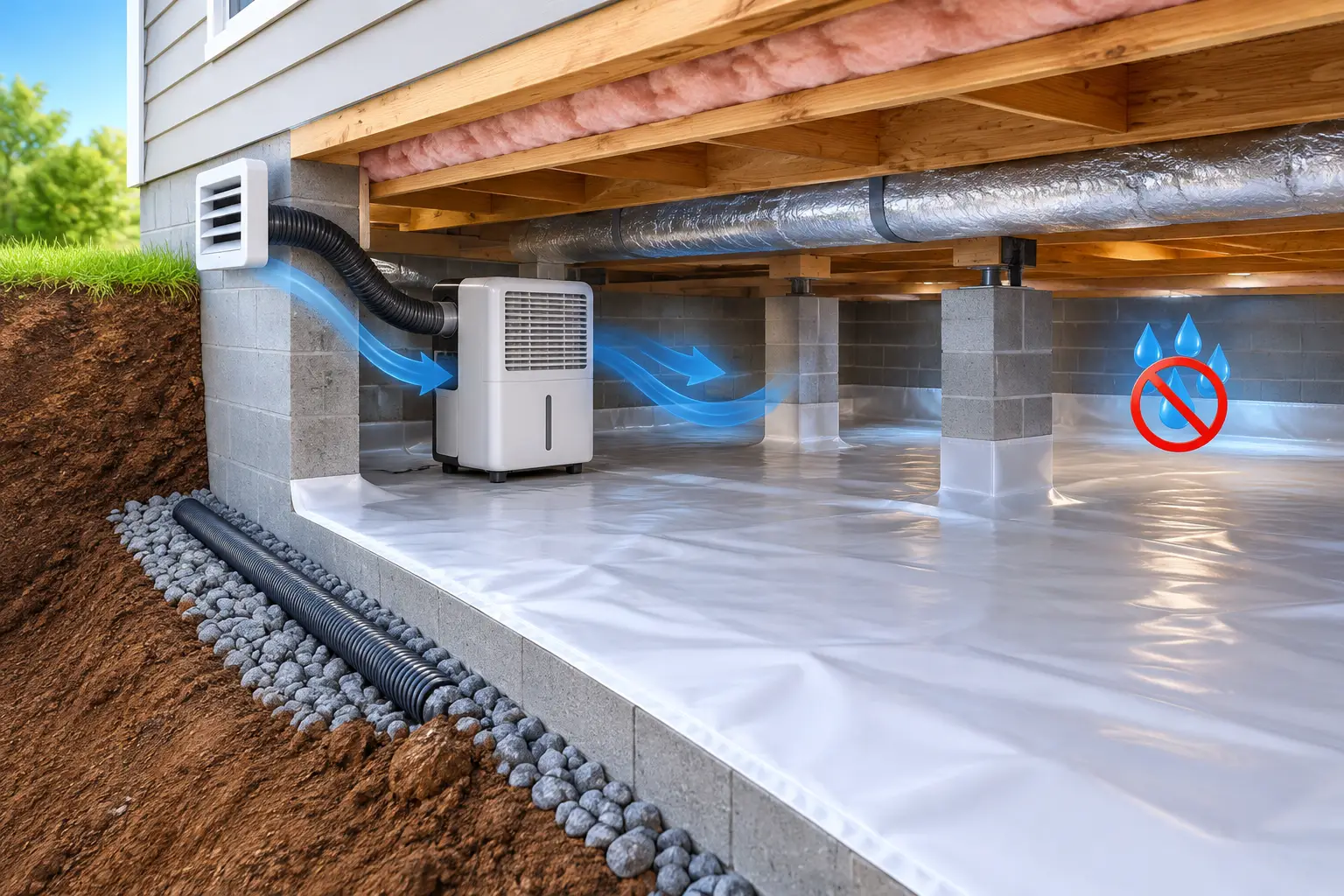
Once bulk water is controlled, a heavy-duty vapor barrier helps block moisture rising from exposed soil. The barrier should be installed carefully across the crawl space floor and sealed at seams and edges. Thin plastic placed loosely on the ground can tear, shift, and leave gaps. It may make the space look better temporarily without controlling moisture effectively.
For crawl spaces with ongoing humidity, full encapsulation may be the appropriate next step. Encapsulation creates a sealed, conditioned environment by covering the ground and sealing selected walls and openings. It is commonly paired with a dehumidifier to maintain safer humidity levels over time.
The exact scope depends on the home. A crawl space that only receives minor seepage at one wall may not need the same system as a space with standing water, mold, damaged insulation, and deteriorating floor framing. Good recommendations should be based on conditions found during the inspection, not a one-size-fits-all package.
Waterproofing Is Not a Cosmetic Cleanup
Removing wet insulation or spraying a mold treatment may improve the immediate appearance of a crawl space, but neither action stops water from returning. Likewise, sealing a visible crack without correcting the drainage pressure behind it can lead to repeat leakage somewhere else.
The purpose of crawl space waterproofing is to control water movement and moisture at the source. That protects the materials that hold up your home: beams, joists, subflooring, posts, and foundation components. If rot or structural damage is already present, those repairs should be evaluated alongside the moisture-control work. Drying the space matters, but damaged framing still needs a safe, lasting repair plan.
When Encapsulation Makes Sense
Encapsulation is often a strong choice when a crawl space has persistently high humidity, exposed soil, mold concerns, recurring condensation, or insulation that repeatedly becomes damp. It can help make the crawl space cleaner and more stable while reducing the moisture load on your home.
It is not automatically necessary for every crawl space. If the primary issue is a single drainage defect or an isolated plumbing leak, correcting that problem may be the first priority. Encapsulation installed over an active water problem can hide conditions without fixing them.
The key question is not, “Do I need plastic in my crawl space?” It is, “What is allowing moisture to stay under my home?” The answer determines whether you need drainage improvements, a sump system, a vapor barrier, encapsulation, structural repairs, or a combination of those solutions.
What Homeowners Can Check Before an Inspection
You do not need to enter a confined crawl space to recognize a problem. Walk around the exterior after rain and look for soil that slopes toward the foundation, pooling near the home, overflowing gutters, or downspouts that release water beside the crawl space wall. These conditions can send a large amount of water toward the foundation during a storm.
Inside, pay attention to musty odors, damp flooring, changes in floor level, and rooms that feel unusually humid. If you can safely view the crawl space access opening, look for visible water, darkened wood, fallen insulation, or torn vapor barrier material. Avoid disturbing suspected mold or damaged structural components.
Taking note of when the symptoms appear is useful. Does the odor worsen after rain? Are floors more noticeable during humid months? Does water appear only after major storms? Those details help identify the pattern and guide a more accurate diagnosis.
Protect the Home Above the Crawl Space
Crawl space moisture does not stay contained below the floor. It can affect indoor air quality, comfort, energy use, and the long-term condition of your home’s structure. The longer wood framing and insulation remain damp, the greater the likelihood of rot, mold, and costly floor repairs.
Foundation Works evaluates crawl space water intrusion with the full structure in mind. The goal is an honest, engineering-based recommendation that addresses the root cause, whether that means targeted drainage work or a more complete waterproofing and encapsulation system.
If you have noticed musty odors, standing water, sagging floors, or damp insulation, schedule a free inspection before another wet season adds to the damage. A clear diagnosis now can protect your home, your family’s comfort, and the investment beneath your feet.