A sump pump that starts after a hard Virginia rain can be doing exactly what it was installed to do. But when homeowners ask, “when should sump pumps run?” they are usually trying to tell the difference between normal protection and a warning that water is putting their basement, crawlspace, or foundation at risk. The answer depends on groundwater levels, drainage conditions, weather, and how your system is configured.
A working sump pump is not a problem. A pump that runs constantly, runs at unexpected times, or cannot keep up with incoming water deserves attention. Catching the cause early can help prevent wet floors, mold growth, damaged finishes, and pressure against basement walls.
When Should Sump Pumps Run Under Normal Conditions?
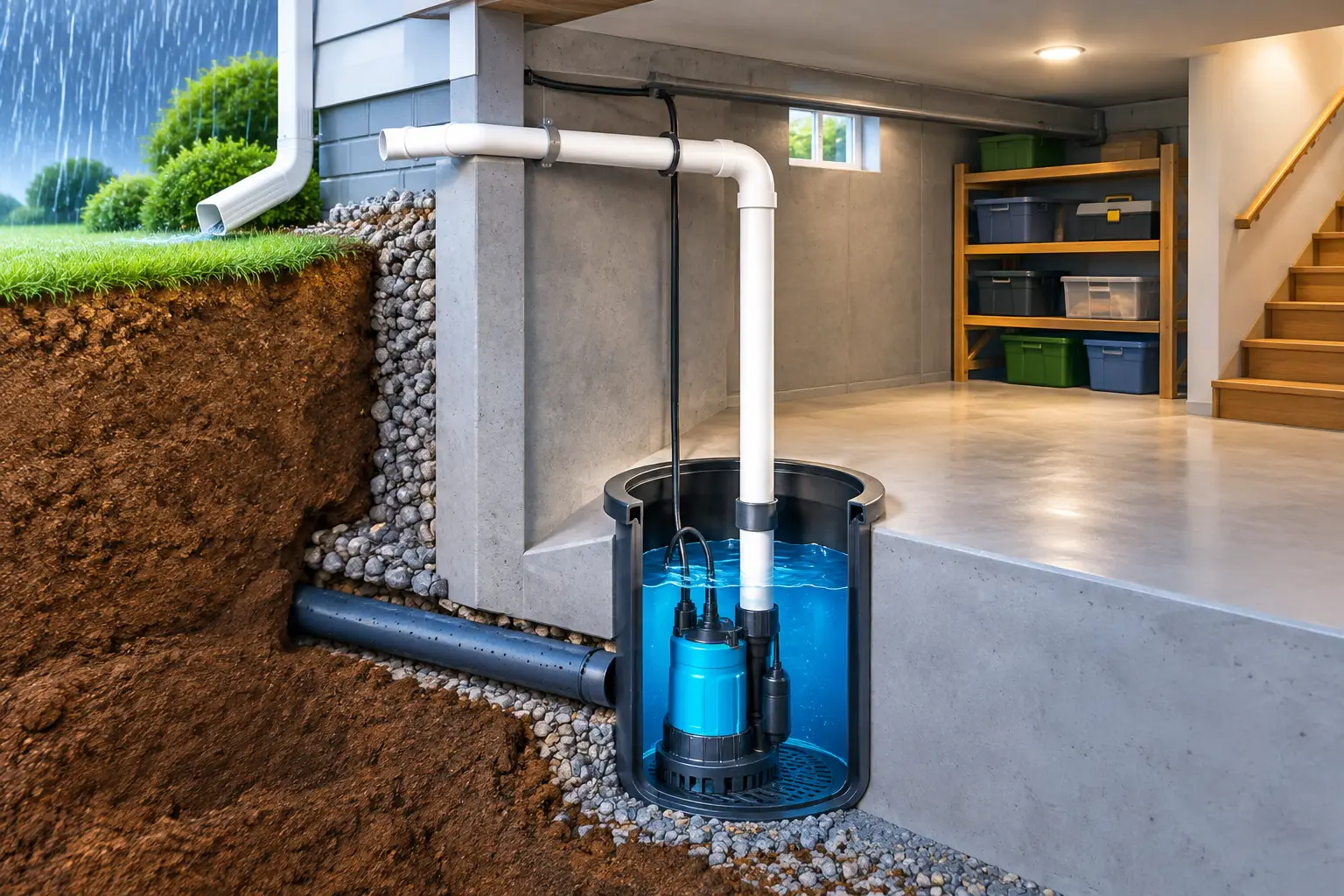
A sump pump should turn on when water in its pit rises high enough to lift the float switch or activate its sensor. The pump removes that water through a discharge pipe, then shuts off once the water level drops. This cycle may happen occasionally or frequently, depending on what is happening outside and below your home.
During heavy rain, prolonged wet weather, snowmelt, or a period of high groundwater, a sump pump may run several times an hour. In some homes with naturally high water tables, it may cycle even more often. That does not automatically mean the pump is failing. It means water is reaching the drain system beneath or around the foundation and being directed to the pit.
You may also hear the pump run after a storm has ended. Soil around the home can remain saturated for days, particularly in clay-heavy areas where water drains slowly. The pump is responding to groundwater, not just the rain falling at that exact moment.
In dry weather, many sump pumps run rarely or not at all. Others may still cycle periodically because of a high water table, an underground spring, or water entering the drainage system from another source. The key is whether the pattern is consistent with your home and current conditions.
How Often Should a Sump Pump Run?
There is no single “normal” number of cycles per day. A pump in a dry basement on well-drained soil may be quiet for months. A pump protecting a below-grade basement in a low-lying area may run every few minutes during a severe storm.
What matters is a sudden change. If your sump pump used to run only during heavy rain but now operates every few minutes on a clear day, something has changed. The float switch may be stuck, the check valve may be allowing water to flow back into the pit, or water may be entering from a plumbing leak or drainage issue.
Likewise, a pump that runs continuously during a major storm is not necessarily defective. It may be working hard because the volume of incoming water is high. However, if the water level keeps rising despite the pump running, the system is overwhelmed, clogged, undersized, or unable to discharge water properly.
Signs Your Sump Pump Is Running Too Often
Frequent cycling shortens pump life and can point to a moisture problem that needs more than a replacement pump. Watch for patterns that do not match the weather or your home’s normal behavior.
A pump that turns on and off every few seconds may have a float switch set incorrectly, a failing switch, or a discharge line that is sending water back into the pit. This is called short cycling, and it can wear out the motor quickly.
A pump that runs almost nonstop during dry conditions may be dealing with a stuck float, a failed check valve, a broken discharge pipe, or water from a plumbing source. In some cases, a basement drainage system is collecting significant groundwater because exterior grading or drainage is directing water toward the house.
Pay attention if you notice any of the following at the same time as frequent pump operation:
- Water stains, damp carpet, musty odors, or visible mold in the basement
- Standing water near the foundation or a discharge outlet that drains too close to the home
- White, chalky mineral deposits on basement walls
- Cracks, bowing walls, or signs of soil pressure around below-grade walls
- A sump pit that fills rapidly while the pump struggles to lower the water level
The pump may be the part you can hear, but it is not always the source of the problem. It may be responding to poor surface drainage, saturated soil, or water pressure building around the foundation.
When a Sump Pump Should Not Run
A sump pump should not run continuously when the pit is empty or nearly empty. If it does, shut off power to the pump and inspect the float. A jammed float can cause the motor to run dry, overheat, and fail.
It also should not run repeatedly because discharged water is returning to the foundation. The discharge line should carry water well away from the home, to an appropriate location where it will not flow back toward the basement or create a drainage problem for the property. A check valve on the discharge line also helps prevent water from falling back into the pit after each cycle.
If the pump begins running after someone uses a sink, shower, washing machine, or water heater, do not assume it is a groundwater issue. Depending on how the home is arranged, it could indicate a plumbing leak or an improper connection that needs prompt evaluation.
What to Check When Your Pump Runs Constantly
Start with the simple checks, but do not ignore water around a foundation. Make sure the pump has power and that the outlet has not tripped. Look into the pit to see whether the float moves freely and whether the water level is actually high.
Next, check the discharge outlet outside. During freezing weather, the line can become blocked by ice. In other seasons, debris, soil, or a crushed pipe can restrict flow. If water cannot leave the system, it can back up into the pit and leave the pump running without making progress.
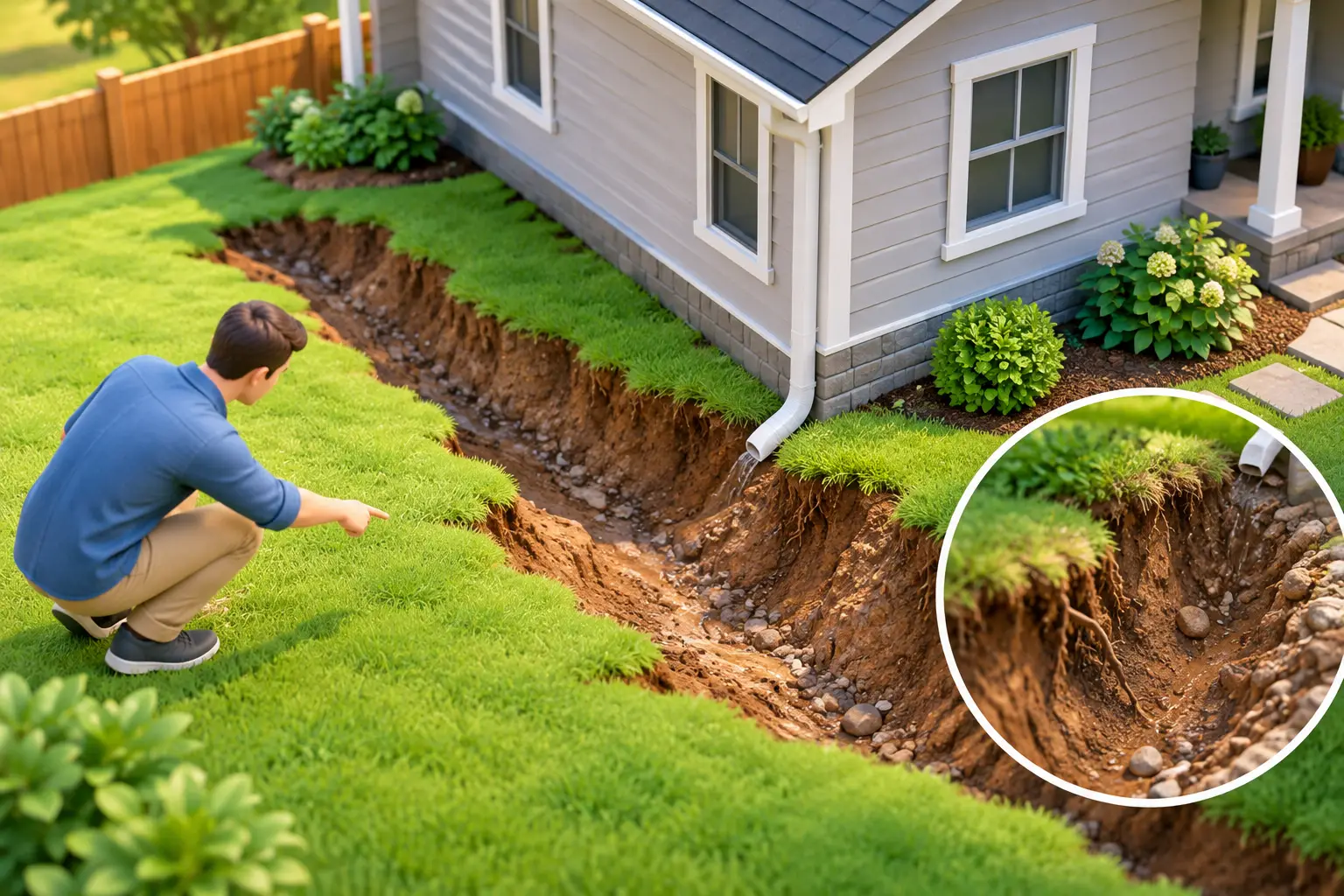
Then look at the ground around the house. Gutters that overflow, downspouts that end near the foundation, and soil that slopes toward the home can send large volumes of water into the area your sump pump is trying to protect. The pump may keep the basement dry for a while, but it should not be the only defense against preventable water runoff.
Do not enter a flooded area to reach a pump if electrical hazards are present. If the pump is not keeping up and water is approaching electrical equipment, get qualified help immediately.
A Quiet Sump Pump Is Not Always Good News
Homeowners often worry about a loud or active pump, but silence can be more concerning during wet conditions. If the pit is full and the pump does not start, the float may be stuck, the pump may have lost power, or the motor may have failed. A single heavy storm can expose this problem at the worst possible time.
Testing the system periodically is a practical habit. Slowly pour water into the pit until the float rises and the pump activates. Confirm that it discharges water, shuts off after lowering the level, and does not send water back into the pit. If your pump has a battery backup, test that system as well according to the manufacturer’s instructions.
A backup pump is particularly valuable where power outages happen during storms. The primary pump cannot protect the basement if it has no electricity, and water intrusion does not wait for the power to return.
When Frequent Pumping Points to a Foundation Water Problem
A sump pump manages water that has already reached your drainage system. It does not correct every reason water is collecting around the foundation. If you have recurring moisture, wet walls, foundation cracks, moldy odors, or a pump that works overtime after ordinary rainfall, the property needs a closer look.
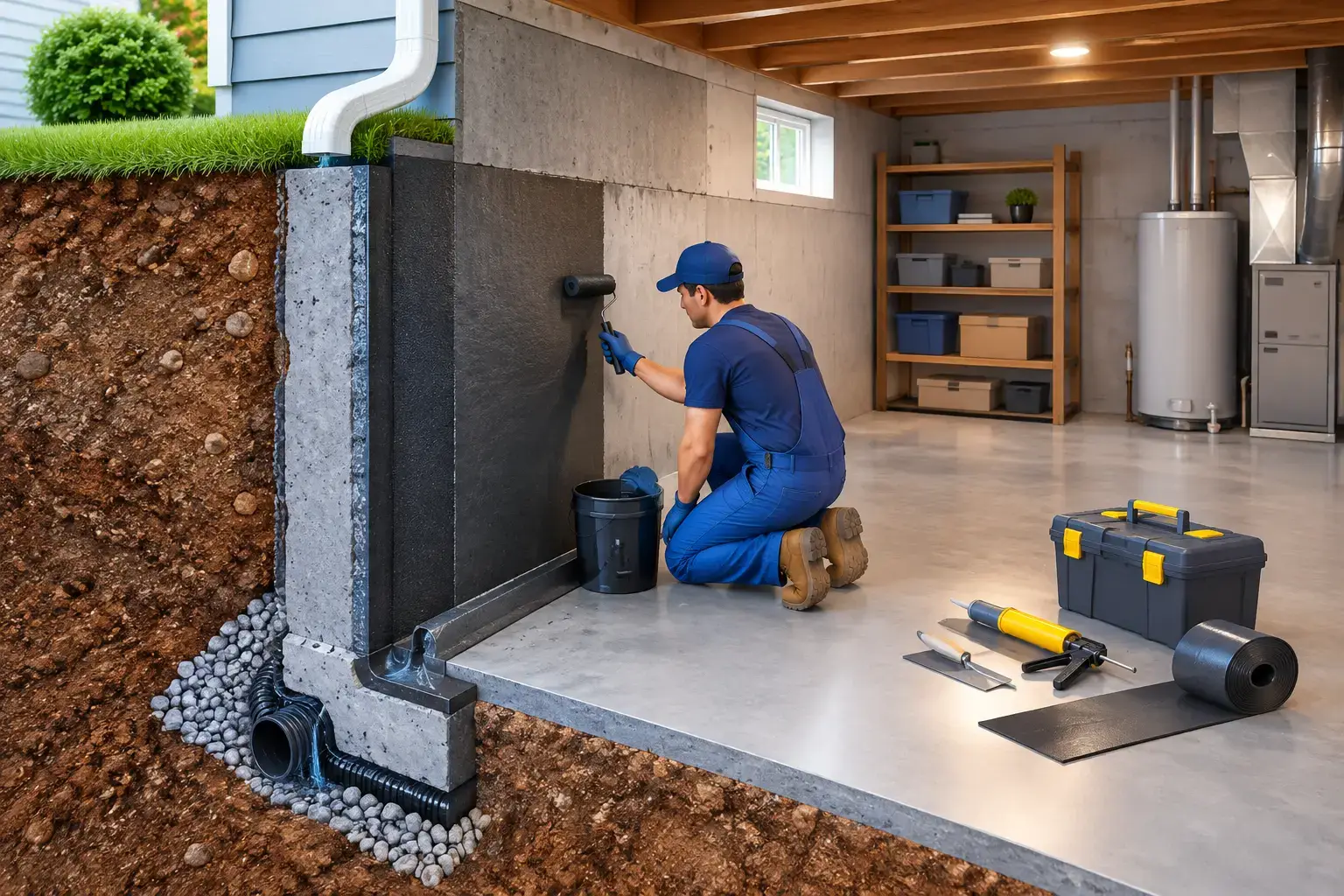
The right repair depends on the source. Some homes need better water control at the surface. Others have drainage system issues, groundwater pressure, or basement wall conditions that call for a more complete waterproofing plan. Applying a coating or replacing a pump without identifying the water path may provide temporary relief while the underlying problem continues.
Foundation Works evaluates basement and crawlspace moisture problems with the same focus used for structural repairs: identify the cause, explain the condition clearly, and recommend a lasting solution only when one is needed. An honest inspection can separate a normal active pump from a system responding to a larger water-management concern.
If your sump pump has changed its behavior, trust the change. Keep an eye on the pit after the next rain, check where water leaves the property, and arrange a professional evaluation before persistent moisture turns into damage that is harder and more expensive to repair.