A bedroom door that suddenly scrapes the floor or a front door that needs a hard shoulder to close is more than an everyday annoyance. Homeowners often search for ways to fix sticking doors with a screwdriver or plane, and sometimes that is the right answer. But when the problem is new, worsening, or showing up at several doors, the door may be reporting movement or moisture damage elsewhere in the house.
A door is a useful early warning sign because it depends on a square opening. When floors sag, framing shifts, foundation soils move, or crawlspace humidity affects wood, the opening can change just enough to make the door bind. The right repair starts with identifying why the door is sticking, not simply forcing it to fit again.
Start by Finding Where the Door Binds
Close the door slowly and watch the gap around all four sides. A consistent gap usually points to a door that is properly aligned. A narrow or disappearing gap on one side tells you where the door and frame are making contact.
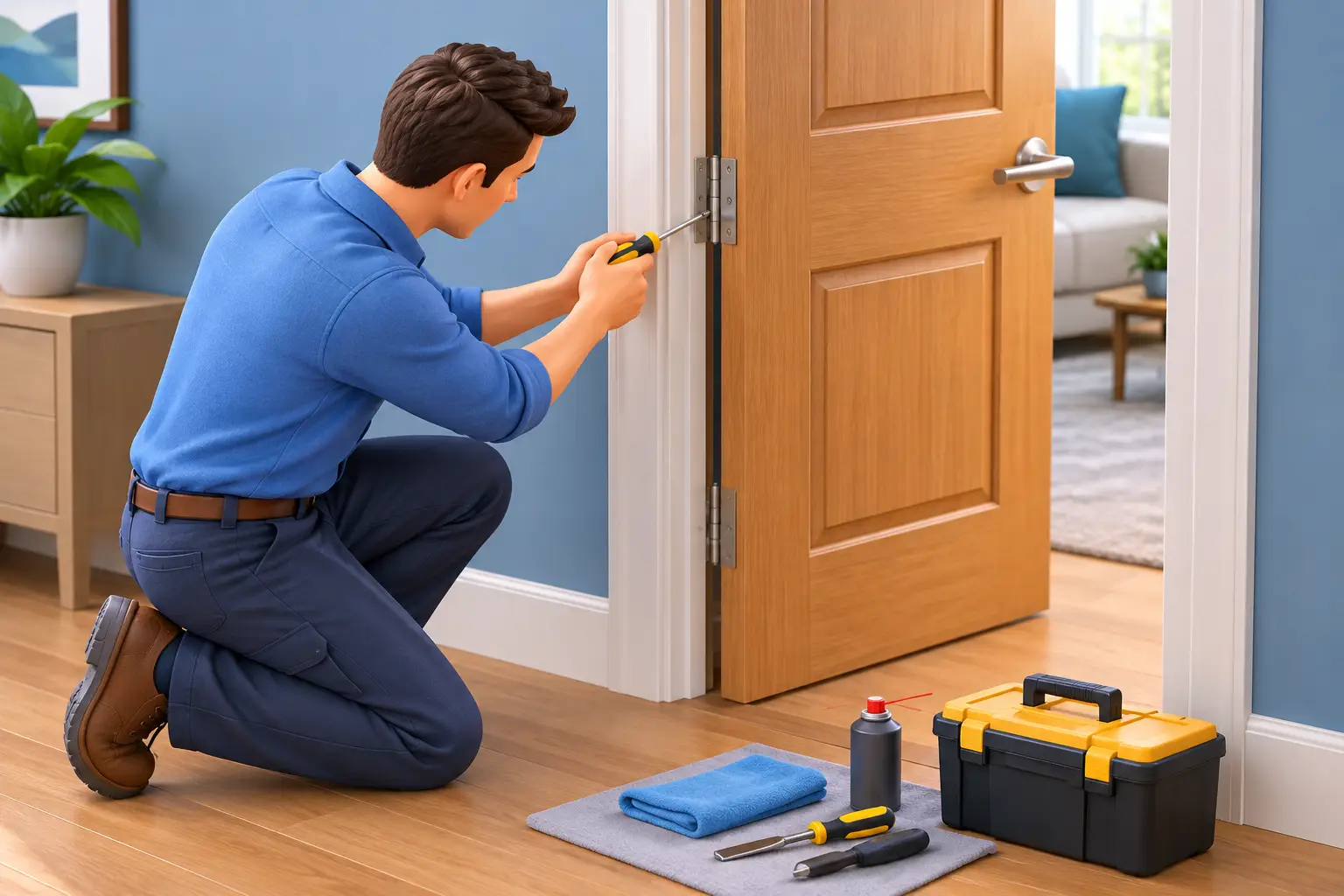
If the top edge rubs near the latch side, loose hinges are a common cause. Repeated use can loosen hinge screws, especially when the screws are only gripping the thin door jamb. Tightening the screws may correct a minor alignment issue. If a screw spins without tightening, a longer screw installed through the hinge and into the framing behind the jamb can provide a more secure hold. Use care not to overtighten or pull the frame out of position.
A door rubbing along its bottom edge may be responding to a loose hinge, but it can also indicate a floor that has risen, settled, or become uneven. Look across the room for clues. Does furniture sit level? Has the baseboard separated from the floor? Do nearby doors have the same problem? These details matter because trimming the door may hide a symptom without correcting the cause.
A latch that will not meet its strike plate can also reveal movement. Minor seasonal expansion can move the latch enough to need a small strike-plate adjustment. However, a large change in alignment, especially one that appeared quickly, deserves a closer look at the walls, floors, and structure around the opening.
When a Simple Door Adjustment Is Appropriate
Wood reacts to changes in humidity. During a humid Virginia summer, an exterior wood door may swell slightly and drag against the jamb. In winter, it may work normally again. A recently painted door can also stick if paint has built up along the edge or if the finish did not fully cure before the door was closed.
For one isolated door with no other changes in the home, begin with basic maintenance. Tighten accessible hinge screws, inspect for paint buildup, lubricate hinges if they squeak, and confirm that weatherstripping is not folded or loose. If the door has swollen from temporary humidity, allow conditions to normalize before removing material from the edge.
Planing or sanding can be appropriate when the cause is clearly limited to the door itself. Remove only a small amount at a time, then reseal any bare wood to prevent future moisture absorption. This is especially important on exterior doors. Removing too much material can leave large gaps, reduce weather resistance, and create a new problem when the wood dries out.
The trade-off is straightforward: a minor adjustment can restore daily function quickly, while trimming a door that is sticking because the home is moving may make a serious issue less obvious. A door should not need repeated trimming every year.
Signs the Sticking Door May Be Structural
A single sticking door is not automatic proof of foundation damage. Homes settle slightly over time, and weather affects building materials. The concern rises when several symptoms appear together or when a door that worked normally begins to bind without an obvious reason.
Pay attention if sticking doors occur alongside cracks above doorways or windows, new drywall cracks, gaps between trim and walls, sloping floors, or windows that are also difficult to open. These can be signs that part of the home is shifting or that floor framing is no longer supporting the structure evenly.
In homes with crawlspaces, excessive moisture can weaken beams, joists, and subflooring over time. Wood rot, fungal growth, and high humidity may allow floors to sag, changing the shape of door openings above. In a basement, water intrusion or poor drainage can contribute to soil movement around the foundation and put pressure on foundation walls.
Foundation settlement can create similar symptoms. When soil beneath a portion of the home loses support or shifts, the structure above may move unevenly. Doors may stick on one level of the house while doors elsewhere remain normal. Cracks may widen over time, especially around corners of windows and doors where stress is concentrated.
The pattern is more valuable than any one symptom. A door that drags after a rainy season, paired with standing water in the crawlspace or a damp basement wall, points toward a moisture problem worth investigating. A door that binds as floor slopes become more noticeable may point toward a structural support issue. An honest inspection should distinguish between normal seasonal movement and conditions that require repair.
Do Not Let Moisture Keep Moving the Goalposts
Moisture problems often make door adjustments temporary. If humid crawlspace air is affecting framing, or water is collecting against the foundation, the house may continue to change until the source of moisture is controlled.
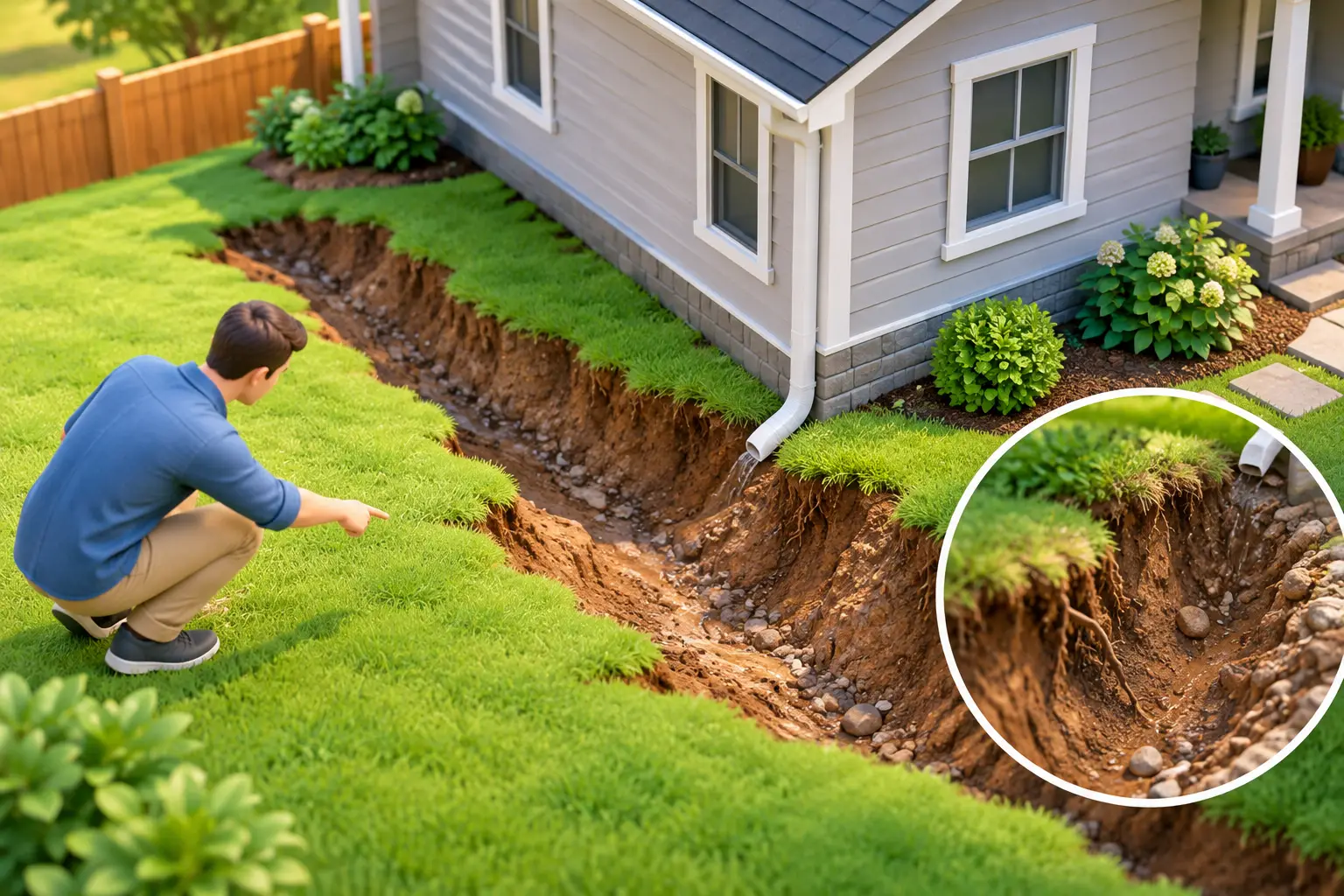
Look for musty odors, visible condensation, damp insulation, standing water, deteriorated wood, or white mineral deposits on basement walls. Outside, check whether downspouts discharge near the foundation, whether the ground slopes toward the house, and whether water ponds after rain. These conditions do not guarantee structural damage, but they can create the environment where it develops.
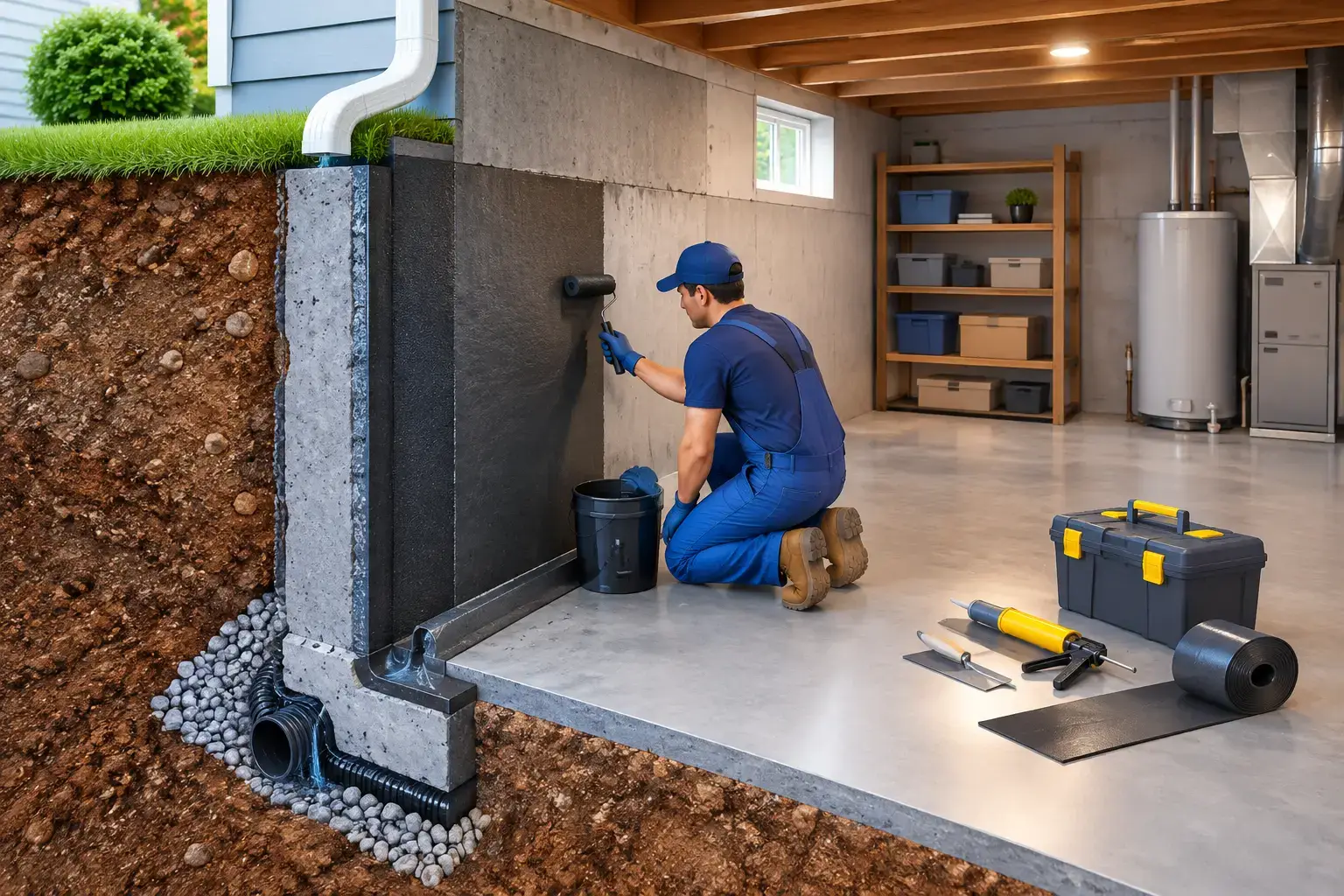
Permanent repairs address the water pathway and the damaged or weakened materials, rather than repeatedly repairing visible symptoms. Depending on the inspection findings, that may mean improving drainage, controlling crawlspace moisture, repairing compromised framing, or stabilizing an affected foundation area. The appropriate solution depends on the home, the soil conditions, and the source of movement.
How to Fix Sticking Doors Without Hiding the Problem
Before making permanent changes to a sticking door, document what you see. Take clear photos of the door gap, nearby wall cracks, floor transitions, and any moisture evidence. Note when the sticking began and whether it changes with weather. This record can help identify whether the issue is stable, seasonal, or getting worse.
Then use a practical decision process. If the issue is limited to one door, the hinges are visibly loose, and there are no other warning signs, a careful adjustment is reasonable. Recheck the door over the following weeks. If the sticking returns, spreads to other openings, or occurs with cracking, sloping, dampness, or sagging, stop treating it as a door-only problem.
Avoid forcing a sticking exterior door shut. Excess pressure can damage hinges, crack trim, affect locks, and make an emergency exit harder to use. It is also wise to avoid extensive trimming before an evaluation when the door is part of a broader pattern. Once the underlying movement is corrected, the door and frame may need a different final adjustment.
When to Schedule a Professional Inspection
A professional structural inspection makes sense when multiple doors or windows are sticking, visible cracks are growing, floors feel uneven, basement walls show movement, or crawlspace framing appears damp or damaged. These are conditions where guessing can lead to cosmetic repairs that do not last.
Foundation Works provides homeowners with a no-pressure assessment focused on the root cause. The goal is not to turn every sticky door into a major project. It is to determine whether the door needs a simple adjustment, whether moisture is affecting the home, or whether a permanent structural repair is needed to protect the property.
Your doors should open and close without a fight. If they do not, take the warning seriously, look for the related signs around your home, and address the cause before a small alignment problem becomes a larger repair.