
A floor that dips toward the center of a room, a basement wall pushing inward, or doors that suddenly will not latch can make a home feel uncertain. Structural restoration is the process of repairing the compromised foundation, framing, and supporting systems behind those symptoms – not just covering up the visible damage. The right repair protects your family, preserves your home’s value, and stops a manageable concern from becoming a far more expensive project.
What Structural Restoration Actually Means
Structural restoration returns a home’s load-bearing systems to a safe, stable condition. Depending on what an inspection finds, that may involve foundation repair for settlement or cracking, wall stabilization for bowing basement walls, or reinforcement and replacement of damaged crawlspace beams, joists, and support posts.
The key word is restoration, not concealment. Filling a crack, painting over a water stain, or adding a rug over a sloped floor may improve appearances temporarily. None of those steps corrects soil movement, water pressure, decaying wood, inadequate support, or another condition that is continuing to affect the structure.
A proper repair begins with diagnosis. Homes in Virginia and Maryland face a mix of expansive soils, seasonal rainfall, aging construction, poor drainage, and groundwater conditions. Two homes can show the same wall crack for completely different reasons. That is why a repair plan should be based on the cause, the extent of movement, and the specific way your home is built.
Warning Signs Your Home May Need Structural Restoration
Most homeowners do not need to know construction terminology to recognize that something has changed. Pay attention when several symptoms appear together or when a symptom grows over time.
Cracks that widen, run diagonally from doors or windows, or appear in foundation walls deserve a professional look. So do floors that slope, bounce, or feel soft underfoot. These concerns can point to settlement below the home or weakened floor framing beneath it.
Basement walls require special attention. Horizontal cracks, stair-step cracking in block walls, inward bowing, or crumbling mortar can signal pressure from saturated soil outside the foundation. Waterlogged soil expands and presses against the wall. Left unaddressed, that pressure can worsen with each wet season.
In crawlspaces, the warning signs are often less visible upstairs but no less serious. Sagging beams, undersized or leaning supports, wet insulation, wood rot, mold growth, and standing water can all undermine the framing that holds up your floors. A musty odor in the living area, sticking interior doors, and gaps between flooring and baseboards may all trace back to a damp, deteriorating crawlspace.
Some cracks are cosmetic, especially small hairline cracks in drywall that remain stable. The concern is not simply whether a crack exists. It is whether there is movement, moisture, displacement, or loss of support behind it. An honest inspection should distinguish between a repair that is truly needed and a condition that only needs monitoring.
The Root Cause Determines the Repair
There is no single product that fixes every structural problem. Permanent results come from matching the repair to the forces affecting the home.
When a foundation is settling because the supporting soil has shifted or lost bearing capacity, the repair may require foundation underpinning with properly designed support systems. These systems transfer the home’s weight to more stable ground and can help stabilize the structure against further settlement. Whether lifting is appropriate depends on the condition of the home and the repair design. Stabilization is often the primary goal.
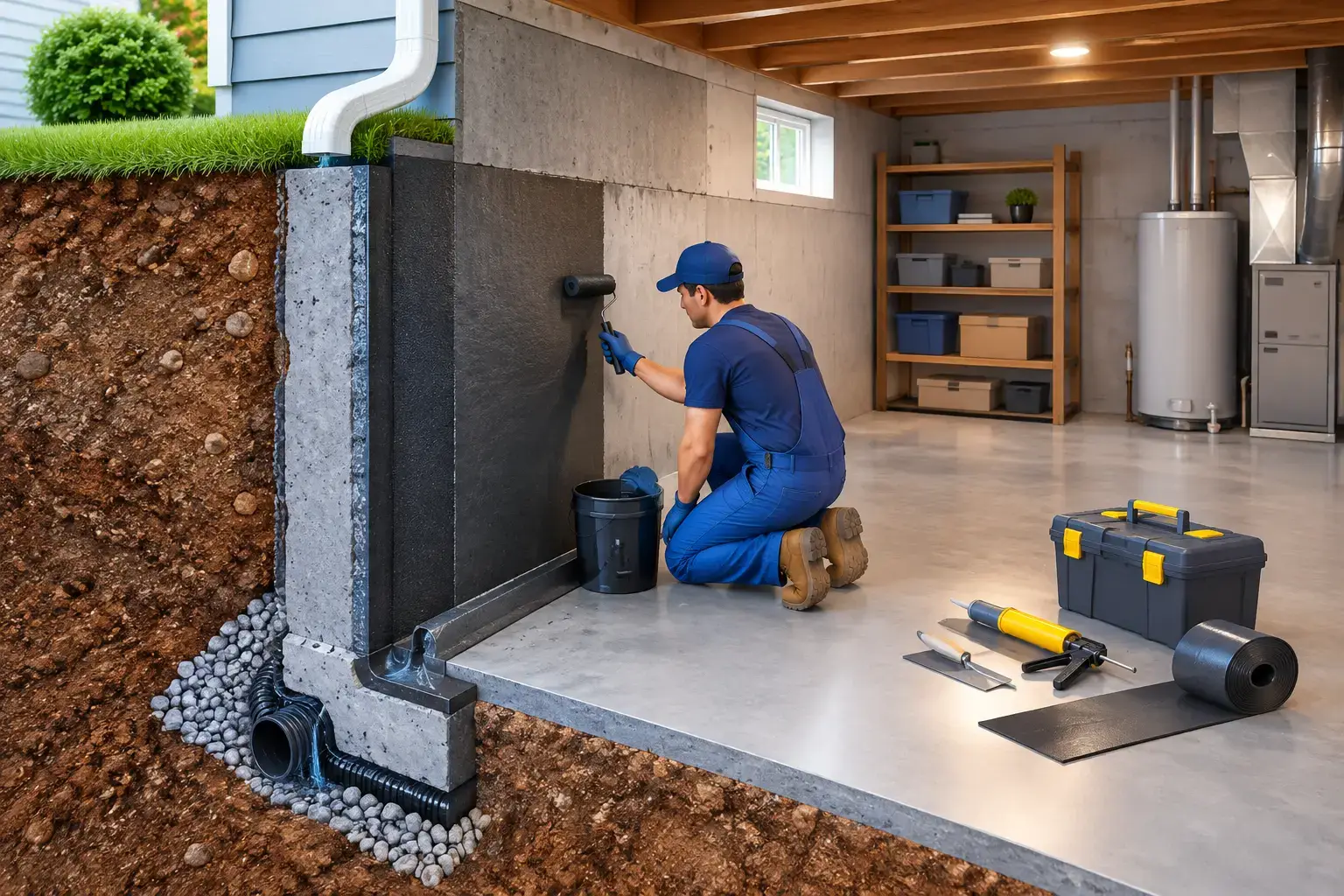
When basement walls bow inward, steel reinforcement systems or wall anchors may be used to resist outside soil pressure and hold the wall in position. The right option depends on wall material, degree of movement, access around the exterior, and drainage conditions. A wall repair without addressing the water and soil conditions that created the pressure may not deliver the long-term protection a homeowner expects.
When floors sag because beams and joists are damaged or poorly supported, structural restoration can include new support beams, adjustable steel columns, joist reinforcement, or replacement of decayed framing. If moisture caused the wood damage, crawlspace encapsulation and drainage improvements are part of protecting that investment. Repairing rotten wood while leaving the crawlspace wet simply invites the problem back.
Why Water Control Belongs in the Conversation
Water is one of the most common drivers of foundation and framing damage. It can soften supporting soils, create hydrostatic pressure against basement walls, feed mold growth, and accelerate wood rot in crawlspaces. That does not mean every wet basement has a structural problem. It does mean water intrusion should never be treated as an isolated nuisance until the surrounding conditions have been evaluated.
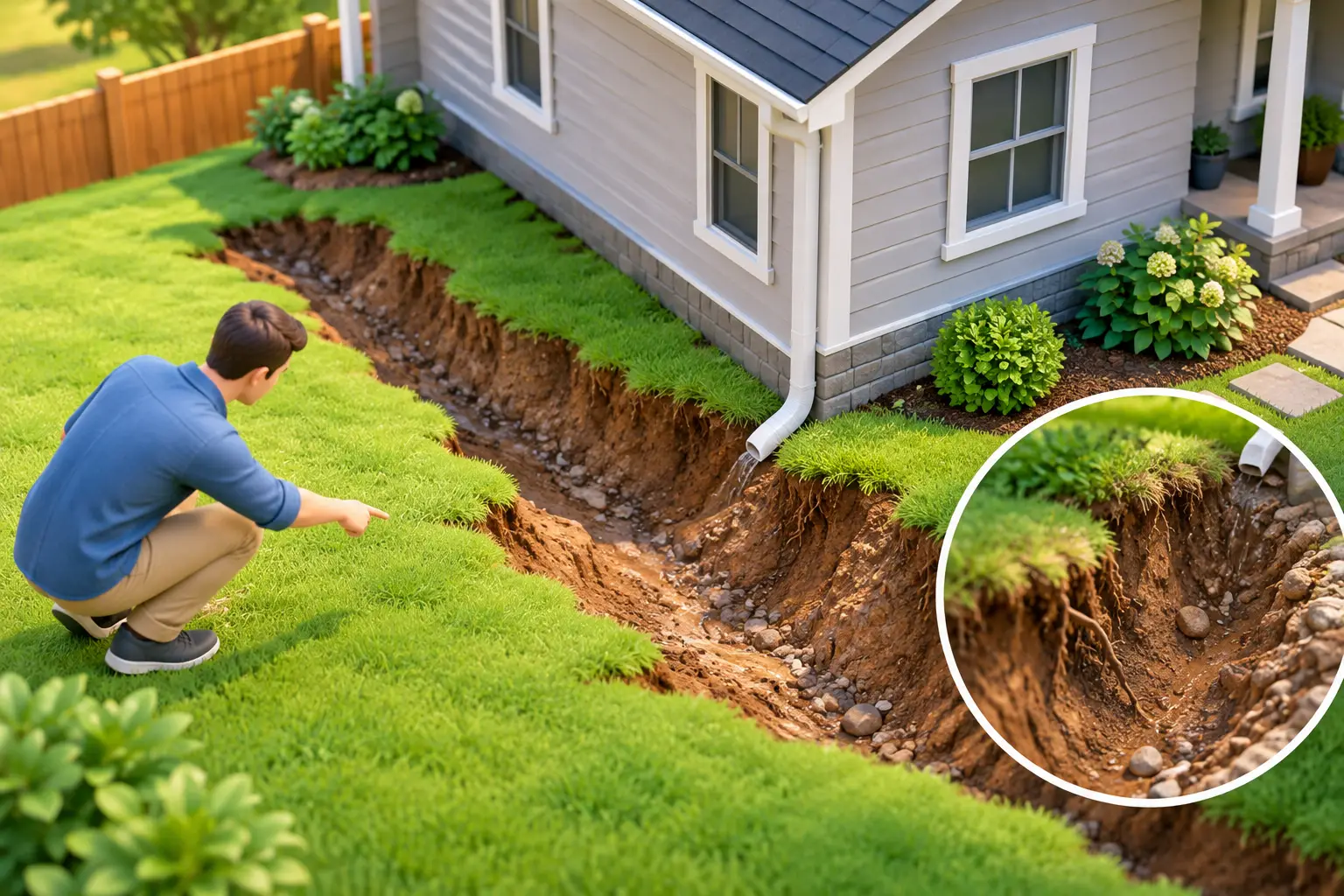
Effective water control may include correcting drainage near the foundation, managing roof runoff, waterproofing vulnerable basement areas, or encapsulating a crawlspace to reduce ground moisture. The appropriate approach depends on where the water originates and where it travels. Surface runoff, groundwater, plumbing leaks, and humid crawlspace air require different solutions.
This connection matters because a dry-looking wall is not necessarily a protected wall. Short-term sealants can hide staining while pressure, drainage failure, or moisture remains active behind the surface. Engineering-based diagnosis looks beyond what is easy to see.
What to Expect From a Professional Inspection
A good structural inspection should give you clarity, not pressure. The inspector should look at the visible symptoms, but also examine the areas that explain them: exterior grading, foundation walls, floor elevations, crawlspace supports, framing condition, moisture patterns, and drainage paths.
You should expect a clear explanation in plain language. What is moving? Why is it moving? Is the issue active? What could happen if it is left alone? And what repair will address the cause rather than only the symptom?
Photographs, measurements, and a written scope can help you understand the recommendation and compare it with what you have observed in your home. If a problem is minor or stable, monitoring may be the responsible recommendation. If the structure is actively failing, waiting can limit repair options and increase the eventual cost.
Foundation Works approaches inspections with that distinction in mind. Homeowners deserve an honest assessment, a custom repair scope when work is needed, and a permanent solution designed for the conditions under their home.
When to Act and When to Monitor
It depends on the pattern and severity of the problem. A single small drywall crack that has not changed may only need observation. A widening foundation crack, a newly sloped floor, persistent crawlspace water, or a bowing basement wall should be evaluated promptly.
Do not wait for a real estate sale to uncover the issue. Structural concerns often become more stressful when they are discovered during a buyer’s inspection, when there is less time to understand the repair and fewer options for scheduling it. Addressing a known issue early gives you more control over the process and helps protect your property value.
If you notice changes after heavy rain, seasonal thawing, or a long period of humidity, document what you see. Take dated photos of cracks, water entry, and floor gaps. Then schedule a no-obligation professional inspection. Small changes can provide valuable clues about the source of a larger problem.
Your home does not have to be visibly collapsing to deserve attention. When something feels different underfoot, on the walls, or below the house, getting clear answers now is often the most practical way to protect it for the years ahead.