
A crack above a basement window, a floor that feels uneven, or water collecting in a crawlspace can make a homeowner wonder how serious the problem has become. Foundation repair technology trends are making it easier to measure those concerns, identify their cause, and select a repair system designed to last. But better equipment does not make every crack a structural emergency. The real value is an accurate diagnosis that separates normal cosmetic movement from settlement, hydrostatic pressure, moisture damage, or failing framing that needs prompt attention.
For homeowners in Virginia and Maryland, that distinction matters. Our region’s changing moisture conditions, clay-heavy soils in many areas, aging homes, and wet basements or crawlspaces can all create conditions that affect a home’s structure. The best repair technology supports a simple goal: fix the root cause, not just the visible symptom.
Foundation Repair Technology Trends That Matter
The most meaningful changes in foundation repair are not flashy gadgets. They are better ways to document movement, transfer structural loads to stable soil, control water, and install permanent reinforcement with less disruption to the home.
More precise digital measurements
A professional inspection still begins with experience: looking at cracks, doors, windows, floor slopes, drainage patterns, and moisture signs. Technology now gives those observations more context. Digital levels, laser measurements, and elevation mapping can help document differences across a floor or foundation. Crack gauges and repeat measurements can help determine whether a crack appears stable or is continuing to move.
That information is especially useful when symptoms are subtle. A homeowner may notice that a bedroom door has begun sticking or that a tile floor has developed a hairline crack. One issue alone may not prove settlement. When it is paired with measurable floor elevation changes, foundation cracking, or exterior drainage problems, the repair recommendation can be based on clearer evidence.
Measurements are also valuable after work is complete. They create a baseline and help explain why a particular area needs support, reinforcement, or moisture control. Technology should make the process more transparent, not more complicated.
Engineered pier systems for settlement
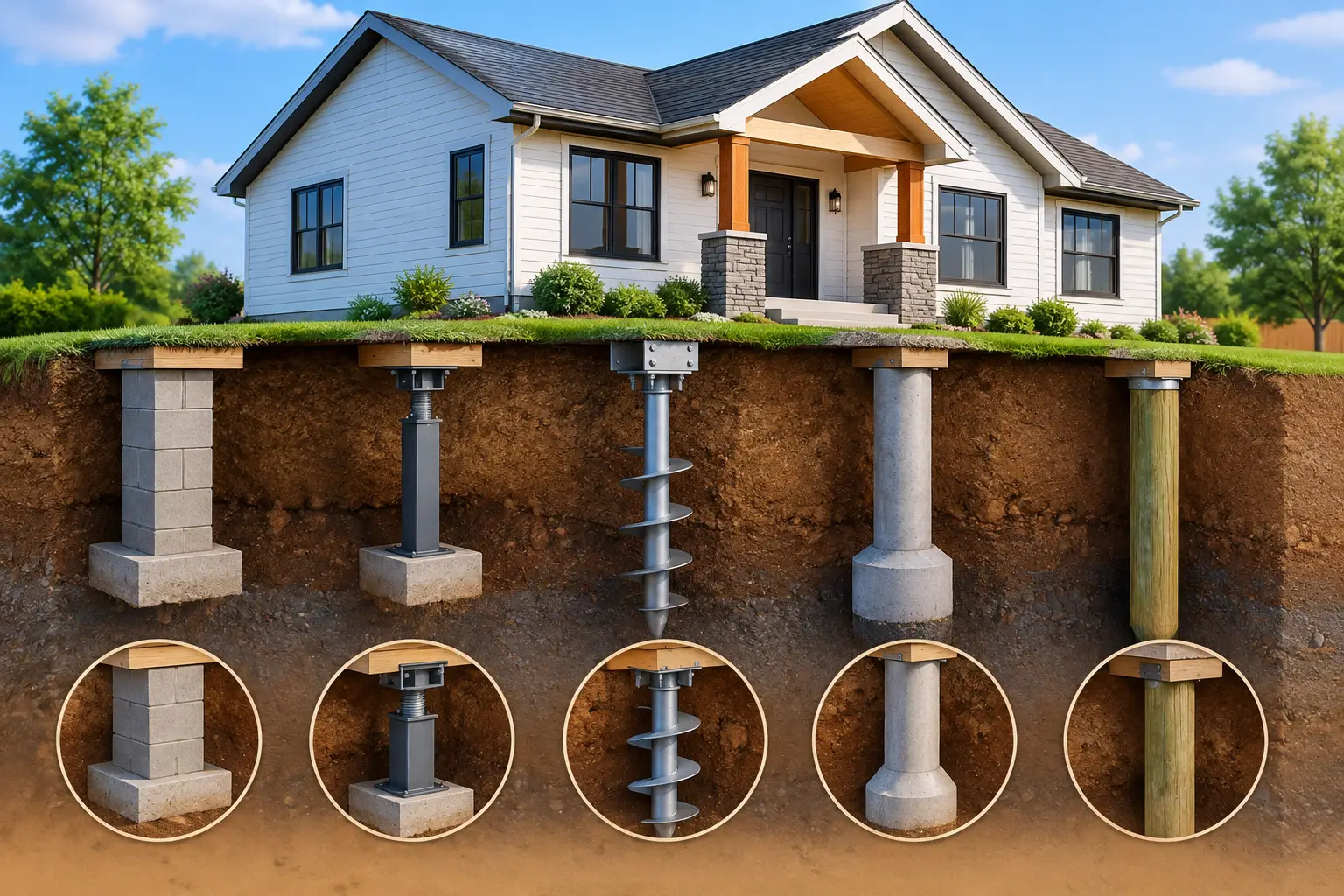
When a foundation is settling because the soil beneath it cannot reliably carry the home’s weight, surface-level patching will not solve the problem. One of the most significant long-term repair developments is the use of engineered steel pier systems. Depending on the home, installers may use helical piers or push piers to transfer the structural load past weak or shifting soils and onto more stable bearing layers.
Helical piers are installed by rotating a steel shaft with helical plates into the ground. Their installation torque can provide useful information about soil resistance. Push piers are driven downward using the weight of the structure and can be an effective option where site conditions allow. Both systems are designed for a specific structural purpose, but neither is automatically the right answer for every settling home.
The right system depends on the foundation type, access, soil conditions, load requirements, and the extent of movement. In some cases, stabilization is the priority. In others, carefully controlled lifting may be possible. A trustworthy recommendation explains the objective before discussing the product.
Wall reinforcement that addresses lateral pressure
Basement walls do not bow inward without a reason. Saturated soil, poor exterior drainage, and repeated freeze-thaw cycles can increase lateral pressure against foundation walls. Horizontal cracks, stair-step cracks, inward movement, or walls that appear to be tilting deserve a professional evaluation before they worsen.
Modern reinforcement options may include steel wall anchors, wall bracing systems, or carbon fiber reinforcement. Wall anchors can resist external soil pressure by connecting a compromised wall to stable earth outside the home. Bracing systems can reinforce a wall from the interior where exterior access is limited. Carbon fiber is low-profile and exceptionally strong in tension, making it useful for certain walls with cracks or limited inward movement.
These systems are not interchangeable. Carbon fiber may be appropriate for a wall that needs reinforcement but is not severely displaced. A wall with significant bowing may require a system capable of actively stabilizing or gradually improving its position. The trend worth watching is not a single material. It is matching the reinforcement method to the wall’s actual condition.
Smarter moisture diagnosis and crawlspace control
Moisture remains one of the most overlooked drivers of foundation and structural damage. Water near a foundation can soften soil, increase hydrostatic pressure, and create a pathway for basement leaks. In a crawlspace, chronic humidity can lead to mold growth, wood rot, deteriorating insulation, and weakened beams or floor joists.
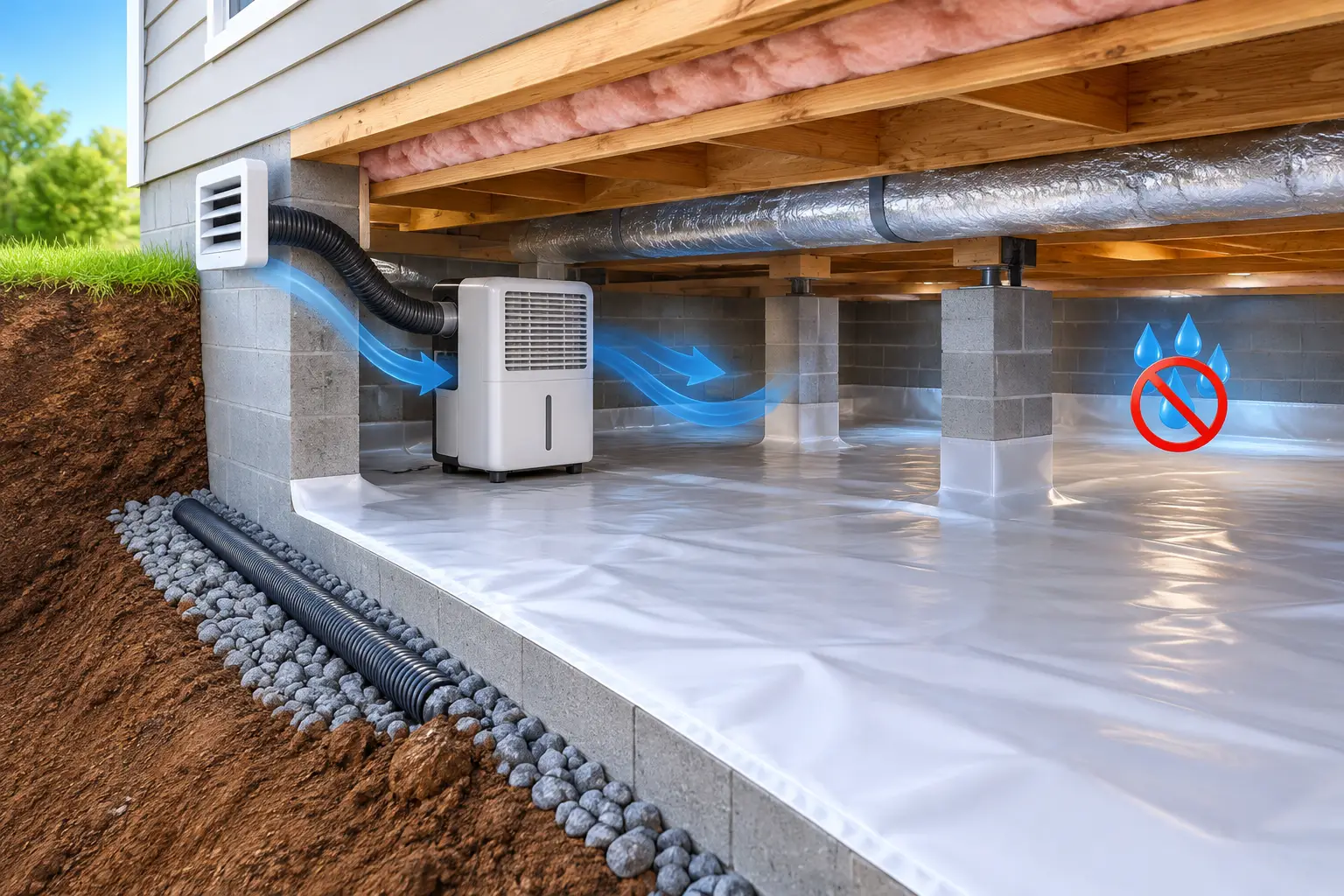
Better moisture meters, humidity monitoring, and inspection methods help locate where water is entering and how it is affecting the home. Just as important, repair plans are becoming more integrated. Instead of treating a wet crawlspace as only a humidity problem, a complete solution may address drainage, groundwater intrusion, vapor control, and the condition of the wood framing.
Crawlspace encapsulation has become a more refined system rather than a simple sheet of plastic on the ground. Properly installed vapor barriers, sealed areas, drainage components where needed, and humidity control can reduce the conditions that allow moisture damage to continue. If beams or joists have already been affected, the structural repair and moisture solution should work together. Drying the space without addressing damaged framing is incomplete. Reinforcing framing without controlling the moisture source leaves the home exposed to repeat damage.
Better Technology Does Not Replace Proper Diagnosis
Homeowners should be cautious of any contractor who recommends the same repair for every crack, wet basement, or sloping floor. A foundation is part of a larger system that includes soil, water management, framing, and the home’s load path. The visible problem may be in the basement, while the driving cause is outside the home or below it.
For example, a vertical crack can be a manageable shrinkage crack, or it can be associated with settlement. A wet basement may result from surface drainage, rising groundwater, a wall crack, or multiple sources at once. A sagging floor can be caused by a foundation issue, but it can also point to moisture-damaged crawlspace framing. The technology is useful when it helps answer those questions honestly.
At Foundation Works, the goal is to use proven products and engineering-based solutions to recommend only the work a home needs. That may mean a permanent structural repair, a drainage and waterproofing plan, crawlspace encapsulation, or reassurance that a minor issue should simply be monitored. A no-pressure inspection should leave you with a clear understanding of what is happening and why.
What Homeowners Should Expect From Modern Repairs
The best repair experience is more than the system installed below ground or against a wall. It includes a clear scope of work, an explanation of what the repair will and will not do, and a crew that protects the home while the work is underway. Modern installation methods can often reduce excavation, limit disruption, and provide more controlled results, but access conditions still matter.
Older homes, finished basements, tight crawlspaces, landscaping, utility lines, and difficult soils can affect the repair plan. Those are not reasons to accept a temporary fix. They are reasons to have the work designed around the property instead of forcing the property into a one-size-fits-all solution.
If you have noticed widening cracks, inward-moving walls, uneven floors, standing water, musty odors, or sticking doors, do not wait for the symptoms to become more expensive. A careful inspection can turn uncertainty into a practical plan to protect your home, your family’s safety, and the value you have worked hard to build.