A basement wall crack that widens after a wet season is not always a concrete problem. Often, the force starts outside the home. Soil expansion can press against foundation walls, lift portions of a slab, and create movement that shows up as cracks, sticking doors, uneven floors, or water intrusion.
For homeowners in Virginia and Maryland, changing weather can make this issue harder to ignore. Heavy rain, humid summers, dry spells, and poor drainage repeatedly change the moisture level in the soil around a home. When that soil expands and contracts, the foundation has to resist forces it was never meant to absorb without support.
What Is Soil Expansion?
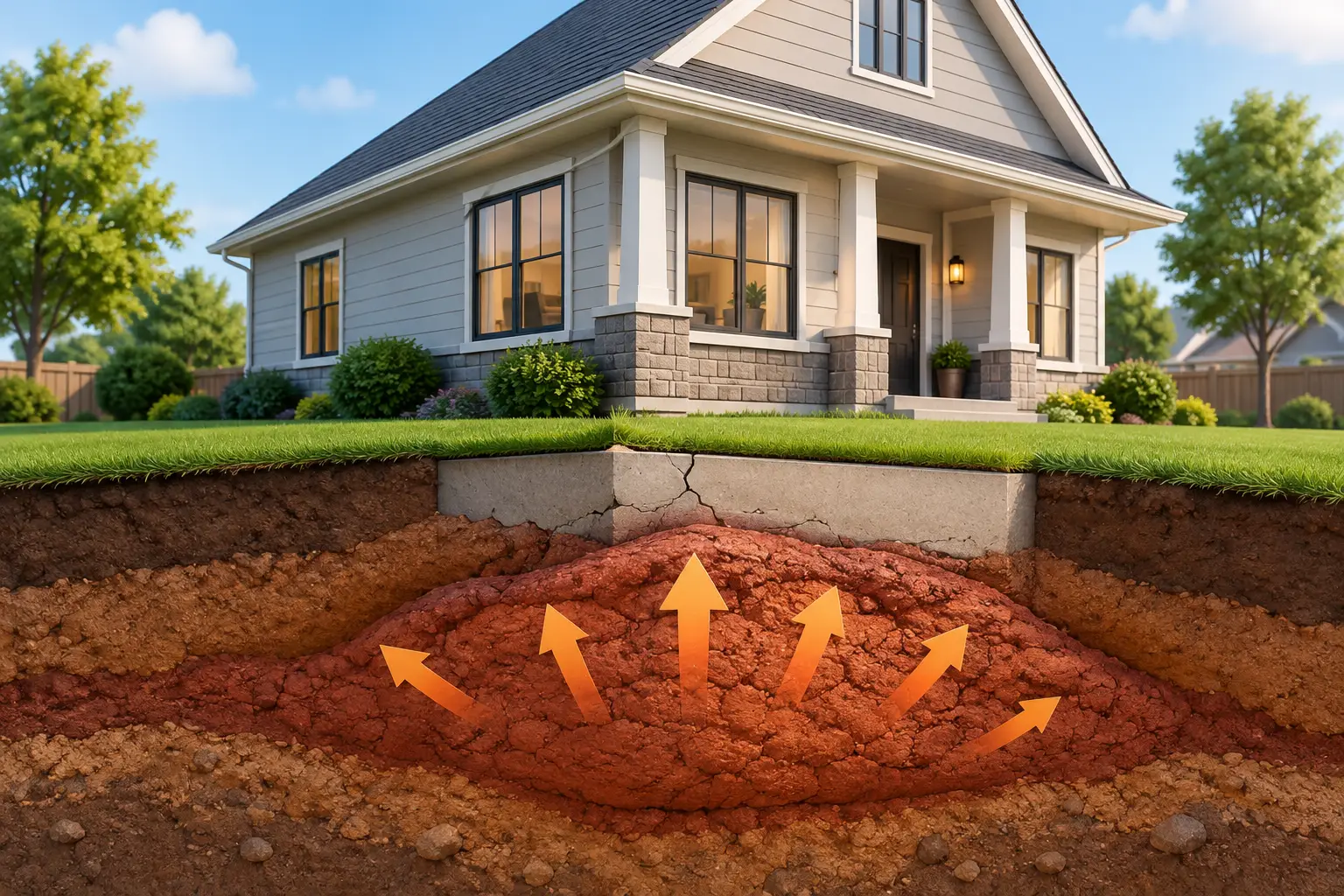
Some soils contain clay particles that absorb water and swell. As moisture enters the ground, the soil increases in volume. This is called expansive soil behavior, or soil expansion. When the soil dries, it shrinks again.
That cycle can place uneven pressure on a home. Soil alongside a basement wall may swell and push inward. Soil beneath part of a foundation may expand and lift it slightly. Later, as conditions dry out, the ground can pull away or lose support. Neither movement has to be dramatic to create damage over time.
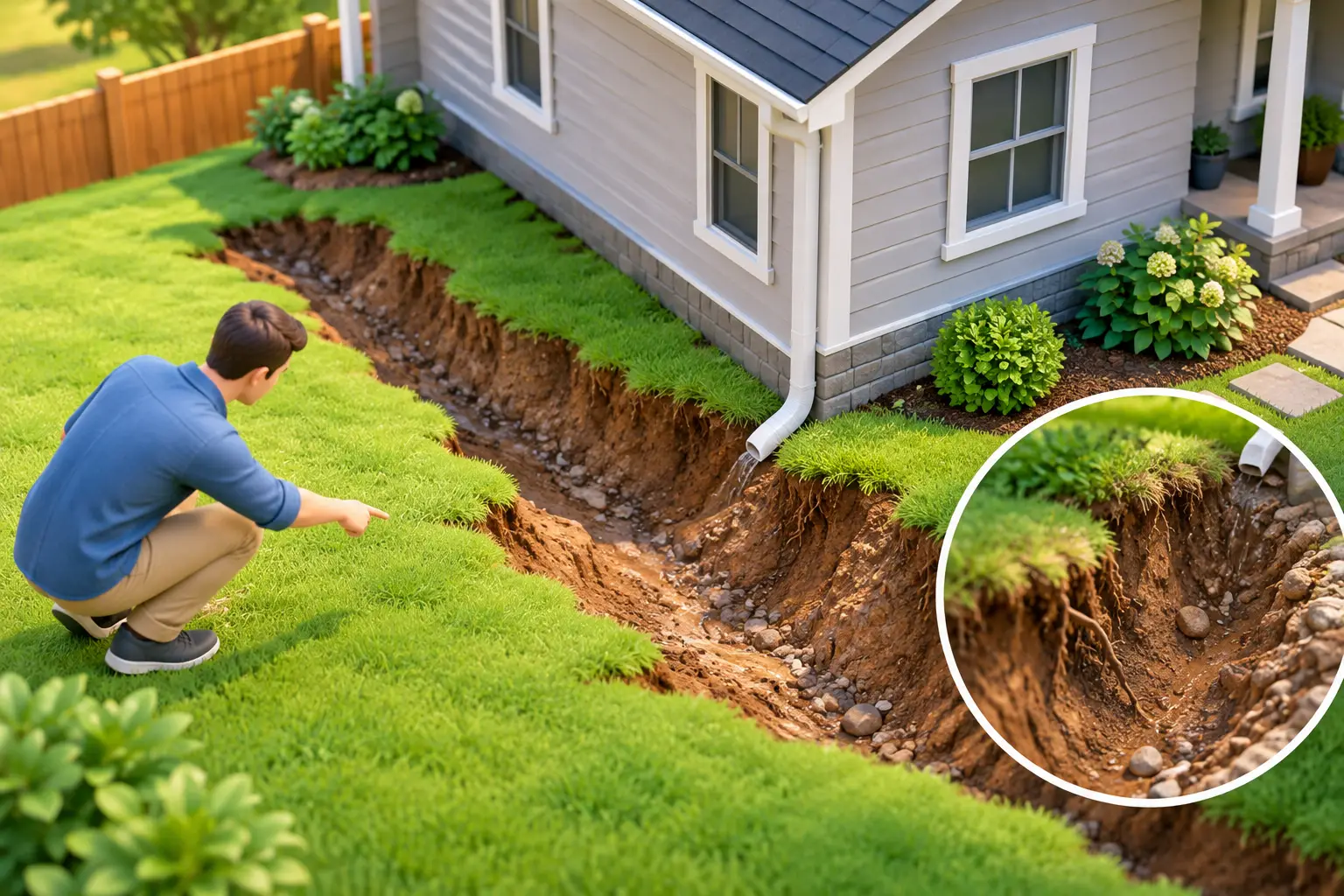
The concern is not simply that the ground gets wet. It is that moisture is reaching the soil unevenly. A roof downspout that empties beside one corner of the house, a clogged drainage path, or a leaking exterior water line can keep one area wetter than the rest. That uneven moisture can cause one section of the foundation to move while another remains stable.
Signs Soil Expansion May Be Affecting Your Home
Foundation movement has several possible causes, and not every crack means urgent structural repair. Still, certain warning signs deserve a professional evaluation, especially when they appear after prolonged rain or seem to get worse with seasonal changes.
Look for horizontal cracks or inward bowing in basement walls. These can indicate pressure from saturated soil outside the wall. Stair-step cracks in brick or block, vertical cracks that grow wider, and cracks near windows or doors may point to movement in the foundation itself.
Inside, you may notice doors that suddenly stick, gaps opening around trim, sloping floors, or new cracks in drywall. In homes with crawlspaces, shifting support conditions can contribute to sagging floors, stressed beams, and moisture-damaged framing. Water stains, standing water, musty odors, and mold growth add another warning that drainage and moisture control need attention.
A single hairline crack may be cosmetic. A crack that grows, recurs after patching, or appears with other signs of movement is different. The key is to determine whether the house is still moving and why.
Why Expanding Soil Creates Foundation Damage
Concrete is strong under compression, but foundations are not designed to flex freely under uneven soil pressure. When wet soil expands against a basement wall, it creates lateral force. Over time, that force can crack the wall, cause it to bow inward, or shift it out of alignment.
Below the foundation, uneven expansion can cause upward movement known as heave. A raised section of slab, a lifted porch, or new interior cracks may be evidence that moisture conditions beneath the structure have changed. During dry weather, shrinking soil can create the opposite issue: voids or reduced support that contribute to settlement.
This is why simply filling a visible crack is rarely a permanent fix. Crack repair can be part of a proper solution, particularly when stopping water entry is necessary. But if poor drainage continues to feed moisture into expansive soil, the force behind the crack remains in place.
Moisture Sources to Check Around the Foundation
Most soil-related foundation problems develop gradually. Identifying where the water comes from helps determine the right repair scope. Common contributors include poor grading, short downspouts, clogged gutters, surface water flowing toward the home, and drainage systems that no longer carry water away effectively.
A driveway, patio, or landscaping change can also alter how water moves across the property. Even mulch piled too high against siding can hold moisture where it does not belong. In some cases, groundwater conditions or a hidden plumbing leak may be involved, which is why an inspection should look beyond the crack itself.
Homeowners can take basic maintenance steps, such as keeping gutters clear and making sure downspouts direct water away from the foundation. However, these steps do not correct bowed walls, active settlement, or persistent water entry. Once structural movement is visible, the home needs a clear diagnosis before repairs are selected.
Soil Expansion Repairs Must Address the Cause
The correct repair depends on what the inspection finds. There is no one-size-fits-all answer because wall pressure, settlement, water intrusion, and crawlspace moisture can occur separately or together.
For basement walls moving inward from exterior soil pressure, permanent wall stabilization may be needed. This can involve engineered reinforcement systems designed to stop further movement and, where appropriate, help restore wall alignment. When a foundation is settling because the soil below is no longer providing dependable support, foundation underpinning may be recommended to transfer the home’s load to more stable bearing conditions.
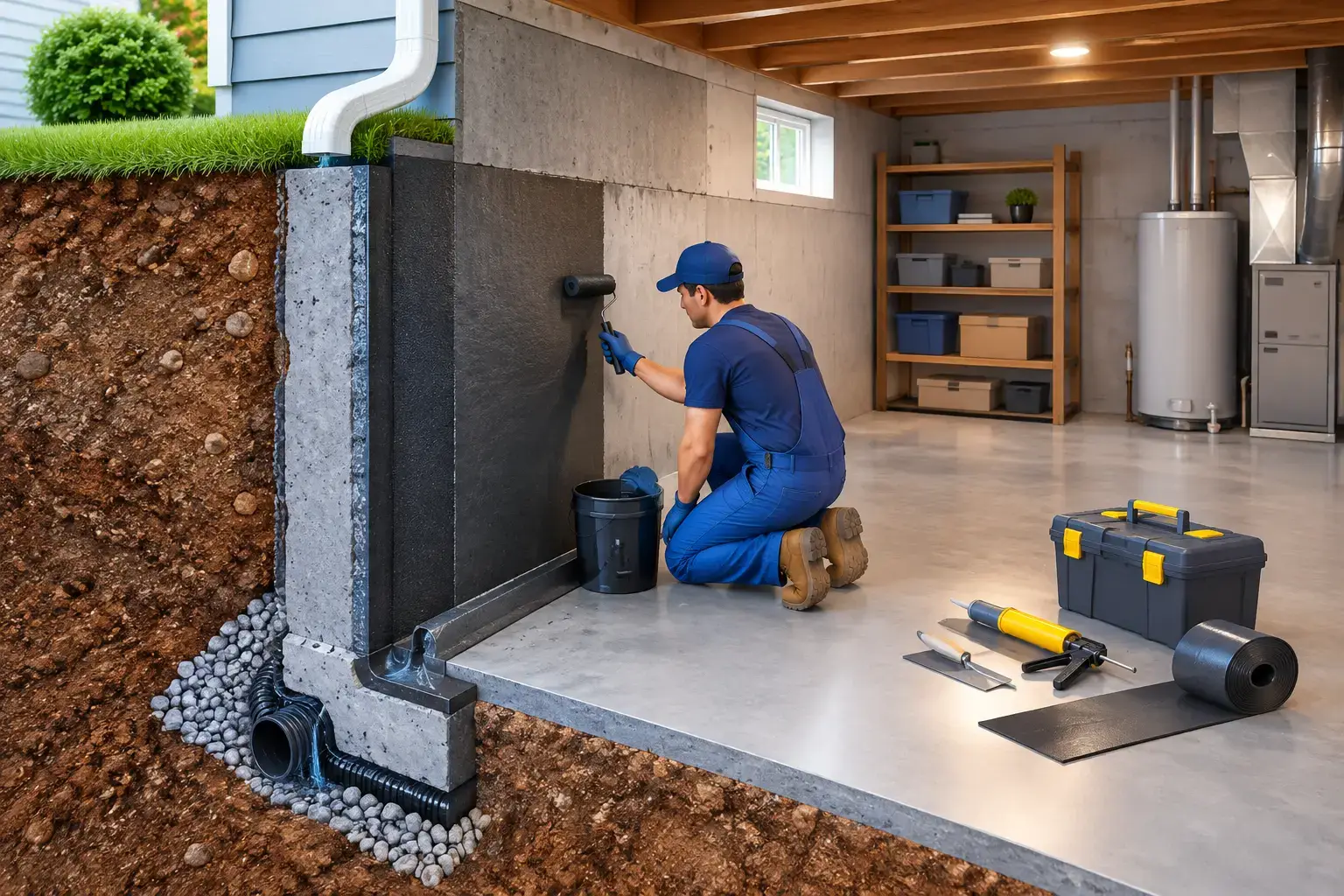
If water is driving the soil movement, waterproofing and drainage improvements are often part of the solution. The goal is not to make soil completely dry. Soil naturally holds moisture. The goal is to control excess water and prevent it from collecting against or beneath the foundation.
Crawlspaces require the same attention. Moisture entering a crawlspace can damage wood beams and joists, weaken floor support, and create unhealthy conditions beneath the home. Encapsulation and moisture-control measures can protect the framing while drainage improvements address the water source outside.
Why Timing Matters
Foundation damage usually becomes more expensive when it is allowed to progress. A wall that is only beginning to bow may have more repair options than one that has moved substantially. A small drainage issue can become a cracked-wall, wet-basement, or damaged-framing problem after enough wet seasons.
Waiting also makes it harder to separate a stable, old crack from active movement. Taking photos with dates and noting whether doors, floors, or cracks change after rain can be useful. But homeowners should not rely on observation alone when structural symptoms are present.
An honest inspection should explain what is cosmetic, what needs monitoring, and what requires repair. You should understand the source of the problem, the purpose of the recommended system, and how the work protects the home over the long term. Pressure to perform unnecessary work is not a substitute for a proper diagnosis.
Protect the Ground Around Your Home
A foundation depends on more than concrete and steel. It depends on the soil supporting it and the way water is managed around the property. Keeping surface water moving away from the house, correcting drainage failures, and responding early to structural warning signs can limit the damage caused by expanding and shrinking soils.
If you have noticed bowed walls, growing cracks, sloped floors, or persistent basement or crawlspace moisture, schedule a professional foundation inspection. Foundation Works can identify whether soil expansion is affecting your home and recommend a permanent repair plan based on the actual cause – not a temporary patch.