A damp basement is rarely just a basement problem. Water stains creeping up a wall, a musty smell after rain, or a puddle near the foundation can signal pressure and drainage issues outside your home. Effective basement leak repair is not about covering the visible water path. It is about finding out why water is reaching the foundation and correcting the conditions that keep it there.
For homeowners in Virginia and the Maryland metropolitan region, changing weather, heavy downpours, clay-rich soils, and aging foundations can all contribute to water intrusion. Acting early can protect finished spaces, stored belongings, indoor air quality, and the long-term condition of your foundation.
Signs You Need Basement Leak Repair
Some leaks announce themselves with standing water. Others stay hidden until moisture has caused staining, mold growth, deteriorated materials, or damage to finished walls and flooring. Do not assume a small wet spot is harmless because it dries between storms. Repeated moisture exposure can create a much larger repair scope over time.
Watch for water on the basement floor, damp or discolored walls, peeling paint, white chalky residue on masonry, rusting appliances or metal supports, and persistent musty odors. You may also notice that the problem appears only after prolonged rain, rapid snowmelt, or when gutters overflow.
Cracks deserve attention as well. A narrow crack may be a direct route for water, but the crack itself is not always the full problem. If soil becomes saturated against the exterior foundation, hydrostatic pressure can force water through cracks, joints, porous concrete, or the area where the floor meets the wall. When cracks widen, walls bow inward, or leaks occur alongside other structural warning signs, a professional inspection becomes especially important.
Why Basement Walls Leak
Concrete is strong, but it is not a waterproof barrier on its own. Most basement leaks begin when water is allowed to collect near the foundation instead of being directed safely away from the home.
Surface Water and Poor Drainage
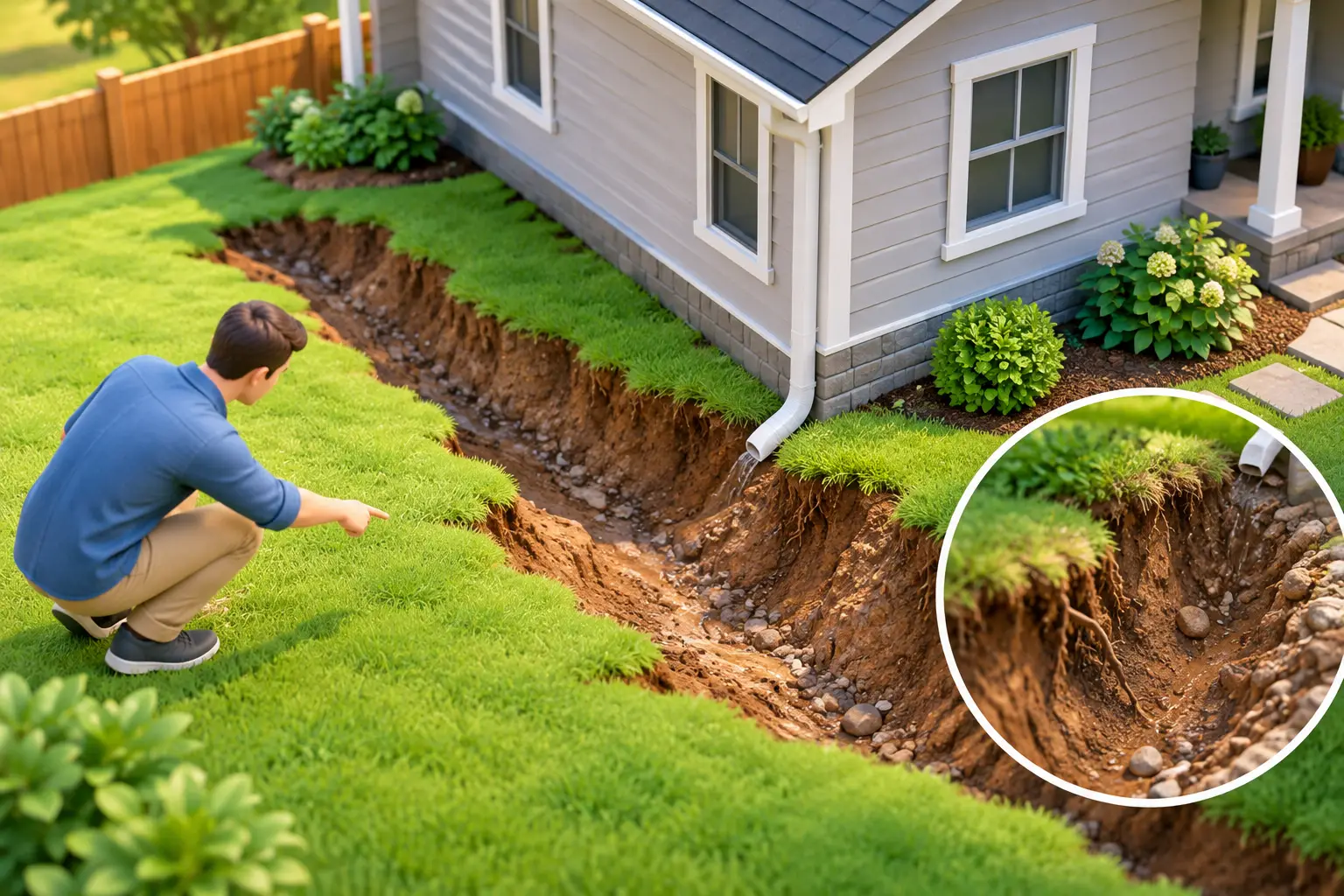
The most common cause is often above ground. Clogged gutters, short downspouts, poorly positioned discharge lines, or soil that slopes toward the house can send roof runoff straight into the foundation area. During a hard storm, that volume of water can overwhelm a basement wall that otherwise appears sound.
Correcting drainage may be the right first step when the leak is isolated and the foundation is stable. It is also one of the best ways to protect any waterproofing work performed inside or outside the home. A repair system works best when it is not forced to manage avoidable runoff.
Hydrostatic Pressure Below Grade
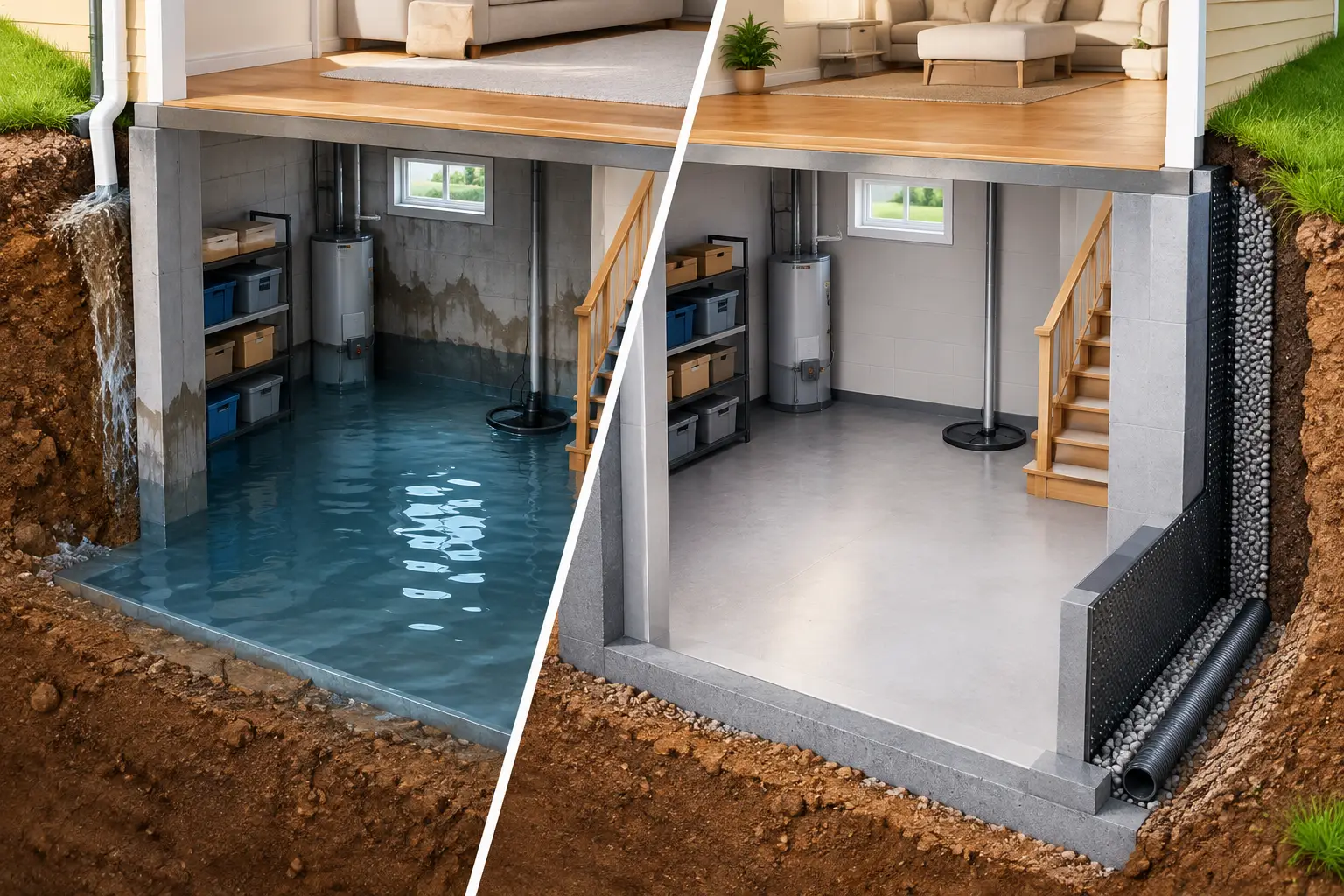
When surrounding soil absorbs water, it becomes heavier and places pressure on basement walls. Water then follows the path of least resistance. It may enter through a wall crack, a utility penetration, a cold joint, or the cove joint where the wall and slab meet.
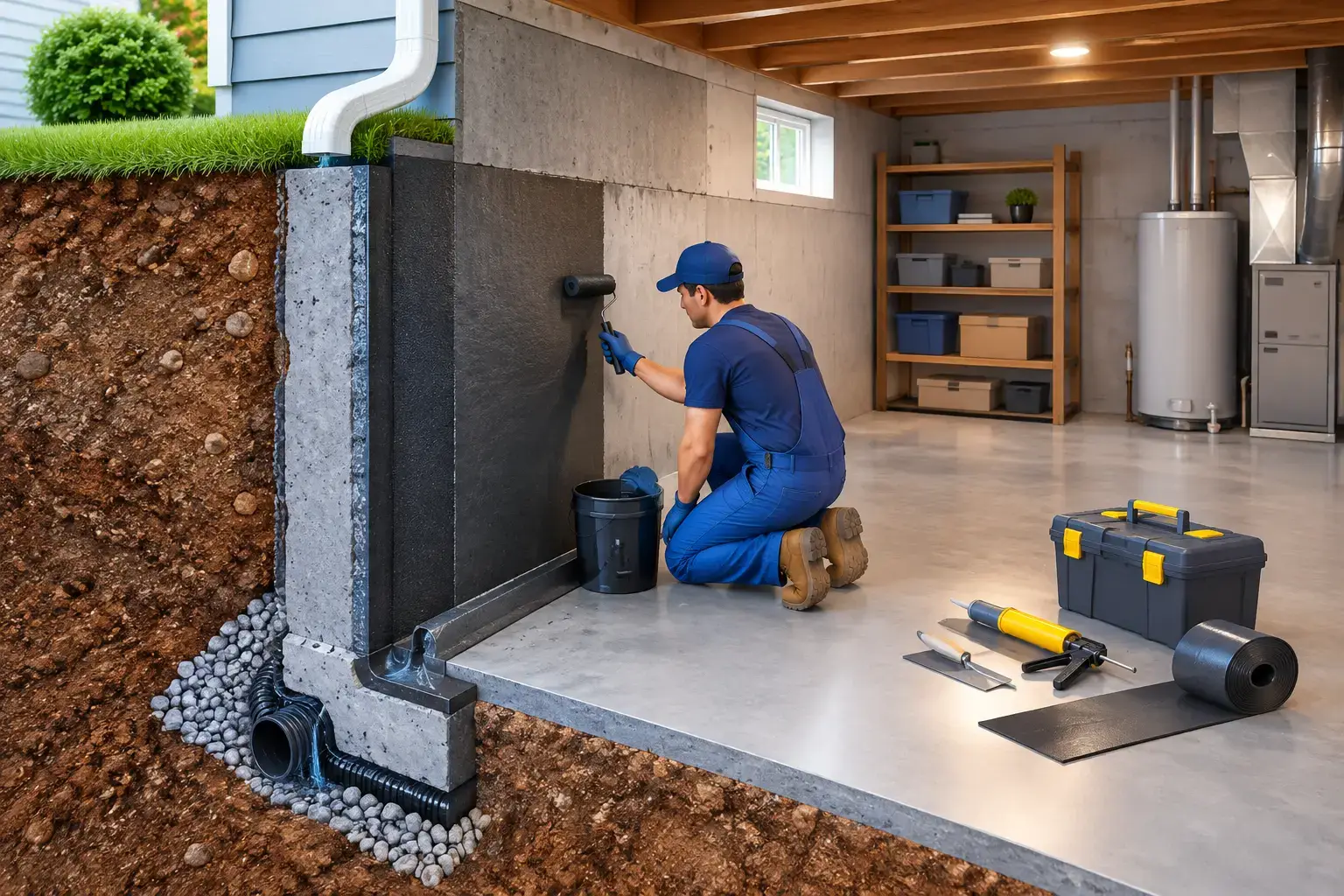
This is why simply applying sealant to the inside face of a wall can be a disappointing solution. The water pressure remains outside the foundation. A coating may hide staining temporarily, but it does not relieve pressure or control the water collecting around and beneath the home.
Foundation Cracks and Structural Movement
Not every foundation crack is a structural emergency, and not every basement leak means the foundation is failing. Still, the two can be connected. Settlement, expansive soil movement, and lateral pressure can create or enlarge openings that allow water inside.
Horizontal cracks, stair-step cracks in masonry, inward wall movement, and recurring leaks should be evaluated as more than a waterproofing issue. A lasting repair may require structural reinforcement along with water management. The right solution depends on what caused the movement, not just what the wall looks like on the day of inspection.
Basement Leak Repair Should Match the Cause
A permanent repair starts with an honest diagnosis. The goal is to identify where water is entering, what is driving it there, and whether the foundation has any related structural concerns. That assessment should include the interior leak pattern, exterior grading, roof drainage, foundation cracks, and the condition of the surrounding soil.
For some homes, targeted crack repair can stop a known water entry point. This approach can make sense when a crack is stable and the water source is otherwise controlled. For other homes, especially those with repeated water at the wall-floor joint or broad dampness after rain, an interior drainage system may be the more dependable answer.
An interior drainage system is designed to collect water before it reaches the basement floor and direct it to a proper discharge point. It is not a cosmetic cover-up. Installed correctly, it manages groundwater pressure at the perimeter and helps keep the basement dry during the conditions that previously caused leaks.
Exterior waterproofing and drainage improvements may be appropriate when access, site conditions, and the source of intrusion support that approach. Exterior work can address water before it reaches the wall, but it may involve excavation and is not necessary for every property. The best recommendation should account for your home’s layout, the severity of the issue, and the durability of the repair, not push a one-size-fits-all system.
What Not to Rely On
Homeowners often try to solve basement moisture quickly because the visible symptoms are stressful. A dehumidifier can improve comfort and help manage humidity, but it cannot stop groundwater from entering. Similarly, waterproof paint, caulk, and patch materials may have a limited role for minor surface issues, but they are rarely a complete answer to recurring seepage.
Be cautious about finishing a basement before the moisture issue is resolved. New drywall, flooring, and insulation can conceal ongoing leaks until mold, rot, or damage becomes more expensive to correct. Drying the area after each storm is not the same as fixing the water path.
The trade-off is straightforward: a low-cost patch may appear to save money now, but repeated water intrusion can affect framing, personal property, flooring, and resale confidence. A properly designed repair costs more upfront because it addresses the cause, but it is built to protect the home over the long term.
When to Schedule a Professional Inspection
Call for an evaluation when water returns after rain, a basement smells damp even when no puddles are visible, or cracks are accompanied by movement or staining. You should also seek help if water is reaching electrical equipment, finished rooms, or stored valuables. If a wall is bowing, visibly shifting, or developing widening horizontal cracks, do not delay.
A qualified inspection should give you clear answers, not pressure. You should understand what is causing the leak, whether structural repairs are needed, what the recommended system will do, and which maintenance steps will help protect the result. Foundation Works provides free, no-obligation inspections to help homeowners distinguish between a simple drainage correction and a repair that requires a more complete waterproofing or structural solution.
Protect the Basement Before the Next Storm
While you arrange an inspection, keep gutters clear, make sure downspouts discharge well away from the foundation, and avoid storing valuables directly on the basement floor. If water is active, move belongings away from the affected area and use caution around outlets, appliances, and electrical panels.
Your basement should not be the place where every heavy rain creates a new worry. A clear diagnosis and engineering-based repair plan can turn a recurring leak into a controlled, lasting solution that protects your home and the investment you have worked hard to build.